| View |
| preceded by | |
 Poland


| succeeded by |
| Poland | Link to Wikipedia |
Poland: History, Coinage and Collectibles
Historical Background
The nation known historically as the Polish-Lithuanian Commonwealth once stood at the very center of European influence for centuries. This geopolitical position dictated not only its borders but also the flow of precious metals across vast trade routes spanning from Venice to Moscow. For collectors, understanding that Poland was a nexus where Eastern and Western monetary traditions met is essential to appreciating the artifacts found in cabinets today.
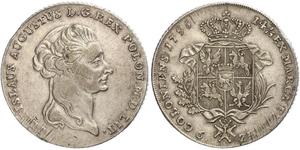
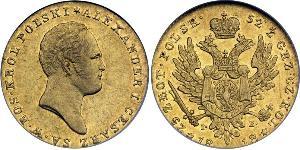
The early statehood evolved alongside powerful dynasties that prioritized stability over constant military conflict during their reigns of economic power. During the era often celebrated as its Golden Age, agriculture flourished on fertile plains while cities became bustling hubs for commerce and artistry. However, history dictates a tragic turn involving partition by neighbors in the late eighteenth century, which severed this monetary independence until modern restoration efforts. These historical periods shaped how money was perceived; during times of occupation or foreign rule, local coinage often bore imperial portraits while serving Polish economic needs.
This complex background explains why coins from various eras carry such weight among enthusiasts who study national identity through metal and stone imagery. The shift in sovereignty throughout the ages created a unique timeline where numismatic artifacts serve as silent witnesses to political transitions, preserving memory of kings, wars, and reconstruction without needing explicit dates or battles.
Currency and Coinage History
The journey of money within this region began with primitive markings before evolving into the complex gold and silver standards recognized in major capitals. Royal decrees established early forms of credit that were later minted as tangible assets. Initially, currency was produced by local lords or guilds acting under royal sanction to facilitate market transactions among merchants.
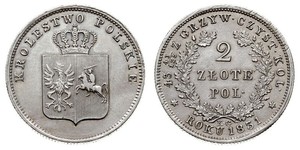
A pivotal moment occurred during the reigns when the standard shifted from regional marks towards internationally recognized gold florins and silver grosz coins adopted for trade efficiency. As commerce expanded into major maritime hubs like Danzig, these cities became crucial in refining coinage quality. Later reforms introduced a unified zloty system that simplified economic transactions across vast territories.
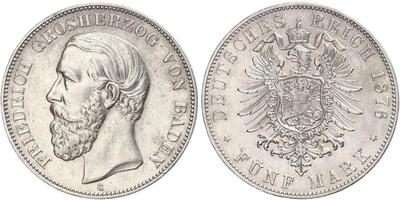
The role of the crown changed significantly after foreign partitions imposed their own monetary systems upon local lands without immediate cessation or resistance. Collectors today see this duality clearly: coins bearing French designs were used for trade, yet they carried Polish legends or denominations in some contexts before full restoration. This tension between sovereign currency and practical necessity adds layers of historical narrative that are absent from other national histories.
Mints and Coin Production
Artistry was paramount when coins left the press within historic mints located primarily within royal walled cities such as Kraków. These facilities employed master die engravers who balanced classical motifs with local heraldry to distinguish their work from foreign issues found in circulation.
Mint houses operated under strict supervision of treasury officials, ensuring that purity standards remained consistent despite economic fluctuations. When production ceased during periods of political turmoil or resumed after new governance took power, this transition left distinct marks on the coins struck by different regimes within the same geographic region.
- Die engraving styles varied based on artistic training and era
- Metal quality reflected mining availability in borderlands nearby
The shift from Gothic to Baroque design elements can be seen clearly as mints transitioned through centuries. Later technological advancements brought mechanization that simplified production but arguably lessened the distinctiveness of hand-struck issues available now.
Notable Coins
Several types stand out for their historical narrative or artistic merit rather than simple market value. Early silver florins issued in the seventeenth century are particularly cherished, often displaying intricate details around edges and on reverse shields that reflect royal family crests during different reigns.
A key period of interest lies within interwar independence issues where national motifs like the eagle were prominently displayed alongside scenes of historical sites such as Wawel Castle. These coins celebrate cultural heritage rather than modern political agendas, making them appealing for those seeking educational value over investment potential alone.
Later commemorative sets focus on themes related to history and geography rather than current government events or ideologies found in some other countries' programs. This approach allows collectors to build collections that serve as portable archives of national art and heritage without requiring extensive catalog data to understand their significance.
Cultural Legacy
The imagery etched into these coins reflects deep roots of religious faith, cultural identity, and historical resilience found within the society. Crosses appearing on reverse designs often reference significant pilgrimage sites or martyrdom events tied to local saints celebrated in churches across rural villages.
National symbols serve as markers connecting disparate generations who share a common past preserved through metal artifacts. The artistry employed by artists during peak periods ensures that these items remain visually striking today despite wear found on older examples from earlier centuries of production history described above.
For collectors
Possessing coins connected to this heritage offers an opportunity to connect with a rich past filled with artistic expression and complex historical narratives. Collectors appreciate the rarity associated with issues produced during times when resources were scarce, as well as the high quality found in earlier periods before industrialization.
Rare examples from partition eras or early restoration phases often carry significant value because of their scarcity combined with numismatic condition rather than mere age. By focusing on these items that preserve history through artistry and metallurgy standards established centuries ago, enthusiasts ensure the legacy continues to inspire curiosity without relying solely on modern political contexts.