| preceded by | ||||
|
||||

|
|||||||||
 Polish-Lithuanian Commonwealth (1569-1795)
|
|||||||||
|
|||||||||


| Polish-Lithuanian Commonwealth (1569-1795) | Link to Wikipedia |
Polish–Lithuanian Commonwealth: History, Coinage and Collectibles
Historical Background
To understand the metal in your hand is to walk through an era when Europe was remapped by diplomacy rather than just steel. The Polish-Lithuanian Commonwealth emerged as a unique entity in 1569, not merely by conquest but by treaty and marriage. It became what we would now call a federal republic under law, encompassing vast territories that bridged the Mediterranean trade routes to the Baltic Sea.
This union brought together the kingdoms of Poland and Lithuania into a single political structure governed by its own constitution. The economy was driven largely by agriculture, specifically grain production in Ukraine which fed Western Europe's growing populations. This wealth required stability in currency flows because merchants from Italy, Germany, France, and England traveled through these lands to purchase wheat and rye.
Culturally, the Commonwealth stood out for its vast borders that fostered a distinct synthesis of Slavic customs with German administrative practices and Western Renaissance art influences. Religious tolerance was often more practiced here than in neighboring European powers, though this did not always find perfect reflection on coinage due to political sensitivities.
The state's power relied heavily on the nobility, known as the *szlachta*, who held a significant say through parliament called the Sejm. This unique governance meant that while wealth was vast, control over mints and monetary policy shifted frequently depending on whether the monarchy or local lords held sway.
The decline of this republic began not with military defeat alone but with political paralysis known as *liberum veto*, which could block reforms needed to modernize currency systems against foreign competitors. By the time partitions dissolved it in 1795, its monetary sovereignty had been eroded for years prior due to reliance on hard German crowns and thalers.
Currency and Coinage History
The evolution of money within these lands was a reflection of shifting trade needs. In the early days following 1569, local currencies often varied by town or castle mint standards rather than being strictly regulated from one central authority. Silver deniers were common in everyday transactions for smaller goods like bread and beer.
Coinage history is most interesting when viewed through the lens of international trade requirements. For centuries to come during these times, silver thalers served as a standard unit across Europe because they contained consistent weight standards. Poland adapted by producing its own high-quality ducats that mirrored these German models but eventually added local artistic elements.
A major turning point came in the seventeenth century when mints needed to align output with international bullion prices. The crown sought to stop debasement—the practice of lowering metal content to fund armies—by enforcing stricter weights and purity levels on silver coins produced for export trade.
Copper coinage was used less frequently until later periods because copper had low intrinsic value relative to the high cost of maintaining mints during these early centuries. As grain merchants required reliable payment methods, the state pushed toward standardized bullion denominations that held their value in foreign ports without needing conversion at unfavorable rates.
Mints and Coin Production
The production centers for this monetary system were distributed throughout key economic hubs. Kraków remained a primary royal mint location due to its historical status as the seat of power until later transfers occurred. Vilnius served another important role because it represented the Lithuanian half, which had unique artistic traditions and needs.
- Krakow: The oldest established site, often serving imperial or royal decrees regarding weight standards for major denominations
- Vilnius: Produced regional coinage that sometimes carried specific Lithuanian symbols before integration became tighter under later kings.
- Gdańsk (Danzig): Though technically a free city, it influenced local money and acted as the export gateway for Polish silver
Coin engravers were often imported from Germany or Italy because high artistic skill was required to create portraits of kings that matched contemporary European fashion. The technology included striking dies in iron which would show signs of wear, leading collectors today to note differences between early crude strikes and later finer finishes.
Mint marks on these coins identify where the metal came from rather than just political authority. These small symbols were often subtle but essential for tracking debasement or quality control across vast networks of provincial production authorized by specific edicts that granted local lords permission to strike limited runs in exchange for royal approval.
Notable Coins
Certain pieces stand out from the sea of generic silver due to their historical weight and artistic merit. Collectors value these not just as objects but as records of state power shifting hands over decades.
- The Sigismund III Thaler:
- This was a high-quality imitation of German patterns minted during the golden age of the Vasa dynasty. It bears his portrait and features an eagle motif symbolizing royal majesty
- Silver content remained consistent for decades until debasement policies in mid-century affected production quality significantly.
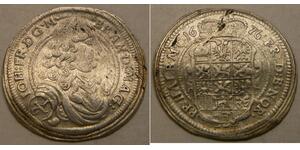
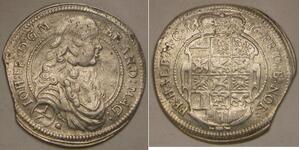
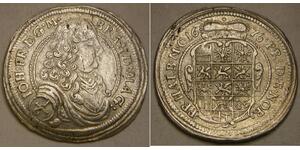
A second group includes denominations associated with John II Casimir or Sobieski following the victory at Vienna. The artistic depiction of horses on some later issues highlights cultural pride without overtly political propaganda that would offend diverse religious groups within territory.
Lithuanian variations sometimes feature a horseman emblem known as Pogoń representing Lithuanian identity alongside Polish symbols, which offers fascinating insights into the delicate balance between two identities in one state. These dual-sided pieces often require close inspection to distinguish between purely local issues versus those intended for wider commercial circulation.
Late period coins from Stanisław Augustus show a final attempt at reform before partitions took place by aligning with French standards of coinage that dominated the continent after 1795. These are historically significant because they mark the very end of independent monetary autonomy in these lands which ceased as political borders changed.
Cultural Legacy
The imagery found on metal from this era tells a story far greater than simple dates and weights allow us to see today. The repeated appearance of white eagles symbolizes enduring statehood that survived centuries despite internal strife or external invasions which eventually led up until 1795.
- The coinage preserved religious tolerance through avoidance of controversial imagery
- Royal portraits were often idealized, reflecting a monarchy seeking divine right even in elective monarchies
- Mint marks showed regional identity despite political centralization efforts by kings over time.
The coins also reflect the social hierarchy because different denominations circulated among nobility versus commoners who relied on smaller copper tokens. While noble families often commissioned private minting as a symbol of status, these pieces are less collectible in modern times due to lack of regulation and consistent quality standards compared to official state issues.
The enduring legacy is the connection between grain wealth flowing westward requiring silver for payment that eventually funded armies or public works during peaceful years. The design evolution from simple religious crosses on early deniers to complex portraits under later rulers demonstrates how art history traveled through trade routes connecting these lands with global markets.
For collectors
The Polish-Lithuanian Commonwealth offers an opportunity for serious numismatists seeking stories beyond major imperial dynasties. The condition rarity of early silver often surpasses common dates in other European nations because mints were fewer and production runs smaller during the first two centuries.
You might find pieces that show how monetary systems adapted to global trade patterns when grain prices spiked or war broke out elsewhere affecting value retention in local currencies for long periods. Understanding these contexts helps buyers decide if an object is a curiosity of history or essential component of their collection strategy based on themes they care about.
The condition and variety matter greatly because even minor differences between mint marks can indicate major changes in policy that shaped the fate of millions living under this system at any given point. Studying these objects provides insight into how nations build wealth through agriculture while maintaining political sovereignty over trade standards against powerful foreign neighbors who often sought to undermine local currency for profit.