| View |


|
|||||||||||
 Kingdom of Prussia (1701-1918)
|
|||||||||||
|
|||||||||||


| succeeded by | ||||
|

| Kingdom of Prussia (1701-1918) | Link to Wikipedia |
Kingdom of Prussia: History, Coinage and Collectibles
Welcome to our gallery where we explore the legacy of a power that shaped modern Europe through its administration, culture, and economy. The story of coinage is not merely about metal content or value; it is an art form frozen in time by royal decree. This collection focuses on the Kingdom of Prussia, examining how these tokens of state authority reflect the broader historical arc from the Thirty Years' War to the industrial age.
Historical Background
The narrative of this kingdom begins with a small territory along the Oder River in 1607. Over three centuries, it transformed into one of the most powerful monarchies on earth through a unique combination of military rigor and bureaucratic efficiency. Collectors often look at Prussia solely as Germany's predecessor, yet the state possessed an independent personality during its existence that profoundly influenced German history.
The historical trajectory was marked by three major phases: consolidation under Frederick William I, expansion under his son Frederick II, and modernization in the 19th century. During these periods, the administration of vast territories required a stable monetary system to support internal trade with Silesia, Pomerania, East Prussia, and Poland (as part of the crown lands). When King Friedrich Wilhelm I took power, he emphasized order over luxury. This cultural shift affected coinage quality significantly, demanding precise weight standards that became renowned throughout Europe.
Under Frederick II, known as "the Great," the focus shifted toward economic liberty to boost trade. He encouraged commerce and sought better relations with France and Britain, which necessitated a currency standard compatible with international exchange rates rather than just local barter needs. As Prussia annexed territories like Silesia through diplomatic maneuvering and conflict in the early eighteenth century, integrating these regions into the royal economy required careful management of existing money supplies to prevent inflation or trade paralysis.
The 19th century brought significant challenges regarding national unity across German-speaking lands. Economic policy changed from state-controlled mints toward a unified monetary system for all of Germany under Prussian leadership during and after unification discussions. For the collector, understanding this administrative evolution explains why certain coin issues exist only in specific territories before becoming uniform.
Currency and Coinage History
The financial ecosystem began long before the kingdom was officially formed by electors minting silver thalers based on international standards of purity. Early coins circulated alongside those issued under Swedish control, reflecting shifting borders rather than clear legal authority. As Prussia grew in power, it needed to assert monetary sovereignty over regions that previously operated with distinct regional currencies.
A pivotal reform occurred during the eighteenth century when Frederick II standardized weight and fineness across different principalities to facilitate cross-border travel and trade for his subjects and merchants alike. Silver remained the primary medium of exchange because gold was scarce in this northern region compared to southern Italy or France. The thaler became a symbol of Prussian economic might, used widely not just within German lands but throughout Northern Europe.
The currency system evolved through significant legislative acts that governed how much silver went into every piece struck at the Berlin mint and provincial facilities. In 1760s reforms, Frederick II attempted to increase production quality while reducing state expenses for war financing. While this improved the reputation of Prussian coinage in foreign markets, domestic circulation sometimes suffered from hoarding or melting down due to higher market silver prices than face value.
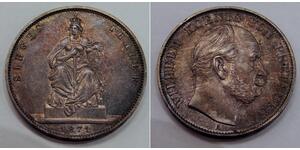
Towards the end of the kingdom's independence status during 1870 and 1873, gold coins were introduced alongside paper banknotes. These late-period issues marked a transition toward international monetary standards where Prussia would eventually lead the formation of currency zones that became German marks later on.
Mints and Coin Production
The capital mint in Berlin served as the central hub for all royal production, employing master die engravers to create profiles adorned with laurel wreaths or imperial eagles. The quality control at Berlin was rigorous; dies were inspected for flaws before large batches struck thousands of pieces per day. Other important facilities included Königsberg and Potsdam, where regional silver bullion was often refined directly into circulation currency.
The minting traditions here blended northern Germanic designs with broader European classical styles adopted during the Enlightenment period under Frederick II. Artistic characteristics distinguish these issues from other contemporary monarchies; Prussian coinage avoided elaborate allegorical figures common in French or English coinages, favoring realistic busts and heraldry instead.
The technology shifted gradually as new minting machines replaced manual strikes to improve speed without compromising quality standards for the crown. Collectors should note that early nineteenth-century pieces often show sharper details due to traditional hand-hammered techniques before mass production fully took hold later in the century under industrial pressures.
Notable Coins
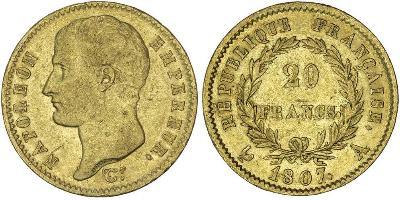
The most historically significant types include silver thalers struck with portraits of Frederick II. These are considered classics among collectors because they display excellent artistic design and carry immense cultural resonance from his era as a philosopher-king who championed intellectual freedom in the arts.
- Frederick I Gold Coins: Early issues often feature crowned shields or heraldic symbols representing Silesia. These demonstrate the region's integration into wider European economic circles through high-value gold currency used for large transactions and royal payments.
The transition to paper notes alongside silver during later periods of the nineteenth century introduced new designs featuring allegorical images related to industry, commerce, or agriculture—topics relevant even today as modern collectors look at how ancient money depicted daily life activities through art. During 1870s unification discussions, coins struck under Prussian authority often featured mixed symbolism showing both royal eagles and federal elements.
A particularly sought-after category involves the early issues minted during times of war disruption when alternative currencies had to fill void left by interrupted production lines due to foreign blockades or military occupation. These wartime pieces carry unique historical context regarding how states managed internal economics under duress from international conflict pressures over their borders.
Cultural Legacy
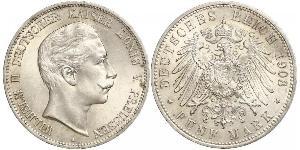
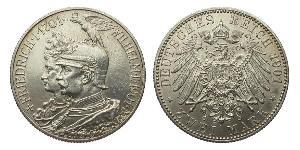
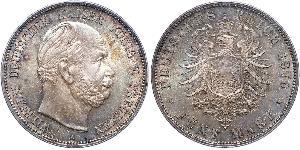
The coinage serves as a physical manifestation of Prussian state identity, blending religious iconography with symbols of secular authority over time. The double-headed eagle on the obverse represents sovereignty and imperial ambitions shared across German territories before full unification in modern history.
Economic prosperity reflected on these coins through consistent weight standards that maintained public trust during times when many European states were experimenting with debasement or inflationary policies after wars of succession. The cultural legacy lies not only in what the coin depicted but also in why it circulated—the state's reputation for stability made this currency desirable and widely accepted.
The imagery on these coins evolved to reflect changing societal values, moving from religious themes under devout rulers toward industrial symbols representing progress as factories rose across Westphalia or Saxony. This shift mirrors broader cultural changes within the kingdom itself as it moved away towards national identity formation in late monarchy years before becoming a major power.
For collectors
The numismatic heritage of this state remains important because it represents one of history's great administrative experiments that modernized Europe. The coins provide tangible links to how commerce and governance functioned over centuries, bridging the gap between early feudal economies toward industrial capitalism.
- Rarity:
Avoiding technical catalog details is key here; value comes from context rather than simple condition grading. Original pieces with strong patinas that show original mint luster hold higher aesthetic appeal for serious connoisseurs studying monetary history without focusing solely on investment grade metrics.
This kingdom offers a unique opportunity to examine how national borders and economic zones shifted over three centuries through the lens of metal money collected from mints across what is now Western Europe. Understanding these items helps collectors appreciate their place in global trade networks that defined international relations during critical times when empires rose or fell.