| View |
| preceded by | |
|
|||||||||
 County of Arenberg (1549 - 1810)
|
|||||||||


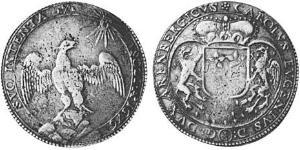
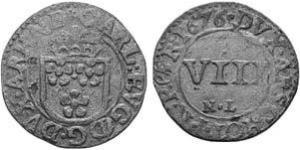
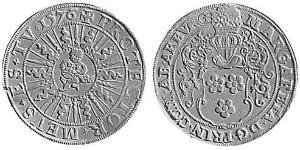
| County of Arenberg (1549 - 1810) | Link to Wikipedia |
Arenberg: History, Coinage and Collectibles
Historical Background
The story of Arenberg begins not with a grand proclamation but with centuries of noble stewardship in the fertile valleys between modern Belgium and France. This region was once known for its bustling trade routes where wool from England met cloth woven in Flanders, flowing toward markets as far away as Italy and Spain. The House of Arenberg emerged during this vibrant era as stewards of vast lands that fluctuated under different imperial powers over the centuries. For coin collectors seeking historical narrative, understanding these territories requires a look beyond simple borders to see how economic vitality was managed within the Holy Roman Empire.
Throughout the medieval period and into the early modern age, Arenberg served as a crucial link between local lords and the central monarchies of Europe. The family's domains were strategically located along major waterways that fueled commerce for generations. As political tides shifted from Burgundian rule to Habsburg dominion, the economic policies of these neighboring states dictated how money moved through their lands. This era saw a period where local autonomy was gradually surrendered in exchange for protection and integration into broader European trade networks.
The significance of this house lies largely in its position within the complex feudal hierarchy that defined pre-modern Europe. As the political map evolved, Arenberg transitioned from semi-independent rulers to high-ranking nobility holding titles such as count or baron within larger entities like Artois and Hainault. Their role was often one of administration rather than sovereignty over a sovereign state in the modern sense. For history enthusiasts, this offers an intriguing lesson on how power flowed through networks of loyalty and land tenure rather than just maps and borders.
Currency and Coinage History
Money is perhaps the most enduring record of human interaction with economy and culture over centuries. In Arenberg's region, coin circulation was heavily influenced by broader monetary standards set in Brussels or Antwerp under Burgundian kingship before Spanish rule took hold during the sixteenth century.
The history of coinage here reflects a fascinating transition from purely feudal dues to standardized currency for long-distance trade. Initially, coins were struck with local variations dictated by specific rulers who held minting rights within their domains over time. This meant that while denominations and silver content might remain similar across the region, designs could vary significantly based on which family member or monarch currently authorized production.
During periods of integration into larger empires such as Spain under Habsburg rule, local seigniorage rights were often delegated back to trusted nobility for specific purposes like funding taxes. This allowed for the creation of tokens and smaller denominations that bore family crests rather than just royal imagery. These coins served not only commercial needs but also fiscal responsibilities for maintaining castles or infrastructure projects vital to their territories.
Mints and Coin Production
The production of currency in this region was a collaborative effort between local workshops and imperial standards. The artistic characteristics found on these pieces often betray the high aesthetic values prevalent during the Burgundian Renaissance, which placed great emphasis on intricate detail even on humble denominations.
Technological advancements played a significant role in shaping how money looked over time. Early punches used to stamp coins were labor-intensive and required immense skill from artisans who trained for years just to operate heavy hammers foundries safely across generations of family workshops. This tradition ensured that the metalwork produced was sturdy enough withstanding repeated circulation by merchants traveling between ports.
Over several centuries, these minting traditions shifted as artistic styles evolved under Habsburg patronage. By the seventeenth century, designs became more uniform and functional due to administrative streamlining across vast empires. Yet even amidst this standardization, collectors can find subtle differences in die quality or metal purity that hint at specific production centers active during a noble's tenure.
Notable Coins
A few types of pieces stand out when examining the legacy associated with these historical families. First are commemorative medals celebrating marriages between nobility, which often feature elaborate imagery representing both sides joined in matrimony alongside religious symbols relevant to their faith and family heritage.
Tokens bearing local town seals or arms granted by sovereign authority serve another vital category of collectible interest. These were used strictly within specific markets rather than for national currency purposes today but held significant face value locally then due to the trust placed in them by guilds.
Finally, high-value coins struck under royal mandate but circulated widely through Arenberg territories provide a window into how wealth was distributed across class lines during this era. For collectors seeking historical context without necessarily needing rare metals at all times today, finding these pieces allows access to understanding daily life alongside aristocratic influence that shaped the economy over many centuries.
Cultural Legacy
Collecting numismatics from regions like Arenberg provides a unique perspective on how culture and economics intertwined. The imagery stamped into metal often reflected local piety, where patron saints appeared prominently to bless those using currency daily or to remind officials of the divine right they held under monarchs abroad.
Cultural symbols were not static; they adapted based on prevailing political winds as dynasties fell and new ones rose through marriage alliances. Heraldic motifs found on coins helped identify family lineage even when borders changed frequently during periods of war between France, Spain or other kingdoms fighting for dominance over these European lands earlier.
For collectors
The enduring value associated with Arenberg pieces lies in their historical significance rather than purely market rarity metrics. They tell a story about the evolution from feudal dues to modern taxation systems while preserving fragments of artistic expression tied directly into noble house history across centuries.
- Arenberg coins and medals offer tangible proof of how trade routes were protected by nobility throughout medieval times
- These artifacts connect collectors directly with broader economic forces shaping Europe before the nineteenth century
- Understanding these pieces enriches appreciation for regional art styles that defined a whole period in numismatic design history