| View |
| preceded by | |
 Lithuania
|
||||||||||
|


| succeeded by |
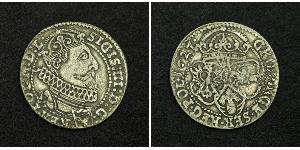
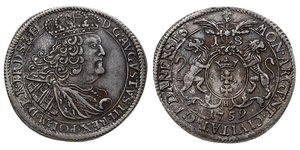
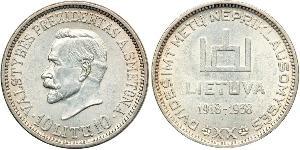
| Lithuania | Link to Wikipedia |
Lithuania: History, Coinage and Collectibles
Welcome to the Baltic coast, where ancient myths intertwine with modern reality through metal. The story of Lithuania is written in stone, but it is also preserved in silver and gold minted for centuries across its shores. For collectors and historians alike, Lithuanian currency offers a unique window into how a small nation built from diverse tribes evolved into one of Europe's most culturally resilient states.
Historical Background
To understand the coins of Lithuania, we must first journey back to their very origins. Long before empires rose and fell on this continent, the land between the Neman and Nemunas rivers was inhabited by Baltic tribes dating back ten thousand years. These early settlers were hunter-gatherers whose trade networks extended through the famous Amber Road. While coins were rare in these tribal societies, precious amber beads served as currency for international exchange.
The pivotal moment of national identity arrived with King Mindaugas. His coronation in 1253 did not just unify tribes; it aligned Lithuania with Western Christendom and trade networks across Europe. This political shift necessitated the introduction of coinage to facilitate commerce between Vilnius, Kaunas, and trading partners like Teutonic Germany and Poland. Following this consolidation, the territory expanded significantly under the Grand Duchy, at times encompassing vast swathes of East Slavic lands.
The narrative grows more complex during the Polish-Lithuanian Commonwealth period (formed in 1569). Under a shared monarch with its southern neighbor to Poland, economic policies and coinage often reflected a union. The grand duchy became one of Europe's largest states by area, but political fragmentation eventually dismantled these unions between the late 18th century and World War I.
The modern state was born from struggle: declared independent in 1918 after WWI, occupied during WWII, briefly restored to Soviet control in 1940-1950s before being reannexed. The final chapter of its ancient sovereignty began on March 11th, 1990—a year prior to the USSR's formal dissolution—marking a new era where coinage became an instrument of freedom and national restoration.
Currency and Coinage History
The monetary evolution in this region reflects its geopolitical struggles. In medieval times, local mints struggled against larger foreign powers that often issued currency accepted throughout the Commonwealth territories. During these eras, minting traditions were heavily influenced by neighbors; Polish silver ducats circulated widely, but distinct Lithuanian issues occasionally appeared as a statement of identity.
The 19th century brought industrialization and standardization across Europe. When Lithuania sought its path back to independence in the late 20th century, one of the nation's first acts was restoring full monetary sovereignty after decades of Soviet rubles being printed outside their borders (specifically within Kaliningrad Oblast). The re-establishment of independent minting power immediately following restoration highlights a powerful symbol: reclaiming not just land, but economic identity.
This transition is crucial for collectors. There are fascinating issues from the early 1990s where coins were minted with high relief to compensate for lower metal grades or limited mintage capabilities in a newly independent state struggling against inflation and recovery. The stabilization of these economies later led to membership in Eurozone, but prior to that era represented significant numismatic milestones: specifically when Lithuanian coinage moved from forced currency (rubles) back to TLT (Lithuanian Litas), culminating eventually in the adoption of common European euro designs with local cultural distinctiveness.
Mints and Coin Production
Vilnius stands as a primary character in this story. As an ancient capital, it naturally became the site for royal minting operations during various historical periods when Lithuanian rule was consolidated or recognized by larger powers. However, history took a dramatic turn with World War II.
During the early 20th century and specifically during the occupation era (1940s-50s), mintage capabilities shifted geographically away from Vilnius due to conflict. The focus moved toward production centers in other territories or under strict oversight by occupying forces, meaning any coinage produced bears historical markers of those times—often lacking national imagery until sovereignty was fully restored.
In the post-1980s era and into modern times, production capabilities were re-established to serve both commercial circulation needs and commemorative issues. The artistic characteristics of these later coins often feature high relief embossing and detailed engravings that pay homage to national heritage: traditional folk patterns found in woodblock art or the iconic architecture of the capital.
Notable Coins
For collectors seeking historical depth rather than just catalog numbers, specific motifs offer significant educational value. In medieval periods under Mindaugas and subsequent Gediminids rulers, coin designs reflected a transition from tribal symbols to Christian iconography—seals that were often royal or ecclesiastical in nature.
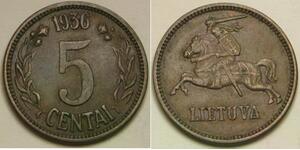
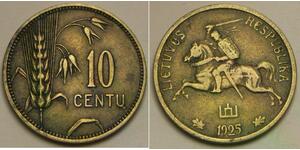
The Commonwealth era coins are highly valued for their artistic merit; they display high-quality relief work featuring the double-headed eagle (shared with Poland) and Latin inscriptions like "POLONIA LITHVANIA." Later, during periods of national struggle after 1940s occupation or in independence-era issues before euro adoption, specific commemorative pieces often featured imagery related to ancient fortresses, historic ships that traveled amber-laden rivers, or the Grand Duke's crown.
In modern independent mintage (post-20th century), collectors are particularly interested in transitional series. These issues served as a visual bridge between Soviet aesthetics and new national symbols featuring flora such as oak leaves—representing strength—or native fauna like bison or stags. The 5-litas silver commemorative pieces minted during this era represent the first independent coins to be struck after re-establishment, often with distinct high-relief artistic designs that are rare in standard circulation but highly prized.
Cultural Legacy
The coinage of Lithuania serves as a testament to national identity and survival. Small nations have historically been absorbed by larger powers; consequently, their numismatic legacy is defined by the struggle for sovereignty rather than mere abundance or empire-building. The designs on these coins—shifting from Russian ruble typography back to Lithuanian folk art motifs and eventually into Eurozone integration while retaining specific cultural themes—are a story of resilience.
Museum pieces often showcase high-relief silver issues that reflect the artistic renaissance which occurred after 1980s independence. These works emphasize national pride without relying solely on modern technology, preserving ancient symbols in metal. The coinage thus acts as portable art history—a tangible link to centuries where a small state navigated complex relationships with Rome, Constantinople, Moscow, and Berlin.
For collectors
Lithuania remains an exciting area of study because the historical record is deeply tied to specific eras: ancient amber trade (early currency concepts), medieval Christian coronations, Commonwealth political unions under Poland-Lithuania rule, early independence struggles in 1904-1918 post-WWI battles and WW2 occupation history.
The modern Eurozone membership has created new opportunities for acquiring high-quality commemorative coinages. These series often feature unique engravings depicting local culture: the traditional Samogitia landscape, historic castles like Trakai, or iconic birds such as the nightingale found on their stamps and currency design.
A collection of Lithuanian history is not merely an accumulation of metal; it represents a chapter in European unification from medieval tribal confederacies to modern democratic nations. Each piece carries its own story—whether representing ancient royal power, wartime hardship during Soviet annexation (1940s), or the triumphant restoration of independence—and they serve as essential artifacts for those studying both history and numismatics alike.