| View |
| preceded by | ||||||||
|
||||||||


|
|||||||||
 Habsburg Empire (1526-1804)
|
|||||||||


| succeeded by | ||||
|

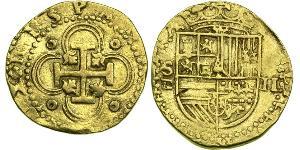
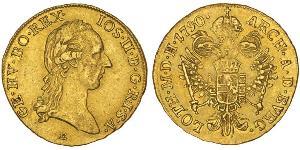
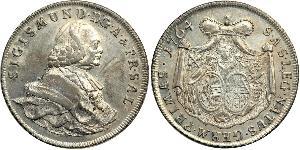
| Habsburg Empire (1526-1804) | Link to Wikipedia |
Habsburg Monarchy: History, Coinage and Collectibles
Historical Background
The Habsburg Monarchy stands as one of the most complex yet fascinating political entities in European history, functioning less like a modern nation-state and more as a tapestry woven from diverse cultures. From its consolidation in Central Europe to its dissolution after World War I, this monarchy defined an era where art, faith, and commerce intersected deeply. For centuries, Vienna served not only as the seat of power but also as a financial nerve center connecting Italy with Germany via Hungary and Bohemia. The capital city became a stage for grand architectural projects that echoed in stone across the empire, from St. Stephen's Basilica to Schönbrunn Palace.
Trade was the lifeblood of this economic superstructure. Merchants on horseback carried goods along major trade arteries like the Danube and the Silk Road routes established under predecessors, funneling wealth through imperial ports in Trieste and Fiume. This position allowed the dynasty to amass vast treasures but also created a dependency on global markets that shaped their coinage standards.
The culture of the realm was defined by a delicate synthesis of Latin traditions with Teutonic military discipline and Slavic resilience. Under rulers like Maria Theresa, who sought administrative reform across her scattered possessions, education became widespread among the ruling class in Vienna, creating an intellectual hub that attracted scholars from London to St Petersburg.
This era also saw significant religious tolerance debates influencing lawmaking within the empire's borders as Protestantism coexisted with Catholic dogmas. The shift toward constitutional monarchy later in its history prepared the populace for change while maintaining stability against neighboring rivals like Prussia and France, preserving Vienna’s status even when territorial ambitions waned.
Currency and Coinage History
The financial evolution of this state mirrors a transition from feudal dues to modern banking systems. Initially, coins were minted in local mints without strict standardization across all territories; however, as commerce expanded with the Ottoman Empire during the sixteenth century, there was pressure to align standards for easier trade.
A pivotal moment occurred when the gold ducat became a widely accepted medium throughout international markets. The value of these precious metal coins helped stabilize prices against inflation caused by silver debasement common in later centuries as bullion supply increased from American mines and Spanish America via direct maritime routes to Venetian ports.
Silver played an equally vital role, circulating within local economies where peasants sold grain and artisans bought tools. During the early nineteenth century, the state shifted toward a decimal system alongside traditional gold coinage which remained popular for large transactions across borders. This dual structure was typical of major empires during this period.
The introduction of paper currency began quietly in government offices within Vienna while older copper pennies continued to be used strictly among local workers until industrialization allowed factories to pay wages via bank notes instead of carrying heavy bags of silver or copper pieces across the city.
Mints and Coin Production
The production center for most valuable coinage remained located in Vienna, where craftsmen guarded techniques passed down through generations. The mint buildings housed complex machinery developed specifically to stamp gold bullion into uniform discs with high precision required by international traders who demanded consistency.
Different artistic styles emerged at various points throughout the history of this realm reflecting broader trends within Europe that moved from Baroque opulence toward neoclassical restraint during the reign of Joseph II and finally secularized imagery in later years. Each design represented a political statement made possible by skilled artisans working under imperial patronage.
Silver coins struck at secondary centers such as Linz or Bratislava carried slightly different weights depending on local demand while maintaining visual similarity to gold standards set out from the main capital workshop. This network ensured that travelers could recognize official currency regardless of which province they were passing through during long journeys undertaken across mountain passes and river barges.
Notable Coins
- The Gold Dukat known as the Austrian Lion serves perhaps as one of most recognizable symbols of wealth within this system. Featuring a crowned lion on obverse, it represented absolute power in gold currency standards widely accepted across Europe for centuries. Collectors prize these pieces not merely because they contain precious metal but due to their rarity and historical significance during trade with India.
- Silver Thaler denominations appear frequently found among many collections today representing the silver dollar equivalent used throughout commerce before modernization brought about decimalized systems in late nineteenth century reforms replacing older florins which held higher face value than smaller fractions minted for change transactions within cities like Prague or Graz. These coins often bore images depicting historical battles commemorated by state decree during celebrations involving rulers themselves.
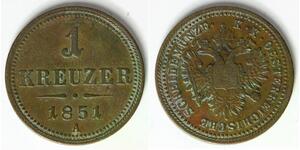
- Late period copper pieces depict portraits of monarchs seated with crown atop head, emphasizing lineage and continuity between generations that ruled over various parts world including regions in Southeast Europe under Turkish occupation prior to liberation movements triggered later decades when nationalism surged across Balkans affecting final dissolution phase following conflict aftermath leading up 1920. While small, they document everyday life.
Cultural Legacy
The coinage of this dynasty serves as a mirror reflecting the values held dear by its leaders including piety expressed through religious imagery stamped on every silver piece alongside military might denoted by eagles representing imperial power. These symbols were carefully chosen to instill loyalty among diverse subjects who spoke different languages but shared faith in divine right.
Inscriptions often written in Latin or Germanic scripts marked these artifacts as belonging directly under protection of Holy Roman traditions even when political boundaries fluctuated widely over centuries spanning many borders stretching from Atlantic coast toward Ottoman frontier. Such iconography survives today within museums preserving art history while also serving educational purposes for students studying diplomatic relations between great powers.
The intricate designs used in engravings on these objects influenced painting styles found locally during golden age when artists like Canova and Hayez produced works displaying similar attention to detail seen in coin strikes. Thus numismatics becomes intertwined directly with broader artistic movements occurring contemporaneously across continent.
For collectors
The enduring appeal of this collection lies not only because it provides tangible connection past events but also due to scarcity created by historical conflicts interrupting continuous mintage runs during critical times. Many pieces hold value today simply because they survived wars which destroyed entire archives and records within administrative offices once located inside central bank vaults before destruction occurred.
Diversification allows enthusiasts interested solely in history or those seeking investment opportunities alike to appreciate variety found between regional variants struck under single reign versus national reforms implemented after major geopolitical shifts altered borders significantly over decades. This diversity makes it an excellent choice for expanding portfolio collections beyond typical European states by incorporating multi-national numismatic heritage rooted firmly within Austro-Hungarian legacy before breakup following global conflagration.