| View |
| preceded by | |
|
|||||||||
 Principality of Transylvania (1571-1711)
|
|||||||||


| succeeded by | ||||
|

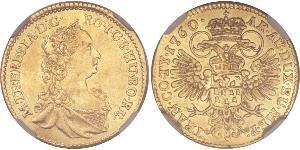
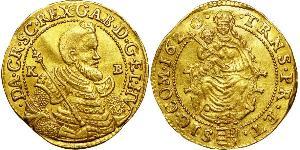
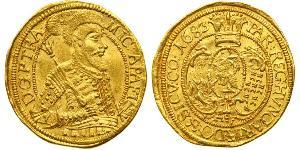
| Principality of Transylvania (1571-1711) | Link to Wikipedia |
Principality of Transylvania: History, Coinage and Collectibles
Welcome to this exploration of one of history's most fascinating crossroads in Central Europe. Today we gather here at HobbyRay not merely as dealers or catalogers, but as custodians of memory. Our focus is the Principality of Transylvania, specifically during its distinctive era spanning from 1570 until 1711. This was a time when the region stood between empires—between the rising Ottoman pressure in the east and the Habsburg influence to the north—and it left an indelible mark on numismatics that collectors still prize today.
To truly appreciate what lies within your collection, you must first understand how this land breathed during these centuries. It was not merely a borderland but a melting pot of cultures where German merchants met with Vlach shepherds and Hungarian nobility in the same market square. Understanding that social tapestry allows us to decipher why certain silver pieces were struck while others remained minted only for circulation among neighbors.
Historical Background
The political landscape of Transylvania was unique, functioning as a semi-autonomous buffer state under the broader suzerainty of various powers. This geopolitical reality had direct consequences on its economy and treasury. While often overshadowed by larger imperial histories from Vienna or Istanbul, Transylvania possessed its own administrative sovereignty that allowed it to manage its finances independently during specific reigns.
This autonomy was not just about land; it was a matter of money. Trade routes running north-south through the Carpathians meant this territory required a currency stable enough for commerce but distinct enough for regional pride. The region's history is marked by a constant balancing act between maintaining local independence and securing recognition from major powers like Poland-Lithuania or Habsburg Austria.
Economic Drivers
- The agricultural output of the plains supported urban centers that demanded currency standards for grain trade.
- Mining activities in the foothills provided the raw silver necessary to mint coins locally rather than importing bullion from abroad, which was often expensive or scarce during wartime blockades.
Currency and Coinage History
The story of money here is one of evolution. Initially, much like many frontier regions in the 16th century, local merchants relied on silver coins brought from Venice via Hungary to pay taxes or purchase goods. However, by the latter part of this specific period, it became possible for sovereign rulers within Transylvania to authorize their own coinage.
The most significant developments occurred when princes were granted rights to strike currency that was accepted throughout Europe at face value. Previously, local production might have been limited to small copper coins or low-quality silver intended only for regional use. The shift toward high-value standards allowed the Principality to participate fully in international trade.
The Shift Toward Silver Standards
- This period is defined by a move away from mixed metal systems towards standardized silver pieces, often modeled on Spanish Thalers or Bohemian Groschen types but stamped with local heraldry.
- Coinage became more than just tax receipts; it was the primary means of state revenue collection for defense and administration. To mint money effectively meant one had control over territory sufficient to guarantee its intrinsic metal value, proving sovereignty to neighbors and foreign merchants alike.
Mints and Coin Production
A keen collector will recognize that Transylvania's mints were scattered strategically. Unlike the centralized mint houses of Vienna or Prague during this era, Transylvanian production relied on several regional centers where technology was adapted to local conditions.
The Szeben and Braşov Centers
- In many cases, these facilities were not always modern state mints. They operated as guild workshops that produced coins under imperial license or by specific royal decree during times of autonomy.
- Coiners used local bullion but often imitated designs from neighboring regions to ensure acceptance in wider trade networks. You may notice subtle variations in the die cuts where a mintmaster chose to highlight traditional elements rather than adopting foreign styles entirely.
Notable Coins
If you walk through an auction house or examine your own case, look for certain patterns that stand out from ordinary circulation pieces. These are the gems of this era’s numismatic history.
- The Sovereign Thaler Issues:
- Bronze and Copper Tokens:
- Cultural Symbols:
Cultural Legacy
The coinage reflects much more than just economic stability; it is an archive of what was valued at that time. The choice to include religious symbols on silver meant that faith was as important a pillar of the economy as trade itself.
A Bridge Between Civilizations:
For Collectors
You might ask why this particular era and region remain valuable for the numismatic enthusiast today. It is because these coins are rarely found in circulation due to age, meaning that almost every preserved piece represents a historical artifact from centuries past rather than common change.
- Rarity and History:Possessing a coin minted here allows you to hold history of the borderlands. Unlike many other regions where coinage is heavily centralized, Transylvanian pieces often carry unique variations that are fascinating to study under magnification or good lighting.
The Value Beyond Price
- The most valuable aspect for any buyer is provenance. A piece with a story from the collection of a family in Sebeș carries more weight than an anonymous generic type, as it connects you directly to local communities that once used this money.
- Diverse Styles:You will find designs ranging from simple heraldic shields on copper pieces to intricate portraits and legends on silver coins. This diversity ensures there is something in every budget for those who wish to build a comprehensive collection focused on regional statehood rather than just imperial power dynamics.
The Principality of Transylvania stands as a testament to what can be achieved when local identity meets international trade demands through currency. The coins minted here tell the story of resilience, cultural mixing, and economic independence before it was fully absorbed into modern states. Whether you are looking for high-grade silver Thalers that once paid taxes or smaller denominations used in town markets, this collection history offers depth and character rarely seen on these pages.