| View |
| preceded by | ||||
|
||||

|
|||||||||
 Austria-Hungary (1867-1918)
|
|||||||||
|
|||||||||


| Austria-Hungary (1867-1918) | Link to Wikipedia |
Austria-Hungary: History, Coinage and Collectibles
The story of Austria-Hungary is a testament to the complex tapestry of European history during the late nineteenth and early twentieth centuries. This vast empire was not merely an administrative entity but a unique political fusion where cultural diversity met imperial authority under the Habsburg dynasty. To understand this legacy, one must look beyond mere borders or dates and instead observe how artistry, economics, and governance were physically minted into metal currency that circulated daily across thousands of miles.
Historical Background
The formation of Austria-Hungary in 1867 marked a pivotal turning point for Central Europe. The Compromise between Vienna and Budapest created the Dual Monarchy, establishing an unprecedented system where Germany-influenced Austrian lands existed alongside Hungarian territories under one crown but separate parliaments. This arrangement fostered stability while navigating the rising tide of nationalism that swept across continents.
Via trade routes connecting Bohemia's industrial output with Hungary's agricultural wealth, the economy flourished within a shared framework until global instability loomed on the horizon. This era was defined by the intersection of Enlightenment thought and traditional loyalty to the House of Habsburg. The cultural landscape thrived in Vienna's coffee houses while artistic movements found expression from Prague to Budapest.
The political structure allowed for distinct regional identities within a unified economic zone, which is reflected distinctly in their monetary systems prior to total standardization. This historical duality shaped how the public interacted with commerce and governance during this period of intense geopolitical pressure before the First World War shattered these boundaries forever.
Currency and Coinage History
The evolution of money within this region demonstrates a deliberate move toward stability and international recognition. Initially, coin production was fragmented among various duchies and kingdoms comprising the Habsburg territories. As industrialization accelerated in the mid-nineteenth century, there was an urgent need for standardized weights to facilitate trade across such diverse nations.
A major monetary reform unified these disparate systems under a silver standard that mirrored international conventions of the day. The introduction of the Austro-Hungarian Krone represented this modernization effort. It allowed merchants and travelers alike confidence in value, as coinage guaranteed purity standards consistent with European banking practices of the late Victorian era.
Coinage played a crucial role not only in domestic commerce but also served as ambassadors for the empire abroad. Foreign traders used these pieces to purchase goods ranging from textiles produced near Prague to grain stored in the plains of Transylvania. This universal acceptance highlights the robust economic health that sustained one of Europe's largest states during its final decades.
Mints and Coin Production
The technical prowess required to produce such varied coinage rested upon several key production centers within imperial lands. Vienna served as the principal mint for gold issues, ensuring strict adherence to sovereign specifications that defined high-value currency throughout Europe.
- Vienne Mint: Focused on precious metal output where precision struck against traditional engraving techniques created coins prized by numismatists worldwide.
The Prague mint, located in the heart of Bohemia, became renowned for producing silver coinage with intricate detailing that showcased regional artistic sensibilities. It utilized advanced technologies during this golden age to ensure crisp striking and long-lasting circulation pieces suitable for heavy daily usage.
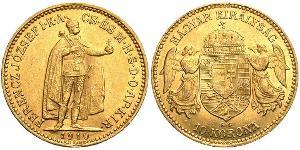
- Budapest Mint: This facility handled Hungarian specific issues which often featured heraldry distinct from central imperial designs, reflecting the unique constitutional relationship between Vienna and Budapest before WWI.
Artists employed within these workshops were tasked with blending classical motifs with emerging Art Nouveau trends. As the empire aged toward its dissolution, new artistic movements began to influence design styles on coins issued during this final period of imperial existence before war disrupted operations entirely.
Notable Coins
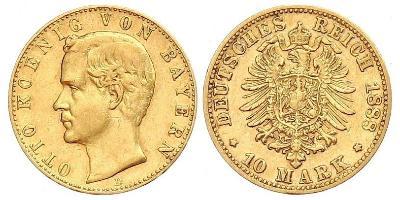
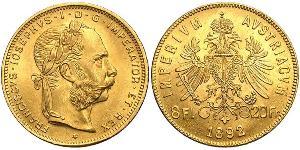
Collectors worldwide are drawn most strongly by specific types that serve as tangible artifacts of their era. Among these is the gold Krone featuring Emperor Franz Joseph I wearing a laurel wreath and crown, which remained iconic long after political changes occurred.
The silver Thaler series provides another entry point for enthusiasts looking to understand regional variations within a single standard currency type. These larger denomination coins carried portraits that evolved slowly over decades while maintaining consistent weight standards despite changing mints operating under the imperial banner.
- Historical Context: Produced consistently throughout late century, these represented stability amidst shifting global politics before 1914.
Smaller denominations often featured local coat of arms shields representing specific crownlands such as Galicia or Moravia. These small copper pieces tell the story of administrative subdivision within one large political entity. Each shield design reflects unique architectural landmarks, agricultural products associated with that region, and heraldic traditions distinct to its historical identity.
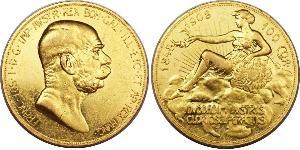
For those who appreciate fine artistry in metalwork, certain commemorative issues highlight grand events such as jubilees celebrated by monarchs or significant anniversary dates marking the founding of major cities within imperial borders. These pieces were often sold exclusively during special exhibitions and are now highly sought after for their rarity compared to daily circulation examples found at auction.
Cultural Legacy
The coinage produced under this regime serves as a permanent cultural record that outlasts political documents or treaties of state. Every portrait, emblem, inscription, and architectural engraving carved into metal preserved the collective memory of an empire now divided. For instance, religious symbols frequently found on these coins reflect deep Catholic traditions prevalent across Central Europe.
The use of imperial imagery connects common citizens to their rulers physically through daily transactions involving silver or copper tokens in hand. This direct representation reinforced loyalty and unity among diverse ethnic groups comprising the Habsburg lands who might otherwise feel marginalized by nationalist narratives dominating broader European discourse at the time.
For collectors
Today, acquiring coins from this period offers a unique opportunity to possess pieces of history that bridge multiple generations. The significance extends beyond monetary value; owning an authentic gold coin or silver Krone connects you directly into conversations about industrialization, art history, and geopolitics prior to the twentieth-century upheavals.
A well-preserved set provides insight into economic conditions ranging from boom times in industry sectors down through periods of agricultural crisis affecting currency demand. For any serious collector seeking depth rather than mere speculation, these pieces represent one final chapter where empires were built and eventually dissolved on silver standards still recognized globally today.