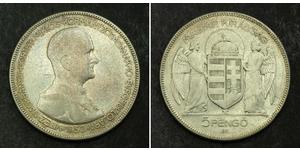
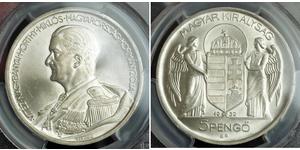
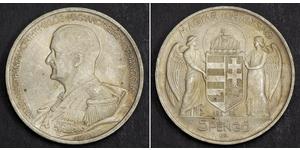
|
|||||||
 Kingdom of Hungary (1920 - 1946)
|
|||||||

| succeeded by | ||||
|

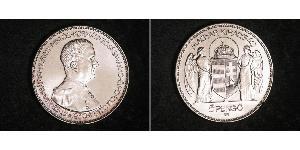
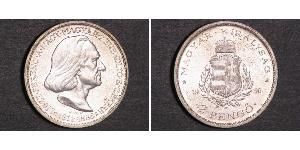

| Kingdom of Hungary (1920 - 1946) | Link to Wikipedia |
Kingdom of Hungary (1920–1946): History, Coinage and Collectibles
Welcome to a glimpse into an era where artistry was forged under the weight of geopolitical change. This article explores the numismatic history of the Kingdom of Hungary from 1920 through 1946. During this period, small metal discs circulated in hand-to-hand commerce while telling the story of a nation struggling for sovereignty and identity after World War I. For the collector who seeks more than simple dates and values, these coins offer access to a narrative about economic survival, artistic revival, and national resilience.
Historical Background
The Kingdom as it existed in 1920 was fundamentally different from its imperial predecessor of two decades prior. The devastation brought by the First World War culminated in an armistice that significantly reduced Hungary's territory. This geopolitical reality profoundly shaped national identity, trade patterns, and economic policy for years to come. Historians view this era as one where a people were forced to redefine greatness without access to their former resources or international standing.
The interwar economy was driven by an attempt at self-sufficiency and the rehabilitation of pre-war infrastructure damaged during conflict. Trade remained essential, yet Hungary found itself isolated within new European borders formed after 1920-35 relocations and annexations to Italy's empire or German spheres later on. The culture reflected this shift through a blend of traditionalism and modernization; they sought to maintain high standards in art despite economic constraints.
The social landscape changed with the arrival of Regent Horthy, who aimed to restore stability amidst international pressure for reparations. These pressures forced currency reforms that would alter how money was manufactured and issued. The historical context is critical because coins from this time often bear witness to a state attempting to project strength while its borders were physically smaller. Coins became artifacts not just of value exchange but symbols of political continuity during an unstable era.
Currency and Coinage History
The monetary system evolved significantly throughout the early 1920s through war's end in Europe before stabilizing again later. The state sought to replace older denominations with new standards that could withstand inflationary pressures common across Central Europe during this decade of adjustment.
- Pengő Era Transition:
The shift from the Pfülls which had been used previously in Hungary since 1867 to a new currency called Pengő marks an important economic pivot. This transition was driven by stabilization efforts, though inflation returned later due to global war demands. The early years of this period saw denominations like fifty-pengős and ten pengős circulating as paper money became dominant for daily transactions.
Coinage itself served more specialized functions during the 1930s through mid-45 timeframe, often reserved for savings accounts or official state deposits rather than pocket change. When coins were issued in circulation prior to late occupation and final regime changes around WWII's end, they were minted with a higher standard of quality intended for collectors or foreign investors seeking safe assets. By the early 1940s war economy dictated that production ceased for common denominations while commemorative pieces became significant markers of official propaganda.
Mints and Coin Production
The primary center for coinage in this territory was the Budapest State Mint, operating under centralized oversight. While Vienna had historically served as a mint hub after 1867 unification with Austria-Hungary before dissolution later on by treaties signed following WWI, Hungary eventually established its own distinct production centers.
The technological traditions at these facilities were advanced for the interwar years but faced resource limitations due to trade barriers and import restrictions common in Europe during this time. Artists employed skilled die cutters who incorporated national motifs into their work while adhering to international trends of Art Deco design influencing coin art from France, Germany, or London.
Production techniques included standard striking methods used globally by the 1930s but adapted for local metal supplies which became scarce as war disrupted supply chains. Coins minted during wartime years are rarer today because production was halted and existing stock melted down to pay debts before liberation forces arrived in Central Europe at end of conflict.
Notable Coins
To understand the significance for collectors, it is helpful to examine specific examples without relying on current market prices. These items highlight historical importance through design choice rather than catalog rarity alone.
- The High-Denomination Gold Pieces:
Minted during a brief window before wartime rationing halted full production, gold krünners were struck to commemorate specific anniversaries or royal events. The historical context here involves attempts by the state bank to create reserves against inflation using precious metal backing rather than paper guarantees alone.
These coins usually feature coats of arms centered within ornamental wreaths. The historical context for these issues involves the state's need to assert sovereignty through iconography that remained constant despite political leadership changes from regent rule back toward republic formation after war.
Published as daily denominations in 1920s-38 these coins often depict agricultural motifs. Collectors appreciate them because they reflect the agrarian roots of this region even when urban populations grew during industrialization phases earlier on before WWI.
Cultural Legacy
The coinage produced between 1920 and wartime closure mirrors a society that valued tradition mixed with artistic ambition. Religious symbols found their way onto reverse designs alongside eagles representing the state or double-headed heraldic animals used as national emblems to connect with medieval roots lost due border reductions.
Economic policies reflected in currency art show how trade became vital for survival when agricultural output could not alone support population size anymore after territorial cuts. The style evolution from ornate early 20th-century Baroque influenced designs to Art Deco simplifications during the Great Depression era shows how global currents hit local minting facilities hard.
The cultural legacy remains in surviving specimens that capture a moment of national pride before final dissolution into Eastern bloc membership later following Soviet influence on borders. Each piece tells story about artistic values held by engravers who worked under government contracts while trying to maintain dignity amidst changing times and occupation pressures.
For Collectors
This period remains important because it represents a distinct era of numismatic art before the post-1946 transition into communist economic systems. Today's collectors should focus on condition rather than simple value when examining pieces from this specific timeframe due to rarity caused by wartime consumption.
- Rarity Context:
The historical weight of these items makes them valuable beyond material content since they bridge a gap between old empire traditions and new state identities formed after WWII occupation periods before final regime transition in later 1940s.