| View |
| preceded by | |
 Hungary
|
||||||||||||||
|


| succeeded by |
| Hungary | Link to Wikipedia |
Hungary: History, Coinage and Collectibles
Historical Background
The narrative of Hungary is written in gold ink across centuries that shaped one of Central Europe’s most enduring identities. Originally settling on the banks of the Danube around 896 AD, a diverse group of warriors moved into what became known as the Great Hungarian Plain or Alföld. This geographical location provided them with strategic control over trade routes connecting East and West, allowing early kingdoms to become wealthy through commerce between Russia and Italy.
In 1000, King Stephen converted his realm from pagan tribalism to a unified Christian kingdom under the Pope's blessing. This event fundamentally altered the cultural landscape of Eastern Europe for centuries ahead. The arrival of Christianity meant that coinage was no longer just tokens for trade but became instruments of state authority and religious devotion.
The following years were marked by military conflict, including struggles against neighbors in Bohemia and Austria, as well as prolonged wars with Ottoman forces starting around the 15th century. These conflicts disrupted supply lines and led to fluctuations in precious metal availability for domestic mints. Following the Turkish occupation period of 1526 through much of the sixteenth century until the late 1700s, Hungarian nobles often managed minting under foreign overlords who dictated monetary policy.
The geopolitical situation shifted dramatically when Charles IV established an official Habsburg monarchy over Hungary in the early 18th century. During this era, Vienna exerted strong control over currency standards, integrating Hungarian finances with broader Austro-Hungarian trade networks while still preserving local production centers.
Currency and Coinage History
The evolution of money within these borders reflects the fluctuating power dynamics between regional empires. Early on, minting was decentralized because each noble or bishop had a degree of autonomy over their lands' currency issuance before centralization occurred in Buda.
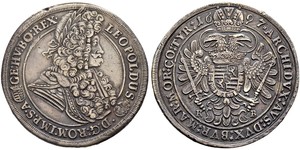
Silver coins circulated widely as they were harder to counterfeit than gold and fit local purchasing habits better for daily trade across the frontier regions that stretched from Carpathians down into Transylvania. The most famous standard was based on the Vienna Thaler, which set a weight benchmark for decades until paper money replaced it in large volumes.
In 1867, following political concessions during the Compromise of Austria-Hungary (Ausgleich), currency reform aligned strictly with Vienna’s standards to prevent inflation and stabilize trade within both halves of the empire. However, after World War I broke out later that century causing massive disruption in Europe generally along borders shifting due treaties like Trianon which removed territories from Budapest's jurisdiction.
This fragmentation meant many provinces were now minting independently or under different governments entirely leading to a diversity of designs featuring local figures alongside traditional imperial portraits before modern paper currencies dominated the economy completely during mid-20th century conflicts that left very few specimens surviving intact today.
Mints and Coin Production
Buda was always considered the primary mint for royal coinage due to its proximity to capital administration where new laws on debentures were signed. Located within heavily fortified city walls it offered security from banditry which plagued less secure outposts during wartime.
The artistic quality found here improved throughout Baroque times as skilled engravers introduced intricate details like leaf borders around the central figure of St Stephen and various floral patterns to distinguish legitimate issues from forgeries. Later, in 1800s, Art Nouveau influences appeared briefly before classical revivalism dominated again.
During periods under foreign rule or occupation production slowed down due lack resources needed casting heavy metal pieces requiring copper alloys instead pure silver sometimes used because precious metals were diverted into war efforts elsewhere across Europe during conflicts like WWI leaving only small quantities entering circulation which became highly sought after decades later by dealers seeking historical authenticity.
Notable Coins
- The Early Florins of Saint Stephen:
- The Maria Theresa Thaler:
- The Austro-Hungarian Gold Double Crown:
- The Interwar Crown Series:
Emitting in the 10th to early 13th centuries, these coins marked Hungary's entry into Western monetary systems. They often bore a cross on one face and a legend around the border indicating their connection to papal authority rather than purely royal power. Collectors prize them for connecting directly with Christian missionary expansion throughout Eastern Europe.
This silver piece was issued under Austrian imperial rule but circulated extensively in Hungary regardless of currency laws changing around it. The obverse showed her portrait wearing heavy regalia while reverse bore the cross and denomination value clearly legible even after centuries passed since initial minting took place when mintage totals exceeded millions making survival pieces relatively common yet historically vital.
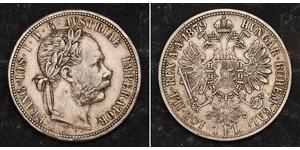
A symbol of high finance during peace, these coins featured the imperial crown motif representing shared rule between Vienna and Budapest. While some later issues are quite abundant due to mass production techniques used in 1800s industrial era workshops earlier dated specimens carry higher premiums reflecting original scarcity.
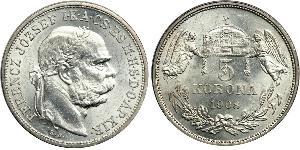
Following separation of Hungary from Austria these new coins featured national symbols like oak leaves and tricolor bands replacing imperial portraits. They represent a distinct era in numismatic history where political sovereignty reasserted itself through art design rather than foreign iconography.
Cultural Legacy
The way Hungary designed its currency provides insight into how that nation viewed themselves during different historical epochs, from the early centuries of Christian rule to industrial expansion in late 1800s. Religious motifs dominate older pieces while later issues reflect secular nationalism using national flags and coats-of-arms common across Central Europe.
Symbols such as St Stephen remain iconic for his association with unification under one language law rather than foreign dominion which allowed him to be invoked throughout all centuries regardless whether Hungary was ruled by Habsburgs or other powers. This continuity of imagery shows how coinage preserved memory even when political systems shifted drastically.
For collectors
Hungarian currency pieces appeal because they sit comfortably in a niche between purely Austrian issues and those minted for independent nation-states after 1945 or earlier. The artistic standards remained very high especially early gold florins that show craftsmanship typical of European fine coinage before modern mechanical presses were introduced.
Rarity is often found within dates rather than design variety since mintage numbers grew significantly during late empire periods so finding low serial number examples becomes more common but original specimens from earlier eras are naturally limited by production volume which was always lower due to smaller populations and manual labor requirements. This creates a market dynamic favorable for serious collectors who seek historical narrative alongside aesthetic quality.
Understanding the history behind these artifacts provides context for appreciation beyond simple price guides. Each piece represents survival of an era through metal preservation against fire war or melting down during economic crisis which happened repeatedly across centuries in this region. Collectors today are not just acquiring coins but preserving cultural documentation essential to understanding how Europe evolved over many generations.