| View |
| preceded by | ||||
|
||||

|
|||||||
 German Empire (1871-1918)
|
|||||||


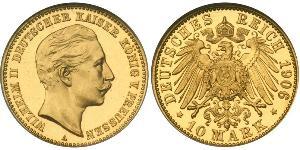
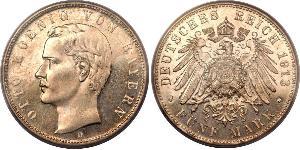
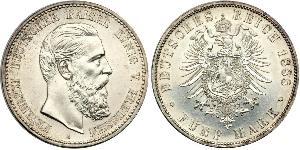
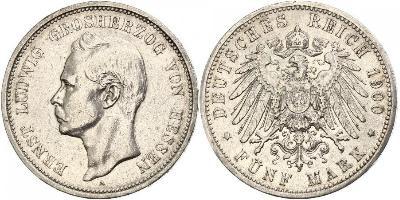
| German Empire (1871-1918) | Link to Wikipedia |
German Empire: History, Coinage and Collectibles
Welcome to a curated exploration of one of history's most distinct monetary legacies. The German Empire stands as a fascinating chapter in economic storytelling where industrial prowess met artistic ambition. This region offers collectors an opportunity not just to view metal discs of value but tangible windows into the rise of modern nation-state economics and culture.
Historical Background
The narrative begins with the unification process under Prussian leadership, a period defined by Otto von Bismarck's diplomatic finesse. Prior to this transformation, Central Europe was fragmented among numerous states, each managing its own currency and coinage systems. This fragmentation complicated trade within what would become a massive industrial powerhouse.
As the nineteenth century advanced, the region embraced rapid technological innovation in railways and heavy manufacturing. Economic modernization required stability; disparate local currencies hindered seamless commerce across borders that were effectively being erased by political unification policies. The government prioritized creating a unified monetary zone to support its booming exports of steel and coal products.
Cultural consolidation occurred alongside economic integration, fostering an identity known as '"German."" This shift from regional pride to imperial unity was mirrored in the currency reforms. As commerce grew so did demand for trustworthiness within financial instruments. The stability built during this industrial boom provided a foundation that allowed artists and mint masters to craft enduring works without pressure of constant inflation or devaluation.
Currency and Coinage History
The evolution of money in the Empire moved from complex, silver-based Thaler variations toward a decimalized system. In 1873, significant legislation established standardization laws that allowed for consistent weights across former sovereign entities like Prussia and Bavaria before they were fully subsumed into larger structures.
Initially high-value gold pieces circulated alongside the traditional silver denominations which had been used in commerce since Roman times. However, as time progressed paper notes from the Reichsbank replaced much of heavy circulation due to their convenience for everyday market transactions involving small change and wholesale goods. Despite this shift toward banknotes coins remained vital symbols representing national sovereignty.
The adoption of gold standards came later than some European neighbors because Germany was deeply influenced by political factors preventing early international monetary agreements until the Kaiser's reign secured economic independence in domestic markets where internal banking regulations dictated issuance rules.
Mints and Coin Production
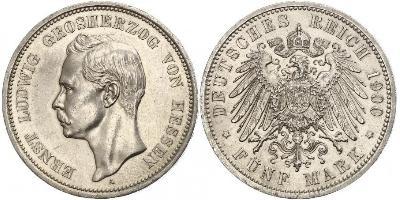
Artistic direction for coinage production centered heavily on Berlin as the primary mint facility while other regional centers contributed distinctive styles based on local traditions. The transition from neoclassical artistry toward more realistic portrait depictions is visible in how figures were rendered over time.
Minting technologies evolved to include advanced die engraving techniques that allowed for crisp detailing even when mass producing large quantities of silver coins needed by merchants and travelers alike. Each mint mark found on the edge or face indicates specific manufacturing traditions like those employed at Dresden, Munich, Hamburg or Frankfurt where master artisans competed under imperial oversight.
- The use of copper alloys in low denominations represented economic practicality for small change distribution among workers
- Silver standards were preserved carefully to prevent debasement which could damage public confidence during uncertain war periods
Notable Coins
Focusing on pieces that define the era, one might examine the silver Reichsthaler types minted in various denominations reflecting different levels of wealth stored or spent by citizens over decades. These specific coins serve as markers for economic history rather than merely functional objects used daily.
Another category includes commemorative issues produced specifically to mark coronation events such as the marriage celebrations involving royal family members during the Kaiser's lifetime when high-grade proofs were sought after carefully even if not widely circulated among general populations. Collectors value these pieces because they encapsulate political ceremonies within their metal designs.
High-value gold specimens are also significant to numismatists who seek out limited mintage issues intended for treasury reserves or diplomatic gift purposes rather than market exchange. Their rarity stems from the scarcity of raw material available at that time combined with strict production limits set by imperial banking authorities.
Cultural Legacy
The imagery used on these coins reflects broader cultural shifts within German society during this transformative period in national history. The transition between allegorical figures representing abstract virtues and portraits depicting living rulers illustrates a change from mythological symbolism toward modern nationalism centered around the monarchy and its leadership.
Religious motifs appear subtly through protective crosses found on certain denominations that appealed to devout believers while secular symbols like eagles dominated larger face values intended for broader commercial circulation. These design choices were never neutral; they told stories about power structures influencing who felt represented by official state currency in their hands daily life.
For collectors
The enduring legacy of this era continues to hold significance today because it marks a pivotal moment before mass disruption brought World War One which shifted monetary systems entirely under different regimes. Collectors appreciate these pieces not merely for aesthetic beauty but as artifacts connecting us directly with an age where craftsmanship was paramount and every minted piece required approval through layers of bureaucratic oversight.
In summary, exploring the coinage from this Empire allows enthusiasts to understand how art met economics when nations were newly forming identities amidst shifting global tides. Each surviving example offers a unique perspective on governance strategies employed at high levels throughout Europe during late industrialization eras and remains important in auction contexts for historians seeking tangible evidence of economic policy success or failure.
Conclusion
This comprehensive look highlights how historical context enriches our understanding of collectible objects beyond market prices. By appreciating the stories behind German Empire coinage we gain deeper insight into why monetary stability mattered deeply to early twentieth century citizens across vast regions stretching from Berlin borders outward toward maritime trade routes controlling northern sea access points for shipping goods manufactured locally around Hamburg and Bremen.