| View |
| preceded by | |
|
|||||||||||
 Holy Roman Empire (962-1806)
|
|||||||||||


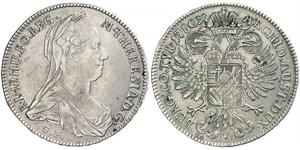
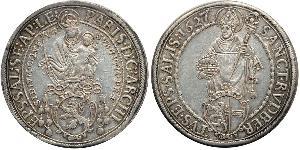
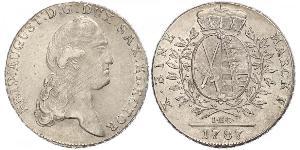
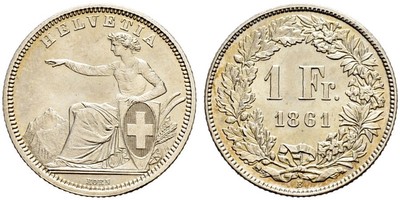
| Holy Roman Empire (962-1806) | Link to Wikipedia |
Holy Roman Empire: History, Coinage and Collectibles
Welcome to an exploration of the Holy Roman Empire through its most enduring legacy stamped into metal: currency. For nearly a thousand years of history in Central Europe, coinage served not just as trade mediums but as tangible evidence of shifting political power, artistic patronage, and regional identity. As we delve into this vast historical landscape at HobbyRay, we will examine the coins that circulated across Germany, Italy, Bohemia, and beyond to understand what they reveal about a civilization that defined much of modern Europe.
Historical Background
The Holy Roman Empire was never merely a single kingdom but rather a complex constellation of principalities, cities, duchies, and free states under the nominal rule of an Emperor. Its roots trace back to Charlemagne in the early ninth century, who sought to unify Western Christendom through law and coinage. By 962, with Otto I crowning as emperor, this entity aimed for universal authority while allowing significant local autonomy.
This unique political structure deeply influenced economic development because trade required trust that extended across borders where a single government rarely issued uniform money. Early medieval economies relied on the silver denier and groschen which were minted by individual cities rather than an imperial central bank. However, as commerce expanded through the Hanseatic League routes and into Italian banking houses in Florence and Venice, there was immense pressure for standardization.
Major historical shifts occurred during periods of crisis where emperors sought to stabilize revenue streams or reward loyalty. The era of Frederick Barbarossa saw attempts at monetary unification across German lands, while later conflicts involving the Ottoman Empire necessitated stronger defenses that often resulted in debasement and new issues by military commanders.
The dissolution of this great political structure occurred during the late eighteenth century under external pressure from revolutionary France. This geopolitical end is a significant narrative point for collectors because it created an artificial scarcity in later numismatic series as old types vanished alongside the political order they represented, creating clear dividing lines between older and newer European currency histories.
Currency and Coinage History
The monetary evolution of this region provides one of the most comprehensive timelines for serious collectors. The early period was dominated by silver pennies known as pfennige or groschen that were circulated among the populace, while gold coins were rare treasures kept in treasury chests until late medieval trade routes flourished.
A turning point occurred with the introduction and widespread adoption of larger denominations similar to Venetian florins. The Emperor Maximilian II was pivotal here as he issued coinage that sought international recognition against rival sovereigns like France or Spain. His Thalers became widely circulated throughout Europe because they maintained a reliable silver standard, even during periods where other nations struggled with inflation.
Throughout the seventeenth century and into eighteenth centuries, money remained fragmented due to local privileges granted by princes within their territories under imperial law. A coin minted in Vienna might not be legal tender at Augsburg without a special agreement or re-minting fee imposed on merchants carrying bullion across borders. This reality is why collectors value specific coins that bear the portraits of Holy Roman Emperors, as they served as portable sovereign debt and political symbols.
In late centuries leading to 1796, reform attempts centralized minting power more strictly under imperial control. The final Imperial Thalers issued before Napoleon abolished the structure serve as a rare window into what it meant to carry money of an empire that no longer existed politically but which left economic impacts for decades afterward.
Mints and Coin Production
The production centers within this region were hubs of immense technical skill. Augsburg served as the preeminent capital of coinage where goldsmiths and minters worked under strict guild regulations to maintain weight standards across Europe. Other major centers included Prague, Nuremberg, Munich, and Vienna.
Minting traditions varied by location but shared common elements like security features designed against counterfeiting. Mint marks were crucial for identification during these centuries because they indicated the city of issue alongside a date punch that often corresponded with the reign period or specific coinage cycle rather than strict calendar years as used today.
The artistic characteristics found in Holy Roman coins evolved over time, reflecting changing tastes and engraving techniques. Early portraits were stiff and frontal due to limited understanding of anatomy, but by the Renaissance and later periods, imperial busts showed realistic detail including flowing beards, elaborate crowns, or military uniforms that displayed specific achievements such as knightly orders.
The use of high-quality dies in these regions allowed for crisp lettering despite heavy circulation. Mint masters appointed to oversee production often signed their works on rare specimens like half-groschen where space permitted this inscription today recognized by advanced collectors tracking provenance through die marks rather than catalog numbers alone.
Notable Coins
Certain coin types stand out for the historical weight they carry and their aesthetic appeal. The Bohemian Silver Grosch of Henry IV illustrates an earlier era when religious crosses dominated design alongside royal portraits, marking a transition from purely ecclesiastical power to dynastic rule in metal.
The Maximilian II Thaler is another masterpiece among these historic series. Engraved with great detail showing the Emperor’s portrait and attributes associated with his knighthood order or military command against Ottoman forces on horseback, it serves as a high point of artistic numismatics before industrialization changed manufacturing methods drastically.
Late Imperial issues produced under Joseph II feature elegant neoclassical motifs that mirror changes in architecture and painting at the time. These coins are highly valued because they show how an empire was trying to modernize its image for international trade while retaining traditional symbols like crosses or imperial regalia within new stylistic frames.
Collectors often seek specific mints from Nuremberg due to their reputation for producing exceptionally clean copper pieces that survived circulation better than those cast at other cities under harsher conditions. Finding a full set of these smaller denominations allows one to reconstruct the local economy and daily life in free imperial cities across Central Europe.
Cultural Legacy
The coinage from this region mirrors broader cultural shifts within its political framework. The prevalence of religious imagery such as crosses or saints depicted on coins highlights how closely intertwined church authority remained with secular rule during these centuries.
Dynastic symbols changed hands as emperors died, yet certain elements like the double-headed eagle appeared gradually over time to signify imperial status rather than local identity alone. This blend of universal and regional symbolism is preserved in museum collections today where experts analyze wear patterns to determine whether a coin was used for tribute or kept within an official treasury.
The legacy extends into modern currency design which often references these historic prototypes from the early national periods that emerged after 1806. By studying these older pieces, we can trace how concepts of nationalism developed out of regional identities previously bound together by a common imperial coinage system before fragmentation and unification processes began.
For Collectors
The Holy Roman Empire remains essential to numismatic study because it offers an unmatched chronological record spanning centuries. Completing the story requires seeking pieces that show different reigns or mints, as these coins tell a narrative of political change through physical artifacts rather than just written texts.
Rarity is often found in high grades due to heavy circulation wear common on large silver denominations used by merchants daily. While gold was rarely circulated at the time and more likely held for display pieces or medals, surviving examples are significant as they represent wealth concentrated during specific historical eras before modern banking systems took over.
The importance of these coins lies in their ability to preserve history that can be felt visually upon examination under light. They serve as ambassadors from a distant political system once powerful and complex enough to shape the world map until late eighteenth century revolutions changed Europe forever.