| View |
| preceded by | |
|
|||||||
 British Empire (1497 - 1949)
|
|||||||


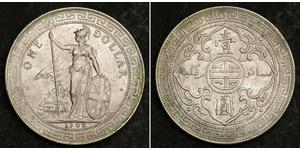
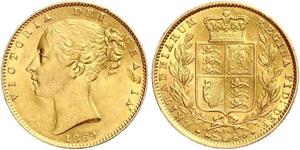
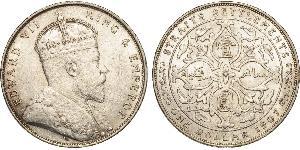
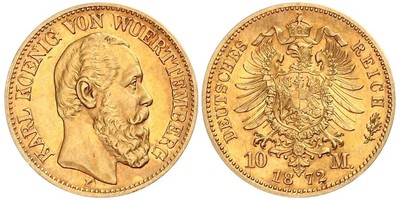
| British Empire (1497 - 1949) | Link to Wikipedia |
The British Empire: History, Coinage and Collectibles
Welcome to a journey through time, exploring one of the most extensive monetary networks ever constructed by humanity. The legacy of this great power is not found solely in maps or treaties but etched into metal that has traveled oceans to touch every corner of the globe. For those who appreciate history, these pieces offer more than just precious mass; they represent a tangible connection to an era where trade defined national identity and commerce shaped empires.
Historical Background
The narrative begins not with conquest alone but with the ambition to navigate global seas safely under the guidance of royal charters. In early centuries, local currencies from various regions were exchanged in ports ranging from London to Boston and Bombay. Economic expansion required a system that could handle vast quantities of goods across different borders while maintaining value integrity for merchants and kings alike.
As trade routes expanded during the sixteenth and seventeenth centuries, so too did monetary systems evolve alongside them. The establishment of trading companies often coincided with specific minting agreements or permissions to issue coinage that bore local characteristics yet aligned with imperial standards.
This period witnessed a shift where silver flow from Asia influenced domestic markets heavily in England while gold was introduced for higher denomination transactions suitable for international trade contracts between governments and private merchants alike. Such economic integration laid the foundation for standardized currencies across distant lands governed by similar laws or treaties, ensuring that wealth accumulated through exploration could be spent back home with confidence.
Currency and Coinage History
The evolution of money within this realm can be traced from fragmented local tokens to a unified system backed by sovereign authority. Initially valued purely in terms of weight and purity rather than face value, coins were scrutinized closely before acceptance across international borders due to the lack of reliable banking infrastructure for most populations.
Over time, reforms implemented gradually shifted public trust away from individual metal standards toward fiat backing based on national reserves held securely within mints. The introduction of gold sovereigns represented a critical milestone where high-value transactions became secure enough to carry across oceans without reliance on paper certificates or fragile bullion shipments which were frequently seized by pirates or political unrest along transit routes.
Furthermore, the integration of silver into denominations allowed for broader circulation within colonies requiring lower value currency but maintaining consistency with parent country standards. This dual standard system was essential because it facilitated daily commerce from London markets to remote plantation economies while preserving stability during times when global prices fluctuated sharply due to wars or harvest failures.
Mints and Coin Production
The production of these coins took place in specialized facilities known as mints located either on the home islands or established overseas. The primary center was often operated by skilled master workers under direct supervision ensuring high quality control standards that distinguished official pieces from private imitations which plagued early colonial markets significantly.
Artistic characteristics varied according to location and availability of artistic talent but generally followed central designs issued periodically for all jurisdictions within the imperial orbit. Differences in typography, mint marks indicating origin such as letters corresponding to city initials allowed experts to identify specific production batches relevant to collectors seeking provenance evidence tied historically documented events like major coronations or legislative reforms affecting currency circulation.
- Tower of London: Primary national authority for high quality pieces
- Overseas Branches: Local variations reflecting indigenous art styles and resource availability
Notable Coins
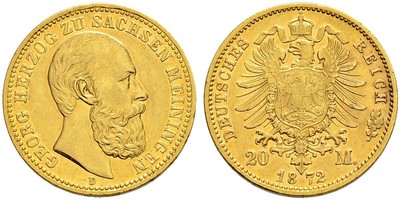
Among the most revered are gold sovereigns bearing profiles of monarchs who served during periods marked by industrial advancements, naval dominance or exploratory achievements on a grand scale. These pieces feature intricate engraving that captures detailed facial expressions reflecting personality and status as seen in contemporary portraits painted for public consumption at court.
Halfcrown denominations serve another popular interest with their imagery often depicting Britannia standing over sea creatures to symbolize naval strength against maritime rivals who controlled key choke points like Gibraltar or Suez. The design features remained remarkably consistent over decades which made identifying specific production years crucial for valuation and historical placement within broader numismatic trends.
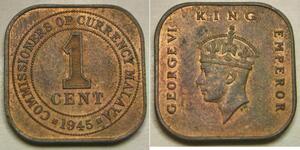
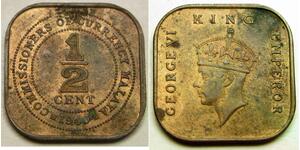
Smaller coins like pennies demonstrate significant changes in artistic direction from heavy Roman inspired figures to lighter, simpler designs intended specifically for mass distribution among working class families who relied on daily wages paid entirely through such small denomination exchange mechanisms essential for purchasing goods at local markets or paying rent due regularly throughout each fiscal year.
Cultural Legacy
The visual elements used in these metal artifacts reflect deeper cultural values including loyalty to established authority, pride over maritime achievements and adherence to traditions of honesty enforced by strict penal statutes against counterfeiters active during those centuries.
Religious symbols occasionally appear subtly integrated into design schemes particularly on reverse sides depicting shields or crosses signifying divine protection for state endeavors. Rulers are portrayed not merely as heads but often with regalia denoting sovereignty over distant territories which served as diplomatic tools exchanged between nations to signal peace treaties reached after long negotiations involving powerful leaders.
For collectors
The enduring appeal of collecting these pieces lies in their ability to transport owners into a different age where maps were drawn by hand and communication took weeks rather than seconds. Understanding the history behind each minted artifact helps one appreciate not just rarity but significance within specific historical contexts relevant today.
- Historical connection: Linking present day collections with past achievements of exploration