| View |

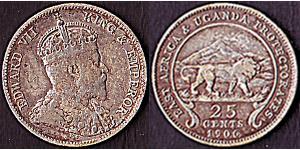
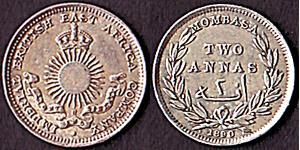
| British East Africa (1895-1920) | Link to Wikipedia |
British East Africa: History, Coinage and Collectibles
Historical Background
The legacy of British East Africa is woven into the very fabric of imperial ambition and economic expansion that defined late nineteenth-century globalization. This region was not merely a geographic territory but a strategic corridor for trade routes connecting Europe to Asia via the Suez Canal, influencing how commodities flowed through ports like Mombasa and Zanzibar towards the interior markets. The consolidation of protectorates in Uganda and Tanganyika alongside Kenya Colony required administrative unification that fundamentally altered local economic structures.
Economic life here was defined by agriculture, particularly coffee exportation during periods known as "coffee cycles," where government bonds were often backed against colonial agricultural output rather than domestic wealth. This reliance on single-commodity economies shaped the monetary policies imposed from London and required a steady inflow of capital goods from abroad to sustain infrastructure projects like railways that carved through dense bushlands. The narrative is one of gradual integration into the British Commonwealth, where local populations were slowly moved toward participation in the imperial economy.
Cultural exchange was profound yet complex during this era. As the colonial administration extended its reach inland and established urban centers such as Nairobi and Kampala, these became hubs for education and commerce that attracted merchants from India and China who also utilized coinage to facilitate trade within their distinct networks before British law standardized local transactions.
Currency and Coinage History
The introduction of formal currency replaced a complex system of barter involving cowries, brass beads, and shells with gold standards that mirrored the value systems in Europe. The transition began with silver shillings circulating under the Crown but evolved significantly when inflation pressures during wartime forced changes into base-metal denominations to ensure stability for soldiers stationed overseas.
The currency system initially adhered strictly to British Imperial standards, utilizing pence and shillings based on gold weight relative to Sterling. This ensured confidence from foreign merchants trading in ivory, rubber, and spices without fear of devaluation against the Pound. However, as independence movements gained momentum during the 1960s, new issues began circulating that reflected national identity rather than imperial allegiance.
An essential period for numismatics was the shift toward decimalization in the late twentieth century. This reform required a transition away from traditional silver coins to copper-nickel clad pieces that could circulate faster and withstand higher volume of daily commerce. For serious collectors, this era represents both an end to imperial continuity and the beginning of sovereign nationhood identity stamped onto metal surfaces.
Mints and Coin Production
The mints responsible for producing coinage in British East Africa operated under strict oversight from London before local production became feasible. While most early issues were struck at facilities like South Australian or Birmingham, special orders allowed specific batches to be minted locally during wartime when supply chains faced interruption.
Artistic traditions emphasized the use of royal effigies on coin faces while allowing for indigenous cultural motifs in reverse designs depicting wildlife such as lions and leopards. Early strikes often carried high relief features due to limited technology compared to later years, where finer details emerged with better die management at facilities like the Royal Mint.
The transition from silver base metals during World War Two saw a significant reduction in weight per coin while maintaining face value through legislative fiat. This practice was mirrored across many colonies but East Africa stood out because of its unique geographic location requiring robust defenses against currency smuggling and counterfeiting attempts that utilized local goldsmithing skills.
Notable Coins
The Halfcrown issued during the reigns of Edward VII and George V remains iconic for collectors. This denomination featured a detailed profile of the monarch wearing laureate wreaths while depicting British shields adorned with imperial crowns on reverse sides that symbolized authority.
Later, specific issues struck at Nairobi mints carried distinct markings indicating their place of origin rather than generic London dates found elsewhere in colonial territories. The Kenya Shilling introduced during this period utilized intricate patterns inspired by Maasai jewelry designs to distinguish it from circulating coins used in neighboring regions for trade purposes involving cattle and grain.
One particularly valuable find is the early silver florins that circulated prior to decimalization, which featured complex heraldic crests representing regional protectorates rather than generic Commonwealth emblems. These pieces often carry evidence of heavy circulation damage but remain prized for their historical provenance connecting directly to merchant vessels arriving from Bombay and Cape Town.
The transition into the 1960s produced high-quality copper-nickel cent coins depicting leopards resting on stylized trees that showcased local fauna rather than royal portraits. These were often released in large quantities due to rapid inflation but retain value because of their artistic merit and limited production during initial years.
Cultural Legacy
The coinage serves as a tangible record of shifting power dynamics from colonial administration toward national self-governance seen through symbols chosen for minting. Early issues celebrated British conquest while later designs embraced indigenous wildlife like lions to foster unity among newly independent peoples who sought recognition of their own heritage.
Economic necessity drove design choices that prioritized durability over artistic embellishment, yet master designers managed to incorporate regional flora and fauna into metal impressions with remarkable precision even under wartime restrictions on material resources. Religious motifs rarely appear but cultural references to trade routes connecting East Africa to the Indian Ocean basin are evident in patterns found on older denominations.
For Collectors
The historical significance of British East African coinage lies not only in scarcity but in its ability to tell a story about empire building and regional economic integration. High-grade uncirculated examples from the early Edwardian reigns offer a glimpse into an era when global trade relied heavily on imperial monetary stability.
Preservation conditions are paramount, as silver issues often suffered surface damage during harsh colonial travel routes between ports while later base-metal coins were circulated constantly in bustling markets. Auction buyers value items with provenance connecting them to specific historical transactions or early government treasury records before independence altered currency systems permanently.