| View |

 Belize (1981 - )
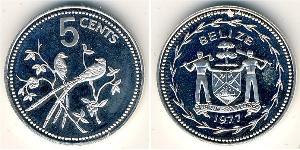
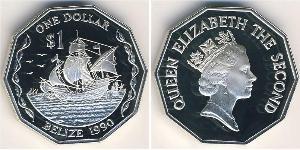
| Belize (1981 - ) | Link to Wikipedia |
Belize: History, Coinage and Collectibles
Welcome to an exploration of a nation carved from rich cultural sediment and defined by its unique path through history. In the halls where artifacts are arranged for public viewing, Belize stands not merely as a border dispute or a political entity, but as a testament to resilience. Its story is woven into the very metal that circulated across Caribbean trade routes, evolving from bartered goods stamped with colonial authority into modern representations of national sovereignty.
Historical Background
The roots of this country run deep within ancient soils inhabited by Maya civilization before European arrival long ago. The landscape speaks in Mayan glyphs, but the history recorded on paper and preserved in museum archives reveals a more complex journey between Spanish claims and British settlement. This tension defined its early economic trajectory. While neighbors often faced colonial transitions through conquest or formal treaties, Belize grew from trade outposts focused heavily on timber resources like logwood.
This industry created pockets of wealth that were managed with distinct currency requirements before the region became stable enough for sovereign banking standards. The transition from British Honduras to an independent nation represents a unique chapter in Central American history. Unlike its neighbors who often fought civil wars or dictatorships during this era, Belize navigated toward stability through democratic means.
The cultural mix is evident in daily life and the symbols chosen later to adorn state currency. This blend of indigenous heritage with British legal structures created an economy that needed stable monetary tools early on. It was not until late twentieth century that these historical tensions resolved into a peaceful, modern republic ready for its first official minting programs.
Currency and Coinage History
The evolution of money in this region mirrors the broader shift from colonial dependency to economic independence. Initially, trade relied heavily on barter systems common along coastal waters where timber was shipped. Metal currency arrived later through British naval vessels that patrolled these dangerous shipping lanes during pirate eras.
In 1973, as political stability increased after decades of negotiation, the nation sought a distinct identity separate from its imperial predecessors and neighboring territories using different colonial currencies at this time. This led to significant reforms where new symbols were needed to represent local governance rather than distant monarchs or governors-general.
The shift away from Sterling area reliance toward a sovereign currency marked by independence milestones was crucial for economic confidence. Circulation issues in the 1970s prompted collectors and central banks alike to consider more durable designs that would withstand usage while representing this new republic identity fully.
Mints and Coin Production
In discussions of craftsmanship, early coins often bear marks from foreign manufacturing partners who were trusted for high standards. While a local press operation did not always exist immediately upon independence due to infrastructure needs in such young nations later on quality output is noted carefully.
- Royal Canadian Mint:
This partnership was essential during the 1980s and beyond, ensuring high-quality proof issues that collectors have treasured. The attention to detail in strike depth and die artistry from this source brought international standards of precision.
- Artistic Characteristics:
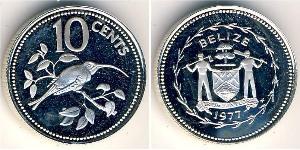
The focus remained largely on wildlife themes rather than portraits alone, distinguishing these issues significantly from older Commonwealth mints that often featured royal effigies exclusively. This choice reflects a nation finding pride in its own biodiversity.
Notable Coins
Certain designs have become the jewels of this numismatic collection world over decades since independence celebrations sparked demand for first sets issued during 1980s era commemorations celebrating sovereignty fully established by then. One notable series features denominations that celebrate national flora and fauna, such as howler monkeys or scarlet macaws.
The Independence dollar notes are often paired with circulation metal issues designed to complement them in full history of nationhood story told through coinage designs. The reverse side frequently depicts scenes related to the land itself rather than political leaders alone which adds a layer of artistic storytelling not found on typical colonial issue coins elsewhere.
Cultural Legacy
To view these items is to look at a mirror reflecting the soul of a nation that prizes its environment. The imagery used in coinage design choices serves educational purposes for future generations and current citizens alike who appreciate art representing their heritage without needing direct political commentary or controversial figures.
- Nature Conservation:
The decision to highlight wildlife symbols underscores decades of commitment toward habitat preservation which has become vital globally now. It transforms the coinage into a vehicle for raising awareness about tropical ecosystems rather than just tracking inflation or economic data.
For Collectors
Belize represents more than simple historical trivia today; it is an opportunity to own tangible history of a nation that carved its path through conflict and independence peacefully. For those seeking educational value alongside aesthetic beauty, this catalog offers a unique niche distinct from European colonial holdings or standard Commonwealth issues.
- Rarity Factors:
The initial low volumes produced in the early years post-independence create scarcity that enhances appeal for those seeking to build diverse portfolios. Proofs struck during special anniversaries remain highly prized due to limited mintage records.
Owning a piece from this collection allows enthusiasts to support appreciation of biodiversity while engaging with an authentic story preserved in metal form. Whether examining details on older circulation rounds or acquiring pristine proofs, each coin tells part of the larger tapestry woven into this region's history and economy today.