| View |
| preceded by | ||||
|
||||

 United Kingdom


| succeeded by |
| United Kingdom | Link to Wikipedia |
United Kingdom: History, Coinage and Collectibles
Historical Background
The story of the United Kingdom is deeply intertwined with that of its currency, a relationship rooted in centuries of maritime dominance and global trade. Located on an island off the coast of Northwestern Europe, Great Britain emerged from early tribal settlements into a complex monarchy that would eventually span nearly one-quarter of the globe's surface area by the nineteenth century. This vast expansion was not merely political but economic, driven by a robust need for standardized exchange to manage commerce between London and ports in India, China, Australia, and across North America.
The island nation evolved through periods where it relied on trade alliances with Scandinavian nations, known as the Hanseatic League during earlier centuries. As the empire grew, so did its influence over global finance. The Industrial Revolution transformed a primarily agrarian economy into one powered by steam, coal, and mass manufacturing. This economic shift required a reliable, stable currency to function effectively across new shipping lanes and bustling stock exchanges in the City of London.
Throughout these centuries, the stability of the realm depended heavily on trust. The monarchy acted as a guarantor for this financial order, lending an air of dignity and permanence to money that was otherwise subject to inflation or fluctuation due to wars overseas. While modern observers might focus solely on borders and flags, coin collectors understand that every stamp and shield represents a commitment by the state to honor its debts in metal, providing security against chaotic economic times.
Currency and Coinage History
The evolution of money within this region is marked by significant transitions from barter systems based on cattle or cloth to precious metals. Initially, coinage arrived via trade routes with Continental Europe, eventually developing local mints that produced their own issues known as the shilling system which became iconic for its simplicity.
- The Sterling Era: The pound sterling emerged not merely as a unit of account but as an international reserve currency during the height of maritime power. Gold coins, specifically the sovereign and half-sovereign, circulated widely among sailors, traders, and diplomats alike.
During the Georgian era through to the Victorian age, gold became the anchor of British finance worldwide. A unique feature was that silver currency could often be found in foreign mints, but English coins were minted specifically for circulation within the metropolis and its immediate colonies. By 1970, a significant shift occurred with Decimalization, transitioning from twelve pence to one shilling into ten new pence to align closer with European standards.
Mints and Coin Production
The heart of this production tradition lies in the Royal Mint. Originally housed at Tower Hill, a location chosen for its security within London's defensive walls, operations later relocated before eventually moving again during the late twentieth century to modern facilities near Llantrisant.
- Minting Traditions: For collectors, understanding where and how coins were struck is vital. The early dies at Tower Hill are famous for their high relief and intricate detail, while later issues became flatter due to mechanical advancements needed for mass production of paper notes.
The transition from hand-striking machines to automated presses changed the texture of every coin held in a collection today. Artistic characteristics were dictated by Royal warrants during major reigns; portraits of monarchs often shifted with each new accession, offering dates that collectors use rather than specific historical events.
Notable Coins
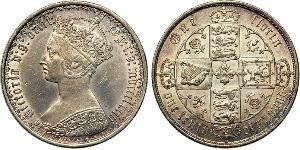
- The Florin and Half-Crown: During the mid-nineteenth century, these coins featured elaborate engravings of Britannia sitting beside shields. The half-crown was often minted with a portrait that depicted the monarch in full regalia while the reverse displayed the coat of arms.
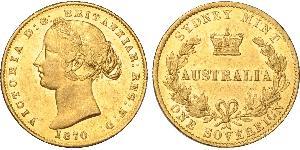
- Sovereigns: These gold pieces were struck for international exchange and private use alike, not just as currency but as status symbols. Their designs remain consistent enough over hundreds of years to serve a collector's interest in provenance rather than rarity alone.
- The Decimal New Pence Series: Introduced during the 1970s reforms, these silver and copper coins marked the modern era for British collectors, featuring simpler iconography reflecting the industrial age designs of that time.
Cultural Legacy
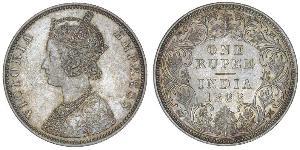
Beyond economics, coinage serves as a reflection of national identity. The image of Britannia on the reverse is not merely an allegory but represents naval dominance and maritime resilience—a concept embedded deeply within British culture throughout imperial history.
- Symbols of Sovereignty: Royal cyphers, heraldic shields, and crowns serve as continuous threads connecting past monarchs to present collectors. They reflect continuity despite modern political changes or shifting international powers.
The face placed on a coin in any era communicates the values held at that time: strength during wartime, peace during peacetime summits, or prosperity when trade was booming. The evolution of these designs allows students of history to see how national character is preserved in metal without needing words.
- The Royal Image: Portraits change over centuries due to new artistic styles and technologies like photography influencing engraving methods, yet the face itself remains a unifying symbol across generations.
This cultural significance is why collecting British currency matters. Each piece of metal in one's collection carries within it echoes from historical battles won without firing a shot, treaties signed at sea ports and economic decisions that shaped modern finance systems worldwide. The preservation of these items ensures future historians can study the transition between feudal trade practices and industrial capitalism.
For Collectors
- Investment in History: Every coin tells a story about when it was minted, who ordered its production, and how technology evolved during that period. It is less an investment purely for profit but rather a study of human creativity under state authority.
The historical significance remains vital because these objects bridge the gap between everyday commerce and high politics. While modern collectors may focus on rare dates or gold premiums, those who appreciate this specific regional legacy understand that value is also found in rarity of design, context of minting conditions during wars or peace treaties.
- Caring for Your Collection: The patina and condition reflect the journey these items have traveled. Protecting them preserves their ability to educate new generations about global trade history starting from this island nation's perspective in London, Edinburgh, Windsor Castle, or other relevant sites.
In conclusion, understanding coinage provides a window into how nations operate economically and culturally. The United Kingdom's contributions offer endless material for study regarding design aesthetics throughout different artistic movements like the Art Nouveau influence seen on late-century silver issues versus classical styles from earlier centuries. For those passionate about history or financial artifacts alike, these items serve as enduring monuments to stability in an often unstable world.