| View |

 British Virgin Islands
| British Virgin Islands | Link to Wikipedia |
British Virgin Islands: History, Coinage and Collectibles
Welcome aboard a journey through the Caribbean seas where history is etched into every shoreline and coin in hand. The British Virgin Islands offer a fascinating narrative for collectors who appreciate depth over mere catalog pages. To understand these tokens of trade, one must first understand the archipelago itself: an island group defined by volcanic origins, rugged terrain, and its pivotal role within the broader West Indies economic sphere.
Historical Background
The story begins with indigenous settlement around 100 BC, where Arawak communities thrived before European contact. When Christopher Columbus arrived in 1493 under his second voyage to America, he named the land after Saint Ursula and her virgins, establishing a legacy that would persist for centuries through various colonial powers including the Spanish, Dutch, French, and Danish.
The British established permanent control on Tortola by 1672 following capture from the Dutch. For much of this era, the territory functioned as a strategic possession rather than an agricultural giant initially. However, sugar cane became the primary crop in the eighteenth century, driving massive importation of enslaved labor and creating a robust demand for reliable currency to facilitate international trade.
The economic landscape was volatile by nature; hurricanes frequently battered these islands throughout history, disrupting production cycles that depended on imported goods paid for with foreign coinage. The abolition of slavery in 1834 further altered the economy, causing significant decline until diversified sectors emerged later. By the mid-twentieth century, the territory had shifted away from traditional agriculture to become a leader in financial services and tourism.
This transition fundamentally reshaped monetary needs. As trade linkages strengthened with neighboring regions—specifically across the sound separating these islands from Puerto Rico—the economic dependency on United States commerce grew profound. This historical context set the stage for specific numismatic developments, moving away from traditional British Empire silver standards to a tighter connection with American financial networks.
Currency and Coinage History
In the early years of permanent settlement, Spanish pieces of eight and subsequent British Crown coins circulated freely. These were not produced locally in significant volume but rather imported by merchants from London or other colonial hubs to support the sugar trade logistics.
A pivotal moment for currency collectors occurred during 1959. Economic integration with nearby territories encouraged the adoption of United States dollars as legal tender within the British Overseas Territory framework. This move was crucial, aligning local commerce seamlessly with regional neighbors who had already transitioned to American monetary standards following their own independence from Danish rule.
The introduction of this currency marked a departure from earlier colonial issues that featured imperial portraits and heavy silver content typical of the 1800s West Indies. By the late twentieth century, coinage circulating within these islands was predominantly foreign-minted United States dollars or specific Commonwealth pieces issued by authorized mints.
This period represents significant interest for numismatists because it coincides with the transition from agricultural risk management to a service-based economy stability. Later decades saw various commemorative releases, allowing collectors to acquire issues that celebrated local geography and achievements without needing access to ancient colonial stock.
Mints and Coin Production
The coins of this region were traditionally produced within the Royal Mint facilities in London or specialized mints serving the Caribbean sector. Before adopting independent minting for circulation, these territories often utilized authorized overprints on foreign blanks during transitional periods to signify local authority.
Today, many modern pieces are struck at major Commonwealth workshops like those in Canada or Australia, utilizing high-quality relief and proof processes designed specifically for collectors rather than general commerce. This production strategy reflects the territory's evolution into a service hub where value was preserved through stability and international recognition rather than volatile agricultural exports.
The design philosophy shifted away from generic imperial iconography toward local motifs inspired by the rugged volcanic peaks, turquoise waters of Road Town harbor, and native wildlife like sea eagles. These artistic elements distinguish pieces found in modern catalogs or auction listings as unique tributes to a specific cultural identity rather than mere currency units.
Notable Coins
- Prior to 1959 Crown Pieces: Early circulating silver coins from London were essential for paying port duties and importing sugar supplies. These pieces feature standard British obverses of the reigning monarch but carry specific dates relevant to Caribbean trade periods.
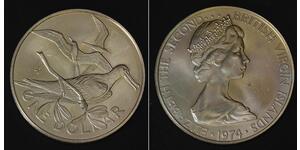
- The Transition Dollars (circa 1960s): Issued as official currency or authorized circulating notes converted into coinage equivalents, these represent a unique era where local governance took shape while economic dependence on North America deepened. They are significant for showing the bridge between imperial and republican standards.
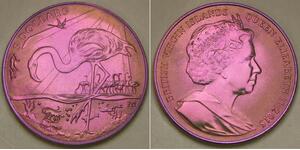
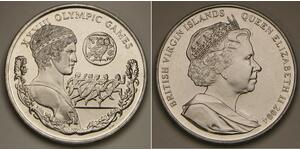
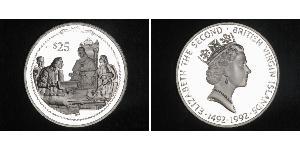
- Modern Commemoratives: Following 1970s autonomy changes, special silver or gold coins were issued to mark tourism promotions or specific historical anniversaries. While legal tender may often be USD from other sources in this region due to proximity to Puerto Rico, limited runs made for collectors hold distinct numismatic value.
In addition to standard coinage, the territory maintained a strong relationship with postal history following directives issued by British government memoranda regarding postage. While not strictly coins, these stamps reflect the same economic integration and serve as complementary items for serious enthusiasts collecting Caribbean colonial ephemera.
Cultural Legacy
The monetary instruments used in this archipelago have evolved alongside its cultural identity. Early currency reflected imperial ties through monarch portraits; later issues celebrate indigenous heritage, maritime strength, and the specific geography of islands like Tortola and Anegada.
Designs now often depict scenes from daily island life—fishing vessels navigating sheltered harbors or historic forts overlooking coastal defenses established during periods when pirates threatened regional commerce. This evolution ensures that each issued coin carries a piece of visual history, transforming what might be mundane currency into a narrative about survival and prosperity.
For Collectors
The British Virgin Islands remains a valuable addition to the numismatic portfolio for those interested in colonial heritage within the Caribbean. While circulating United States dollars are available from any major bank today, collectors should focus on pre-1959 imports and special authorized limited issues.
Serious hobbyists will find value not just in market values but in rarity of specific early dates or commemorative runs that honor local achievements such as hurricane resilience, tourism milestones, and maritime safety. The territory's history of shifting control—Dutch, English, Danish neighbors—all contributed to a monetary landscape rich in variation.
Ultimately, the numismatic significance lies in how these tokens track economic stability across decades of transition from slavery-based agriculture to modern financial service hubs. Acquiring pieces that feature specific local artwork or early trade dates offers a tangible connection to the rugged beauty and complex history of this Atlantic territory where every coin tells part of its story.