| View |
| preceded by | |
|
|||||||||
 Australia (1788 - 1939)
|
|||||||||


| succeeded by | ||||
|

| Australia (1788 - 1939) | Link to Wikipedia |
Australia: History, Coinage and Collectibles
Historical Background
The story of Australia begins far from its shores, in a colonial enterprise that would eventually redefine itself as an independent nation within the Commonwealth. When British vessels first dropped anchor on these southeastern continents in 1788, they arrived not merely to map territory but to establish a penal settlement and secure trade routes for emerging European commerce. This initial period was defined by strict economic policies designed to extract resources while stabilizing currency through heavy reliance on silver from other colonies or London shipments of coinage.
The historical trajectory shifted dramatically during the era known as convict transportation, followed by a rapid transition toward pastoral economies and gold discoveries in New South Wales. These mineral rushes injected significant wealth into the local economy but necessitated complex monetary reforms to handle increased trade volumes. As the separate colonies developed distinct agricultural exports like wool, their economic independence grew stronger, culminating in federation in 1901 when they formed a single nation.
This political unification created a need for standardized currency across vast distances and varying climates. However, history is never static; World War I brought temporary monetary suspensions to protect reserves, while World War II solidified the move away from gold-backed systems toward fiat currencies supported by government policy. The final decades of British imperial rule saw Australia asserting more autonomy in its economic affairs. Understanding this background is vital for a collector because every coin minted during these periods reflects specific geopolitical anxieties and triumphs.
The culture evolved alongside the money, transitioning from an outpost mentality to a distinct national identity that would be proudly represented through symbols like native fauna on later issues. This cultural shift was not immediate; it was written into history through legislation and artistic choices made by colonial governors before they were handed over to local authorities.
Currency and Coinage History
The monetary evolution of the region mirrors broader shifts in global commerce, moving from silver trade pieces like dollars used for coastal exchanges at Port Jackson during early colonization to standardized metal coinages produced by British mints. Initially, coins were often shipped directly from Great Britain or India due to high transport costs and a lack of local infrastructure.
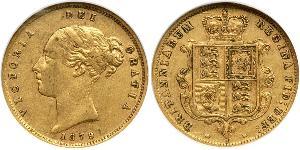
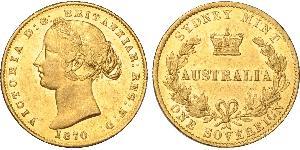
A pivotal moment occurred with the introduction of gold sovereigns into circulation locally after 1853 when Australian colonies began striking bullion for their own internal needs alongside royal warrants. This allowed collectors to trace the transition of authority over coin design from London designers directly employed by the Crown, moving toward local artists selected via government appointments.
The most significant disruption in numismatic history occurred during 1964 when Australia adopted a decimal currency system known as 'Dixie'. Before this event, coins circulated that featured pounds and shillings. The shift was not merely cosmetic but represented the end of an era where colonial British coinage definitions held power within Australian borders.
Collectors must appreciate how these reforms were driven by necessity rather than vanity; the population needed smaller denominations for daily commerce as inflation changed consumer habits during mid-century economic booms. The introduction of decimal issues replaced older metal standards but maintained continuity with public memory through recognizable shapes and metallic finishes, even if they bore new designs.
Mints and Coin Production
The Sydney Mint operated from the colonial era until 1950s closures, when responsibilities were partially transferred to London or overseas contractors. Perth eventually emerged as a dominant production center in Australia specifically due to its proximity to gold reserves held by government institutions prior to full decimalization reforms.
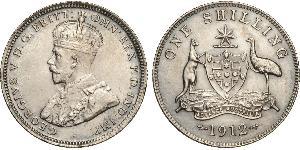
A key artistic shift occurred during late twentieth century when the Royal Australian Mint began inviting local artists rather than British commissions for portrait designs and reverse artwork on circulating coinage. This allowed designers to utilize modernist styles that celebrated abstract representations of national heritage alongside realistic depictions of native animals like kangaroos or emus.
The technology used during these changes also marks a significant historical turning point; early coins were hammered or struck using heavy presses typical of industrial Britain, whereas later decimal issues utilized computerized production lines capable of creating complex edge patterns and fine relief details that became standard in Australian coinage.
Notable Coins
The gold sovereign remains a cornerstone for serious collectors interested in the colonial era. These coins were originally struck primarily to satisfy international trade demands but also served as domestic money during periods when paper currency was scarce due to wartime printing restrictions or supply chain disruptions. Their high intrinsic metal value ensured they circulated freely alongside bank notes without government intervention.
The decimal issue of 1965 offers a fascinating glimpse into the modernization efforts that followed federation and economic independence decisions made in earlier decades. These coins feature artistic designs by Australian artists selected specifically to highlight national progressiveness, moving away from Victorian realism toward stylized representations of natural landscapes found across every state.
Another important group includes commemorative strikes issued for major sporting events like cricket tours or the bicentenary celebrations marked during 1988. These were not used in daily circulation but served as historical artifacts preserving specific dates and national milestones, making them desirable to those collecting thematic series focused on heritage events.
Cultural Legacy
Australian coinage today serves as a microcosm of the nation's broader cultural narrative. Early designs relied heavily on British symbolism because Australian artists had yet to be commissioned for sovereign work, but by mid-century independent artistic styles emerged that utilized indigenous landscapes and local fauna.
The shield found on certain denominations represents heraldic traditions retained from Commonwealth roots while new elements reflect the unique geographic environment of each state or territory. This blend allows a single piece of coinage to tell stories about migration patterns, exploration history recorded in cartography features, and environmental conservation efforts that began taking shape during mid-century government policies.
The legacy is further cemented by how museums now exhibit these pieces not merely as monetary units but as evidence of artistic evolution. Artists like Martin Whelan later became famous for their coin designs which broke conventions established earlier in the century when realistic portraits were still mandated by royal decree rather than allowing abstraction that celebrated national diversity.
For Collectors
Australia remains an important territory within modern numismatics because its currency history is a complete record of economic growth, artistic independence and political evolution from colonial outpost to fully sovereign member of the Commonwealth. Unlike many other countries where monetary records might be fragmented by complex historical divisions over land rights or borders, Australian coinage presents a linear progression toward national unity.
The variety available for acquisition spans rare gold bullion issues minted during mining rushes as well as modern decimal sets representing everyday commerce from every year since the 1960s. For those studying monetary history or seeking to preserve art pieces that document how nations define themselves through physical objects, these items offer rich opportunities for research and appreciation without requiring market knowledge beyond understanding historical context.
Focusing on condition grading alongside thematic significance allows collectors to build meaningful sets that tell a coherent story about the region's journey from settlement days. The coins reflect deep cultural connections between people of different backgrounds who built modern society together, making these artifacts valuable educational tools for museums and private scholars alike interested in numismatic studies.