| View |
 Australia


| Australia | Link to Wikipedia |
Australia: History, Coinage and Collectibles
Historical Background
The story of Australia is one written across a vast continent, rich in natural resources and shaped by ancient indigenous cultures before the arrival of European settlement. The land itself, officially known as the Commonwealth of Australia, spans more than seven million square kilometers, creating an environment that ranges from harsh deserts to lush tropical rainforests along the coastlines. This geographical diversity has always influenced how people interacted with one another and their surroundings. Before the British colonisation began in 1788 at Sydney Cove, the region was inhabited by Indigenous peoples who had maintained a continuous culture for tens of thousands of years. These societies were deeply connected to the land through oral traditions and practices that valued sustainability.
The transition from a penal colony into an independent nation fundamentally altered the economic landscape, creating wealth primarily through wool exports and gold rushes which would eventually drive local currency production. By 1901, when six former colonies federated to form the Commonwealth of Australia, the political unity required a unified monetary system as well. While early settlement relied on imported coinage from Great Britain or private tokens due to the logistical distance across the ocean, the growing economy demanded robust infrastructure for commerce. The shift towards responsible government in each colony by 1890 allowed local assemblies to begin minting their own currencies and establishing distinct administrative boundaries that would later appear on national currency notes and metal issues.
Currency and Coinage History
The evolution of money in this region reflects the broader journey from a colonial outpost to an industrialised nation. In its earliest days, commerce was conducted using British shillings and sovereigns brought by ships or traded with local Indigenous groups who relied on bartered goods rather than metal currency initially. As trade relations expanded across Asia-Pacific, particularly for wool shipping and gold extraction, the need for a stable domestic economy grew urgent.
A critical turning point occurred during the mid-nineteenth century when the discovery of substantial gold deposits along the eastern seaboard created massive economic shifts. This wealth necessitated improved banking systems where metal coinage served as primary medium of exchange before paper money was widely adopted in modern times. Following federation, Australia retained its connection to sterling currency standards for many decades but began seeking full monetary independence from London.
The most transformative change occurred with decimalisation in 1966, a reform that replaced the traditional pounds and shillings with dollars and cents based on metric measures of value similar to those used internationally. This move aligned Australia's currency system with global trade partners like Japan or New Zealand but also provided new artistic opportunities for designers who could depict national symbols without being constrained by old imperial hierarchies.
Mints and Coin Production
The physical location of coin production has played a significant role in distinguishing Australian collectibles from those produced elsewhere. While early settlements used coins minted under Royal Charter at Sydney, local facilities gradually became more sophisticated over the nineteenth century. The establishment of government-run mints allowed for high-volume strikes necessary to meet consumer demand across such an expansive population.
Traffic flow between coastal cities ensured that silver and gold bullion could be moved efficiently from mines or imported sources into foundries where metals were hammered, stamped, and polished by skilled artisans. The Sydney Mint was central in maintaining quality control before technological advancements allowed modern production centers to emerge closer to industrial hubs.
The artistic characteristics of Australian coinage distinguish it from that of the United Kingdom or Canada through its emphasis on wildlife imagery rather than purely classical figures found elsewhere during similar eras. Mints utilized advanced technologies such as letterpress engraving for high detail in portraits and landscapes while also experimenting with minting techniques to create proof coins reserved for collectors.
Notable Coins
Certain issues stand out from the vast sea of metal history, representing pivotal moments or artistic achievements:
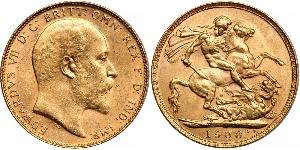
- Sovereigns during Gold Rush Era: Produced shortly after mid-nineteenth-century gold discoveries. These were struck primarily in London but later locally where available. The sheer size and purity of the bullion used gave them status as primary store of value rather than simple small change for daily shopping.
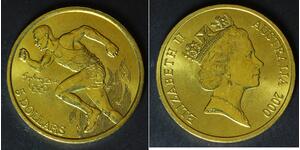
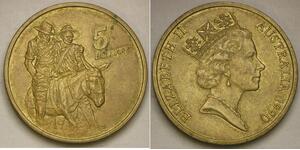
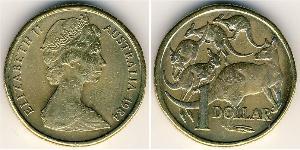
- Decimal Coinage Series (1960s onwards): Featuring images like the emu or kangaroo on half-dollar denominations, these coins mark independence in design language. They celebrate national fauna directly and reflect a desire to visually separate local currency from British models previously inherited.
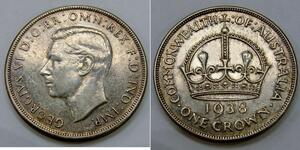
- Federation Issues: Coinage released near 1901 celebrated political union with designs featuring shields or crests representing the new states joining together under one banner for international trade representation purposes.
The Walking Kangaroo design on various silver denominations remains particularly popular, noted for its bold relief that captures movement in static metal. Collectors often seek these examples because they were minted just before decimalisation transition periods where errors or alternative proof strikes occasionally appeared due to rush production schedules.
Cultural Legacy
The coinage serves as a permanent record of how national identity formed alongside cultural values. Early designs honored the Crown and British heritage during colonial times, but later iterations shifted focus toward Indigenous history where appropriate or simply towards natural wonders unique to that geography. The inclusion of Aboriginal figures on more modern legal tender reflects evolving recognition of their status within society.
Federal symbols found on currency demonstrate unity without erasing diversity between states like Tasmania or Victoria which had different industrial histories reflected in local coin strikes before full federal standardisation took hold globally. This blend allows history enthusiasts to see how economic necessity drove cultural expression, where the need for gold and silver production funds were balanced with artistic ambitions.
For collectors
This region remains important today because every piece of metal represents a story about wealth redistribution or political independence across centuries. While many countries share similar historical ties to British colonial pasts, Australia offers unique numismatic narratives driven by its own geographical features and self-governance timeline.
The condition of these collectibles varies widely depending on how well preserved they are after circulation decades ago. For those seeking educational pieces about trade history or early industrial wealth generation within an inhabited continent in the southern hemisphere, finding mint-condition examples provides tangible access to events like federation milestones or major gold discoveries that shaped global markets.
The enduring appeal lies not merely in financial worth but in historical significance preserved through high-quality metal and craftsmanship. Owning these items allows enthusiasts to physically hold fragments of history regarding how a nation grew from settlement into modern middle power status with rich artistic heritage represented on currency for over a century now within international markets.