

|
|||||||
 USSR (1922 - 1991)
|
|||||||


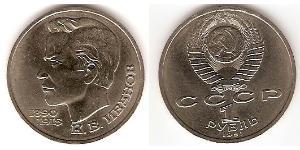
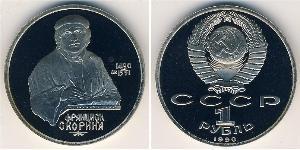
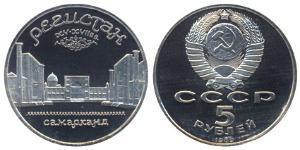
| USSR (1922 - 1991) | Link to Wikipedia |
Soviet Union: History, Coinage and Collectibles
The story of the Soviet Union is one of profound transformation. From its inception following the collapse of imperial rule to its dissolution after four decades of statehood, this entity shaped global geopolitics in ways that resonate through history books today. However, for collectors and numismatists, the physical artifacts left behind offer a tangible connection to an era defined by radical change. These coins serve not merely as currency but as miniature museums of their time, capturing artistic trends, industrial capabilities, and political sentiments within metal strikes.
Historical Background
The narrative begins in the aftermath of World War I and a period of profound social upheaval across Eastern Europe. Following 1922, the Union was formed as an alliance of Soviet republics centered around Russia, marking the end of centuries of monarchical governance within these borders. The early decades were defined by rapid industrialization and attempts to build a new economic infrastructure from agrarian bases.
Economic priorities shifted dramatically during this time. The state sought stability in trade relationships with neighboring nations while maintaining strict control over internal distribution. During the Second World War, known locally as the Great Patriotic War, the economy reoriented toward total mobilization for defense spending and post-war reconstruction needs that would influence currency policy for generations.
Culturally, this period was defined by Socialist Realism in art and architecture, which permeated government issues. The nation built itself through a combination of heavy industry and collective agriculture, a theme central to national identity. This dual focus—industrial might and agrarian community—is visible across decades of history without needing modern political interpretation.
Currency and Coinage History
Money in this region evolved from the diverse currencies used by former tsarist provinces into a unified system under Soviet administration. The early years utilized silver-based denominations to establish trust between republics, but as inflation rates fluctuated with industrial policies, the composition of coins changed frequently.
In 1961 significant reforms aligned currency value closer to gold standards before shifting again due to economic pressures in later decades. Collectors will find that coin production was strictly regulated by state committees regarding both minting and issuance schedules.
The primary unit was the ruble, divided into one hundred kopeks. While large notes were common for high-value transactions, coins provided change essential for everyday commerce at shops and markets throughout the vast nation. Production methods adapted to industrial capacity changes over time, utilizing copper alloys early on before introducing silver components in specific denominations.
Mints and Coin Production
The State Mint served as the primary facility where these numismatic objects were struck across multiple decades. While various republics possessed local mints initially for their own needs, production centralized under a unified Soviet standardization program to ensure consistency in weight and diameter.
Minting traditions emphasized durability yet simplicity, reflecting the era's utilitarian focus on mass utility rather than decorative excess found elsewhere. Technologies were adopted that allowed high volumes of strikes necessary for large populations with vast networks requiring daily circulation items.
The dies used during this period often featured distinct styles depending upon leadership changes and artistic eras within government commissions. Die erosion from repeated use meant some issues show signs of wear or striking characteristics that can be analyzed by experts to date specific production batches without relying solely on calendar dates stamped directly onto the obverse.
Notable Coins
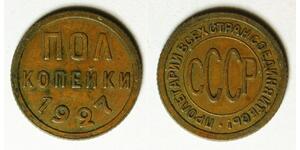
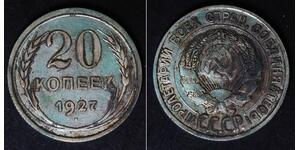
Certain types stand out for their historical resonance and aesthetic quality. The early silver kopeks issued prior to 1940 represent a high point in metallic content availability before wartime resource constraints forced changes during global conflict periods.
- The Early Silver Kopek:
This coin features designs celebrating labor and industrial progress. The metal was often recycled silver sourced from various channels, making it a practical yet valuable medium for the working class population of that time.
- The Great Patriotic War Commemoration Issues:
Pieces struck specifically during wartime or immediately following victory often carry symbolic imagery relevant to national resilience. While many circulated widely, specific issues with unique die combinations hold significance among those who appreciate the narrative of survival and reconstruction.
- The Gold Commemorative Series:
Latter periods introduced gold coins commemorating Olympic events or centenaries. These pieces were strictly limited to non-circulation use, meaning they are primarily collector items that reflect the state's ability to produce bullion quality currency for international audiences rather than domestic trade.
Cultural Legacy
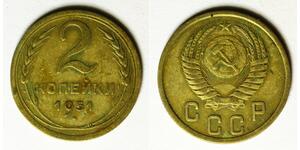
The visual language on these coins tells a specific story about societal values during their issuance. Themes often included industrial machinery alongside agricultural motifs, emphasizing self-reliance and unity among diverse populations within the union borders. Heraldic symbols represented new ideals of collective progress rather than hereditary royalty or traditional monarchies that characterized European history previously.
The artistic style known as Constructivism influenced border designs in some early issues before Socialist Realism became dominant across all production lines later on. Collectors who examine these surfaces see a transition from revolutionary zeal toward peaceful construction narratives and finally to the grand celebrations of state anniversaries near the end of existence.
For collectors
This legacy remains important due to its distinctiveness within global numismatics compared to other nations of that era. Understanding historical context helps buyers appreciate rarity factors beyond simple weight measurements or metal purity data often listed in modern guides for investment purposes alone.
- Educational Value:
Possession of such items allows individuals to hold tangible links to a world where national borders and political systems changed drastically under the influence of industrial revolution dynamics. Each mint mark represents a specific point in time when policy decisions altered production requirements.
- Historical Significance:
The coins provide an unfiltered look at how economic theory was translated into tangible currency objects for everyday citizens. They are educational tools that illuminate the intersection of history, art, and economics without requiring reliance on political analysis or external commentary.