| View |
| preceded by | ||||
|
||||

 Armenia (1991 - )
|
||||||||
|


| succeeded by |
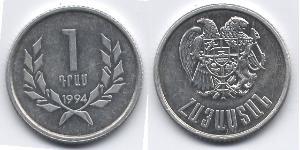
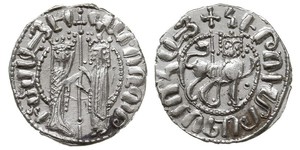
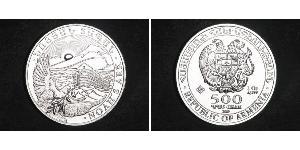
| Armenia (1991 - ) | Link to Wikipedia |
Armenia: History, Coinage and Collectibles
Welcome to our gallery dedicated to the numismatic heritage of Armenia. To understand the coins that bear its name is to witness a narrative written not in stone alone, but in precious metals and bronze alloys carried along ancient trade routes.
Historical Background
The land known today as Armenia sits at a strategic crossroads between East and West, where empires rose and fell over millennia. Its history is one of continuity rather than mere succession; the civilization here persisted through Roman, Persian, and Byzantine spheres without losing its distinct identity.
This region was inhabited by ancient states like Urartu long before modern boundaries were drawn or names applied to it. However, when we speak of coinage, our timeline begins in earnest with the Kingdom of Armenia under Arsacid rule during the first century AD. This period is crucial because it represents a fascinating synthesis where local kings navigated between Roman and Parthian influences.
The cultural landscape shifted dramatically around 301 AD when Christianity was adopted as the state religion, one of the earliest nations to do so in world history. For coin collectors, this moment offers an incredibly rich transition period; it marks a time where pagan motifs were slowly replaced by Christian imagery while retaining Roman styles and weight standards.
This early embrace meant that money circulated here became a unique tool for disseminating religious ideas long before the printing press existed. Merchants traveling along the Silk Road would carry these coins, taking symbols of faith out to distant lands where they never expected them to appear. The economy remained dependent on regional trade networks rather than centralized banking systems found elsewhere in Europe at that time.
Currency and Coinage History
In the early centuries AD, Armenia followed a standardization process similar to its neighbors but maintained unique minting privileges often granted by Roman emperors or Persian kings. The silver drachm was the most common high-value coin used in commerce during this era.
Monetary systems were volatile here due to shifting political control; at times, local mints produced currency based on Roman specifications but with Armenian obverses. When Rome's grip loosened or Persian influence strengthened, the metal content and iconography would change almost overnight without formal declaration. This lack of strict central banking regulation meant that during specific periods in the fourth through sixth centuries AD, coin quality fluctuated significantly.
This variability is what makes Armenian numismatics compelling to experts who study economic resilience rather than just catalog numbers. In times when trade was flourishing, silver content remained high and mints operated with artistic precision. Conversely, political instability during conflicts or dynastic struggles often resulted in debased coinage made from cheaper copper alloys.
Mints and Coin Production
Mints and Coin Production
- The primary centers of production were located within major cities that served as hubs for regional commerce. While specific locations are sometimes debated, they consistently appear in the western Armenian highlands or along key trade corridors.
- Dies used during these periods showed a distinct artistic style often blending Western Greco-Roman traditions with Eastern ornamental motifs found throughout Persia and beyond.
- The technology of striking evolved slowly through centuries. Early coins were hand-struck, allowing for slight irregularities that add to their individual character today rather than detracting from their historical value as artifacts.
Metal quality depended heavily on available ore sources nearby or imported bullion prices. Collectors often note the difference between pure silver pieces issued by kings who were closely allied with Rome versus copper issues circulated during local uprisings where metal supply was limited but demand for small change remained high in markets.
Notable Coins
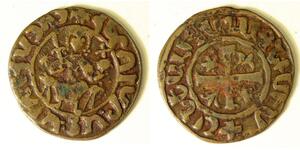
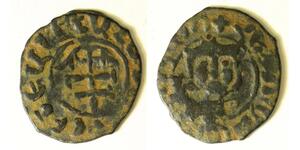
The early drachms of Tiridates I are perhaps the most iconic introduction to this collection. These coins feature a laureate bust that pays tribute to Roman standards while retaining Armenian inscriptions written vertically or horizontally depending on current preference at minting time.
A key piece for any serious enthusiast would be the late fourth-century issues following official adoption of Christianity as state religion before it was fully integrated into regional Byzantine law. These are rare, especially when they display cross-bearing imagery that does not yet conform to later standardized Orthodox types but still features local saints or protective symbols unique to the region.
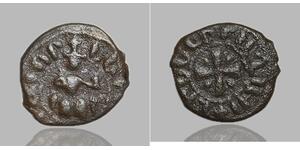
Finding examples from earlier periods shows how the lion symbol—a powerful heraldic figure in Armenian tradition—was used alongside eagles and other beasts. These designs were rarely copied exactly, allowing for subtle variations across different regions of production that help historians map trade flows without needing textual records alone.
Cultural Legacy
Beyond economics, these coins served as ambassadors to the outside world before mass communication could reach them. The imagery chosen by mint directors was deliberate; they wanted visitors from Rome or Byzantium to leave with an impression that this land valued independence even while acknowledging suzerainty.
For Collectors
This area of numismatics continues to offer deep rewards beyond mere rarity. The historical significance lies in its ability to stand as a testament to cultural survival through changing political regimes, which remains relevant today for collectors who appreciate resilience over simple scarcity.
- Silver coins from the classical periods often carry weight characteristics distinct enough to authenticate against fakes common on secondary markets.
- Focusing less on exact catalog market values encourages buyers to appreciate the craftsmanship behind each die cut rather than treating them as commodities.
Serious collectors can find pieces that connect ancient heritage directly into later modern issues found during early independence periods before current controversies arise, ensuring focus remains strictly on art history. Understanding these symbols and designs connects you with thousands of years of human trade along the Silk Road without needing extensive background reading from outside sources.