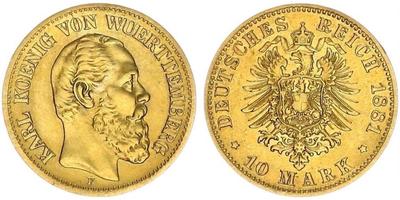
| View |

 Estonia (1991 - )
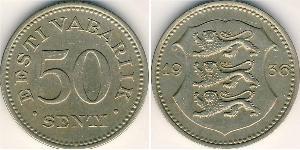
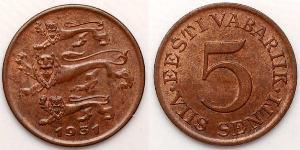
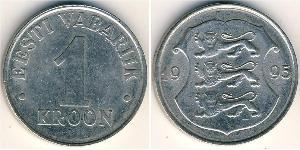
| Estonia (1991 - ) | Link to Wikipedia |
Estonia: History, Coinage and Collectibles
Welcome to a journey through time aboard the Baltic Sea, where trade winds guided galleons laden with amber from Pärnu coastlines toward Western European markets. Today we explore Estonia not merely as an island of history on the map, but as a repository of numismatic artistry and economic resilience found within its coins.
Estonia occupies a unique geopolitical corner at the eastern end of the Baltic Sea. For centuries, this region was often described in foreign tongues, shaped by powerful neighbors who dictated local monetary policies rather than issuing their own currency until the early twentieth century. To understand what Estonia has produced to collectors today requires us first to travel back through its turbulent history and economic evolution.
Historical Background
The story of this land began with a unique blend of indigenous culture, crusading orders, and commercial dominance from across the ocean. The region was part of the medieval Hanseatic League in its most powerful form during the late Middle Ages. It is here that coinage arrived first not through minting, but through trade imports; German coins circulated widely before local production began.
In 1561, as Swedish rule took hold to organize administration and defense against the rising tsarist influence of Moscow, a shift occurred in the economic landscape. The currency systems became more centralized under foreign oversight using silver Riksdaler units for high trade volume while copper coins circulated among local merchants.
The period following World War One marked a turning point. After gaining independence from Russia amidst global turmoil, Estonia faced an immediate need to establish sovereign identity and economic stability in Europe's post-war landscape. This era was defined by currency reforms that sought to break ties with the previous Russian Imperial monetary system while establishing national sovereignty on paper and metal.
Currency and Coinage History
The evolution of money here is a narrative about transition rather than continuous statecraft for several centuries. The first independent coins bore designs depicting eagles, ships, and floral motifs that symbolized the maritime nature of this economy. These early issues were often produced in small quantities due to political instability following independence declarations.
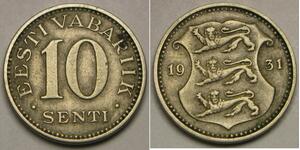
The 1920s represented a period of significant monetary stability known as "Golden Years." During these years silver denominations became common while bronze coins appeared for smaller transactions. The currency was the Kroon, which functioned much like other European units at that time but maintained distinct artistic standards through national romanticism.
The following decades brought new challenges when political realities shifted dramatically under Soviet administration in 1940 and again after regaining independence later that century. This era saw a change from silver issues to heavily circulated copper-bronze denominations which survived the economic transitions of the Cold War until joining the Euro monetary zone.
Mints and Coin Production
Unlike many European nations with ancient, continuous mints dating back centuries, Estonian coin production relied on regional centers in Tallinn or Narva depending upon administration at different periods. Under Russian rule before independence, coins were struck within the imperial framework utilizing central authorities located thousands of miles away.
The transition to local minting occurred during interwar years when independent institutions began crafting silver pieces and bronze issues that showcased emerging national identity. As a curator guiding you through these artifacts please note where designs evolved from classicist styles toward simplified Art Deco aesthetics common across Europe before World War Two.
Notable Coins
To appreciate the full scope of Estonian numismatics we must look to specific issues that define this collection genre. The first major highlight is found in silver denominations minted during early independence periods where relief work and intricate engraving were applied by skilled artists who sought to celebrate nature while maintaining artistic dignity.
The most historically significant piece for collectors likely involves the copper-bronze series featuring ship motifs from 1928 onward. These coins carry imagery of wooden sailing vessels that reference maritime heritage and trade history rather than political symbols which often change with regime shifts.
Soviet era pieces also hold interest, though they are typically found within larger regional contexts due to production at central facilities like Leningrad. They bear legends in Estonian alongside Russian script but utilize the familiar standard designs prevalent across Eastern Europe during that time period for collectors focusing on world series rather than national issues.
In modern times after joining major European monetary unions, new coins appeared featuring specific artistic interpretations of nature and ship imagery from Tallinn ports. These contemporary pieces often serve as high-value collectibles to those seeking proof or minted sets designed by international artists invited specifically for local currency projects.
Cultural Legacy
The visual language of Estonian money reflects the values embedded within its people and environment over centuries. Designs feature cranes standing tall against coastal skies, representing stability amidst changing political tides as seen throughout world history. The imagery often draws inspiration from local flora like spruce or pine forests rather than grandiose portraits found elsewhere.
Economic survival is another theme present in designs that shifted between silver and copper depending upon metal availability during global conflicts. When resources dwindled, production focused on essential circulation coins while artistic quality was maintained for souvenir issues which served as cultural ambassadors during times of economic hardship.
For collectors
Estonian coinage remains relevant to the modern hobbyist because it represents a bridge between regional identity and international monetary unity. Collectors should focus on understanding historical periods rather than simply acquiring high face-value items without context. The most valuable finds often lie in early post-independence silver denominations or specific bronze issues that showcase design evolution over decades.
As you evaluate these artifacts, consider the story each coin tells about a nation's journey from regional province to independent sovereign state and finally integration into modern European economic systems. Each metal piece preserved today carries memories of trade winds carrying amber northward toward markets far away across oceans which shaped their culture long before independence declarations.
Whether seeking proof sets or circulated items with historical significance, the Estonian collection offers insight into Baltic heritage through a lens that combines art history with economic narrative. For enthusiasts looking to expand knowledge beyond traditional European powers these coins serve as an excellent addition to broader world series collections focused on national identity and artistic expression.