| View |
| preceded by | ||||
|
||||
 Spain
Spain


| succeeded by |
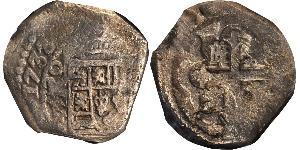
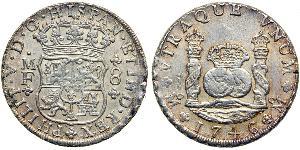
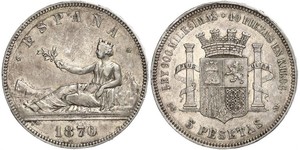
| Spain | Link to Wikipedia |
Spain: History, Coinage and Collectibles
Historical Background
The Iberian Peninsula has long served as a gateway between Europe, Africa, and the Americas, influencing global economics for centuries through trade routes that began with Phoenician merchants over two millennia ago. This geographic advantage fostered an environment where cultural exchange was constant among Greeks, Romans, Visigoths, Moors, and later Europeans from France to Italy. By the Roman era, Spain was known as Hispania, a region rich in gold mines such as Las Medulas near León which were exploited for centuries. When Julius Caesar conquered parts of Gaul, he also secured access to these riches, leading to an influx of bullion that shaped Rome's own treasury. Following the collapse of imperial rule and subsequent Visigothic control, Spain maintained its position through trade with North Africa during the 6th century before Islamic expansion introduced new administrative standards.
The Reconquista eventually restored Christian monarchies in Castile and Aragon by the late Middle Ages. This period was defined not only by warfare but also by an intense focus on establishing commercial ties, particularly after Columbus reached America. The completion of this process unified Spain under a single crown for much of its imperial expansion. Trade became vital to finance wars against France or maintain influence in Italy and Flanders during the Renaissance era when silver from South American colonies like Mexico began flooding into European ports.
Currency and Coinage History
The evolution of monetary systems within these lands was deeply influenced by external powers, particularly the Byzantine Empire which introduced early gold coin standards. When the Castilian kingdoms gained full independence over Muslim territories in 1492 through Ferdinand and Isabella, they established mints that could produce currency reflecting their own sovereign power rather than foreign imports like Florentine florins or Venetian ducats. The most significant development occurred during the reign of Charles I (Emperor Charles V) who issued standardized silver denominations based on New World shipments.
The hallmark coinage was the Real de Plata, a silver unit often struck in multiples that became known as pieces of eight among foreigners due to their weight and purity. Initially, these coins were hammered with varied designs but transitioned to machine milled standards during Napoleonic reforms which improved edge lettering for anti-counterfeiting measures. The introduction of gold sovereigns under the Bourbon monarchy followed a different trend where scarcity was high in Spain so they relied heavily on silver circulation until industrialization changed mint capabilities again.
Economic shifts often dictated coin designs and metal compositions; during periods of war bullion quality might be degraded to fund state operations. The Spanish Mint system eventually evolved from local production centers into a sophisticated network including Seville, Barcelona, Cadiz, Granada, Toledo under central royal control after 1807 when the mint in Potosi was closed.
Mints and Coin Production
The principal mints were located strategically to serve colonial commerce. The Mint at Seville played a vital role because it handled silver ingots arriving directly from New World fleets before they left for Europe via Cádiz or Ferrol ports where custom duties allowed them into circulation.
- Seville: Specialized in high-purity coinage intended specifically for overseas trade and colonial administration throughout the Americas until early 19th century independence movements altered its output significantly due to war losses.
- Toledo: Produced earlier vellon copper coins during medieval times but later focused on refining silver standards when necessary as bullion quality deteriorated from melting down older issues for industrial or military use.
- Madrid: Became central under Philip V and Charles III who moved the focus toward European trade relations after colonial independence reduced supply availability leading to stricter legal tender laws within Europe only.
Coin production technologies shifted from manual hammering where a skilled artisan might strike multiple coins manually before transitioning in France-influenced workshops to machine presses around 1740s which increased efficiency. Artistic characteristics evolved during this time too as sculptors trained in Italy or Rome began depicting more realistic portraits of monarchies including Charles III who was known for his patronage.
Notable Coins
The 8 Reales:
- Historical Context: This coin served as a major trade standard across much of the Americas and parts of Asia, often referred to by other names due to its popularity globally.
- Design Features: Early issues bore an eagle on one side with royal arms or shields on the obverse while later pieces showed Pilgrims facing left under a coat of arms that reflected specific reigns like Bourbon Kings wearing laurel wreaths around their heads.
- Collections Importance: Variations in mint marks indicate which workshop created them, helping collectors identify different regions or years and offering insight into how the crown allocated production capacity during peacetime versus wartime scarcity events.
The 1796 Potosi Silver Dollar Type:
- Historical Context: Produced before independence movements fully severed ties, this coin represents the final years when New World silver was still integrated directly into metropolitan circulation.
- Design Features: These often display a laureated profile with detailed legends spelling out weight and denomination in Latin script which is common for earlier issues but simplified later under French influence during Napoleonic occupation periods causing confusion over legal tender validity until post-1830 reforms stabilized standards.
- Collections Importance: High-quality examples are prized by historians studying early 19th century economics when trade routes between Europe and the Americas were still robust despite political tensions leading to eventual separation of colonies from Spain entirely during wars that began decades later.
The Gold Escudo under Charles III:
- Historical Context: While silver was more common, gold coinage remained prestigious for royal gifts or high-value transactions in European courts like London where merchants accepted it alongside other sovereigns.
- Design Features: These were typically smaller than British guineas and bore the monarch's portrait along with symbols of victory such as crowns representing imperial authority over territories beyond Europe including Africa or Philippines archipelagos in Pacific trading routes.
- Collections Importance: They are less frequently found today because melting demand was higher during times when Spain lost access to American gold deposits after independence wars and later French invasions destroyed parts of the treasury infrastructure across various cities.
Cultural Legacy
The coinage produced in Spanish kingdoms throughout centuries reflected a deep reverence for Catholic identity, often including depictions of Saint James or patron saints associated with different regions on local mints. The imagery shifted from purely religious iconography during earlier periods to more realistic portraits under Bourbon rule which aimed to project modernity alongside traditional piety and power.
This shift in design elements highlights broader changes within society, moving away from medieval heraldry toward neoclassical aesthetics that emphasized rationalism over mysticism. The way the coins were circulated also tells stories about trade routes; one might find American-made silver dollars with Spanish designs circulating back into Spain proper because merchants trusted them more than local issues minted in smaller towns lacking sufficient oversight or quality metal sources.
For Collectors
Collecting these coins offers a unique window into the global economic history involving empires that connected continents via oceans. Each example can tell stories of exploration, conquest, trade agreements and sometimes decline due to political unrest in Europe or Americas. Preservation techniques have improved significantly over modern decades ensuring many pieces retain original luster despite having been worn through centuries.
The historical significance remains strong for enthusiasts seeking items with tangible links to famous eras like the Age of Exploration where silver from mines funded entire armies against foreign invaders across Italy or France. While market values fluctuate, appreciation comes primarily from owning artifacts that helped define national identities and shaped currency standards used worldwide today including modern dollar systems in Americas. Studying these specimens alongside historical records about minting practices helps researchers understand how statecraft worked during times when paper money was nonexistent.
This collection represents more than mere objects of commerce; they are medals of history itself etched into precious metals that outlived the people who struck them, offering a physical record of royal ambition and imperial reach spanning centuries. For those interested in numismatics or European cultural heritage alike there is no other region with such rich variety found within Spanish coinage history alone ranging from early hammered silver pieces to intricate gold sovereigns produced during golden eras.