| View |

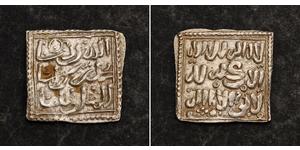
| Al-Andalus (711 - 1492) | Link to Wikipedia |
Al-Andalus: History, Coinage and Collectibles
Historical Background
The legacy of Al-Andalus represents one of the most vibrant chapters in European history, spanning a millennium from the initial Muslim entry onto Iberian soil until the fall of Granada. This region did not merely function as an island within the Christian kingdom; it acted as a sophisticated crossroads connecting Europe, North Africa, and the Middle East. The arrival of Islamic rule brought with it administrative innovations that modernized agriculture and urban planning, turning cities into wealthy centers of learning and trade.
Economic prosperity was driven by extensive merchant networks that facilitated commerce in textiles like silk, as well as luxury goods such as sugar and paper made from imported papyrus. These trade routes required a stable monetary system to manage the flow of wealth across vast distances. The culture flourished under diverse rulers who encouraged scientific inquiry while maintaining distinct identities within a broader empire structure. As time passed, political fragmentation occurred following internal divisions and invasions, leading eventually to smaller sultanates in Cordoba, Seville, Toledo, Granada, and Malaga that operated with varying degrees of autonomy before the gradual Christian Reconquest redefined borders across the peninsula.
Currency and Coinage History
In the early days of consolidation, coin production often relied on established standards from neighboring Abbasid Caliphates. However, a distinct numismatic identity quickly emerged as local authority solidified. The monetary landscape was dominated initially by gold Dinars which were used for high-value international trade and domestic tax obligations like Zakat.
- The Golden Standard: Early issues strictly adhered to pure gold standards with specific purity levels that mirrored the highest global benchmarks of the time, reflecting wealth accumulation through tribute and mining operations in southern Iberia and North Africa.
- Silver for Commerce: Silver Dirhams circulated widely among commoners for market transactions. These pieces often utilized different weight systems depending on regional preferences or merchant guild needs to facilitate smoother trade with neighboring regions along the Mediterranean coasts.
- Minting Autonomy: A crucial turning point occurred when Caliph Abd al-Rahman III shifted coin inscriptions from referencing distant Baghdad authority back to local dynastic lineage, signaling political independence and a unique identity for the Andalusian realm in its own right.
As power waned towards the end of the period, production centers began appearing under various regional rulers. The final coins produced within this historical sphere reflect a complex blend of fading empires and rising local kingdoms that utilized these ancient monetary forms to pay soldiers or mint currency for internal use long after central authority had fractured.
Mints and Coin Production
The heart of numismatic activity undoubtedly lay in Cordoba, the capital which hosted workshops capable of producing thousands of coins annually. Artisans there utilized high-precision stamping techniques that resulted in sharp details despite using hammer-struck methods common for the era. While gold was struck with greater difficulty than silver or copper due to its hardness and value, skilled craftsmen managed to create pieces where calligraphy remained legible even after heavy circulation wear.
In cities like Seville and Valencia which served major ports, mints produced currency intended specifically for trade fleets sailing between Iberia and the Maghreb. The artistic characteristics of these coins often diverged from central issues by incorporating simpler decorative borders to speed up production during peak harvest seasons or military campaigns where coinage was urgently needed.
Silver alloys were occasionally tested against pure bullion, allowing merchants who dealt in silver goods a better understanding of intrinsic value before converting into foreign currency. This practice helped stabilize the local economy against inflationary pressures from war expenses which frequently depleted state treasuries and necessitated debased coinage during times of civil strife.
Notable Coins
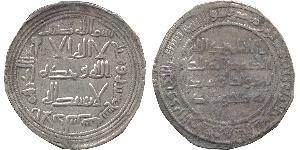
The Gold Dinar associated with Abd al-Rahman III remains one of the most sought-after items for serious collectors interested in early Islamic Iberia. These pieces are characterized by their perfect circularity and inscriptions declaring sovereignty independent from distant Caliphal lines, yet they remained within established artistic traditions.
The design features include a central medallion surrounded by an elaborate border of geometric patterns that prevented unauthorized copying while conveying wealth through size alone.
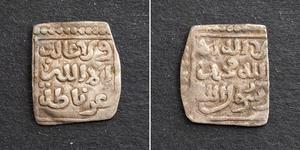
Silver Dirhams offer another avenue for exploration into Andalusian trade history. These smaller pieces show significant wear from daily use and can be used to understand how value was preserved in ordinary transactions across centuries. Later coins produced by the Marinid dynasty or during Nasrid periods in Granada introduce a different aesthetic profile that collectors recognize due to their specific historical context of final cultural endurance.
The most historically important types often bear legends that reference local saints, dynastic names, and religious declarations consistent with Islamic law regarding idolatry. The absence of human figures on later issues aligns strictly with tradition while allowing for complex script styles that require patience to decipher even today in a museum setting without modern tools.
Cultural Legacy
The coinage serves as an archaeological artifact revealing much about daily life, religious sentiment, and statecraft. Calligraphy remains the central element of design on many surviving examples because it allowed artisans to display piety through words rather than images. This focus shifted towards intricate geometric borders when text space became scarce or less legible due to production speed requirements.
Symbols such as swords placed beneath inscriptions represented authority, while architectural references like domes appeared in later designs inspired by contemporary monuments that stood tall against European rivals at the time these pieces were minted. Each denomination offered a glimpse into social hierarchy since specific metal types and weights dictated who held purchasing power or tax exemptions relevant to their status within society structures.
The enduring legacy is seen not only in physical artifacts but how these objects bridge historical divides between cultures that once lived side by side under the same suns. They stand today as silent witnesses to a time when knowledge flowed freely and commerce thrived despite political instability or external threat looming constantly over the Mediterranean basin.
For collectors
Possessing coins from this era offers a tangible connection to one of history’s most influential civilizations. While market prices fluctuate, the historical significance remains constant as each piece tells its own story about economic stability and political ambition within Spain during medieval times.
- Rarity Factor: Many original pieces were melted down for bullion use by later Christian kings after conquest, making surviving examples quite scarce in high grades today.
- Condition Sensitivity: Collectors should be aware that wear from centuries of heavy circulation often obscures legend details which can impact historical analysis or grading accuracy depending on the catalog standards used for modern comparison.
Pursuing these artifacts allows one to study a unique evolution in currency design without needing access to specialized catalogs every time. It invites curiosity about how early bankers dealt with gold standard issues, why certain inscriptions were chosen over others by royal decree during the height of power, or simply what made this region special enough for coinage traditions born there to endure even through foreign occupation and eventual disappearance from active currency usage.