| View |
| preceded by | ||||
|
||||

|
|||||||
 Francoist Spain (1936 - 1975)
|
|||||||

| succeeded by | ||||
|

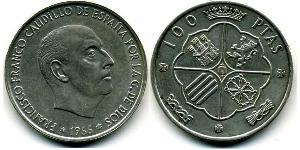
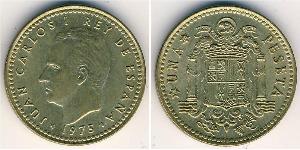
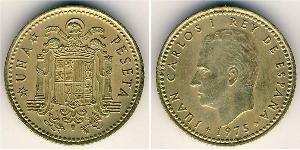
| Francoist Spain (1936 - 1975) | Link to Wikipedia |
Francoist Spain: History, Coinage and Collectibles
Historical Background
To understand the artistry of Spanish numismatics during this era, one must first appreciate the unique circumstances under which the nation emerged from civil unrest. Following a decade of profound conflict within its borders in 1936 and subsequent isolationist policies, Spain stood as an enigmatic sovereign entity separate from Europe's immediate economic integration for decades prior to the opening period. This state of relative seclusion allowed the government significant control over internal cultural narratives and their physical representation on currency.
The economy was initially structured around principles of autarky or self-sufficiency, a condition that dictated how monetary policy operated in practice rather than theoretical frameworks alone. The population relied heavily on local barter systems before official currency reform could stabilize the markets for national production. As stability returned to the Iberian Peninsula during the mid-20th century, so did the confidence of state-sponsored artistic projects.
Cultural identity became a primary focus during this period. Artistic expression was encouraged within specific boundaries that celebrated traditional heritage and agricultural roots rather than modernist experimental styles prevalent elsewhere in Europe at the time. This cultural context influenced every aspect of coin design from 1940 through 1975, creating a distinct visual language found in museums around the world today.
Currency and Coinage History
The evolution of money during this period is defined by a struggle for stability amidst global economic shifts. The primary currency unit remained fixed to historical standards while metal content was adjusted over time due to fluctuating raw material prices. Silver coins ceased minting at high face values relatively early in the century, transitioning instead toward copper and bronze denominations which circulated among ordinary citizens.
Economic reforms often dictated changes to monetary issuance rather than artistic preferences alone. When inflation threatened domestic purchasing power in earlier years of this regime, smaller denomination pieces were introduced with higher mintages to meet immediate market needs for change. Later periods saw a stabilization that allowed collectors to find examples in better condition because the demand had lessened slightly.
The introduction of standardized denominations occurred as Spain slowly reintegrated into global trade networks under European influence from the late 1950s onwards. This shift was mirrored on coin faces where older designs were gradually replaced with more modern imagery reflecting international exchange rather than solely internal propaganda themes.
Mints and Coin Production
Serious attention to production centers reveals much about technical capabilities during this era. The Real Casa de la Moneda operated primarily from established facilities in Barcelona while Madrid served as an administrative hub for national oversight. Artists employed by these locations balanced traditional neoclassical designs with simplified relief styles necessary due to limited technological resources following the earlier conflicts.
- Brazilian and other international contracts sometimes influenced design standards during years of diplomatic engagement abroad, bringing new artistic influences into Spanish studios while maintaining local control over production processes.
The physical quality of metal alloys varied significantly based on available resources throughout different decades. During times when precious metals were in short supply for international markets or industrial use, lower grade brass and copper substitutes were often utilized without compromising the state's authority or public confidence.
Notable Coins
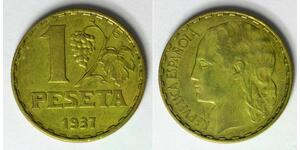
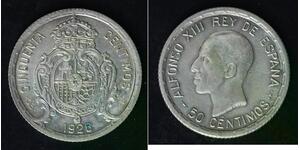
Among the vast array of denominations issued to facilitate daily transactions are certain types that capture significant historical importance. One category includes silver coins minted in earlier years, which serve as a bridge between Republican designs and those reflecting nationalist sentiment later on. These pieces often feature iconic depictions of heraldic beasts like bulls or eagles representing regional strength.
Another important group consists of commemorative medals issued for major anniversaries related to national history rather than standard circulation coins found in hand-to-hand trade today. These were often cast from higher quality silver and featured detailed engravings that would be appreciated by serious collectors seeking fine detail work alongside historical context regarding state celebrations.
The copper denominations, which formed the basis of everyday commerce for most people during this period remain highly prized by those who seek lower grade but high survival condition examples. Finding well-preserved pieces from specific years where minting slowed due to economic policy adjustments provides insight into broader financial history beyond simple face value.
Cultural Legacy
The coinage of this state remains a powerful testament to the resilience and cultural identity that defined twentieth-century Iberian civilization. Every design choice made within these studios reflected an intentional preservation of regional pride against modernizing pressures from abroad. The use of specific agricultural imagery on lower denominations highlighted the importance placed on farming as economic foundation.
Ceremonial items used for diplomatic exchanges often bore intricate work that showcased craftsmanship surpassing standard circulating currency found in pockets or bank vaults today. Collectors examining these pieces appreciate how symbols were carefully curated to represent a unified national identity while respecting local traditions associated with specific mints and production centers.
For collectors
Finding examples of this era offers more than just monetary investment; it provides access to tangible history shaped by the hands of artists working under strict conditions. The scarcity of high-grade material from certain periods makes these objects valuable historical artifacts rather than simple bank notes or standard coins. Understanding why specific designs were commissioned and how they evolved over time allows one to appreciate their artistic merit independent of modern market trends.
The enduring popularity among enthusiasts stems from the combination of stable production techniques, diverse iconography representing regional diversity across a unified state narrative, and high demand for items that tell stories distinctively without needing detailed technical analysis. This period remains essential within broader numismatics as it represents both an artistic achievement under specific historical constraints while documenting how financial systems adapted to changing global circumstances.