| View |
| preceded by | |
| Netherlands | ||||||||||||||
|


| succeeded by |
| Netherlands | Link to Wikipedia |
The Netherlands: History, Coinage and Collectibles
Welcome into our gallery of economic history today, where we explore a nation defined by its tides—both in geography and commerce. The Low Countries have long been at the heart of global trade networks, making their coinage some of the most sought-after pieces among serious numismatists. Here, beneath that flat horizon lies more than just fertile soil; it is ground where empires were born, economies shifted gears, and currency became a vehicle for power.
Historical Background
To understand why coins from the Netherlands are prized today, one must look at how this region was shaped by water. For millennia, survival required innovation in building dikes and digging channels to manage tides that threatened to swallow settlements whole. This constant struggle with nature fostered a culture of organization and trade. By 1200 BC, Celtic tribes inhabited the area, followed by Romans who established colonies like Batavia.
The region's name itself speaks to its geography—the 'Lower Countries.' Throughout the Middle Ages, this strategic location allowed merchants from here to control vital parts of European transit routes between North Africa and Northern Europe. This dominance grew through the formation of powerful city-state federations that eventually evolved into provinces within larger political structures like Burgundy.
The most transformative era for collectors is undeniably the Dutch Republic, often called the Golden Age from roughly 1609 to 1795 AD. During this time, The Netherlands functioned as a global hub of finance and commerce that rivaled even major continental powers. It was also during this period when modern capitalism began its rise in Europe. Coinage played an essential role here not just for paying wages or taxes but for international trade between merchants.
Currency and Coinage History
The development of money systems within the Netherlands followed a fascinating arc typical to early European states, yet accelerated faster than anywhere else due to commercial necessity. In earlier times, small private mints operated under local counts or city councils rather than central government oversight.
By 1408 AD, significant reforms were established that laid groundwork for what we now recognize as sovereign coinage standards—particularly in silver denominations known as guilders and stuivers. A key moment came during the Habsburg era under Philip II of Spain around late-1500s when high-quality gold coins bearing his portrait circulated widely, becoming highly sought after today.
The Dutch Golden Age introduced new financial mechanisms like the Bank of Amsterdam established in 1609 to stabilize trade. This institution didn't just mint money; it set standards for weight and purity that became globally recognized. These early reforms were crucial because without them, international merchants would have refused foreign coins due to varying weights or debasement fears—issues this bank directly addressed by providing a stable exchange medium known as 'Bankguldens.'
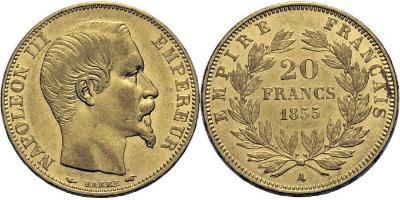
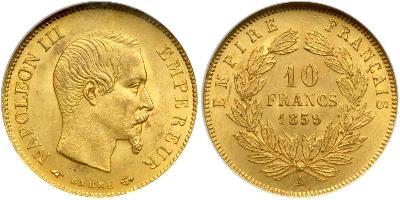
Another major turning point occurred during the late 18th century when political upheavals led to French occupation. During Napoleon’s reign, currency systems aligned closely with Parisian standards while retaining local artistic styles—a blend that collectors now cherish for its historical context.
Mints and Coin Production
The Netherlands has never been without mints of one kind or another since early centuries when private smiths began working metal. As central power consolidated, production moved from scattered centers in cities like Dordrecht to official sovereign facilities located mainly within Amsterdam.
Tourists visiting former royal palaces still admire the grand halls where coinage was once struck using advanced techniques for their time including precision dies and sophisticated rolling presses introduced later during late 1800s. Artistic design also reflects national tastes at these mints; early copper pieces often featured religious scenes or allegorical figures of prosperity while silver coins showcased maritime motifs relevant to shipping industries.
Copper denominations remained popular in everyday transactions until they were replaced by paper currency later on—a transition that mirrored other Western European nations during late 1700s. Interestingly, unlike many regions where mints closed down temporarily due to economic downturns or wars (like World War II), Dutch minting tradition maintained continuity even under foreign rule thanks mostly to demand for gold bullion backing issued by the state.
Notable Coins
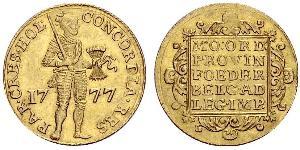
Every nation has its own 'treasures' in coin history, and The Netherlands certainly offers a rich selection. We must first discuss the Louis d’or. Issued under Louis XIII of France during late-1600s AD before being adopted by later Dutch rulers who sought similar prestige for their realm.
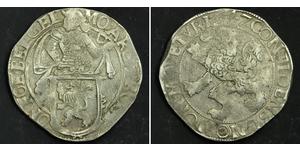
Coin collectors today highly value early Republic silver denominations from 17th century known as stuivers or schellingen. These feature elegant engravings depicting sea shells, anchors representing merchant fleets passing through busy harbors daily during this prosperous era when Amsterdam became largest city in Northern Europe by population size.
We cannot overlook copper pieces struck for domestic use within cities like Haarlem and Leiden around early-1800s. These coins are smaller but no less historically significant as they bear inscriptions referencing specific local events or municipal anniversaries—making them ideal additions to any collection focused on regional numismatics.
Besides standard circulation pieces there exists a fascinating category known collectively under 'company money.' During colonial period, entities like Dutch East India Company minted coins bearing their own emblems rather than those of local governors-general. These are particularly prized among specialists in company issues worldwide who appreciate how they reflect global trade networks extending from Batavia to Jakarta.
Cultural Legacy
The legacy of these coins lies beyond mere metal and paper—they carry deep cultural significance embedded into symbols chosen for their obverse and reverse sides. One constant theme across different eras is water, which plays dual role both threatening destruction via floods while enabling economic growth through shipping routes connecting continents.
Numerous legends from early periods depict figures holding anchors or tridents representing Neptune himself who was revered by sailors everywhere involved in maritime commerce back then. Religious influence also permeates older pieces where churches dominate skyline behind allegorical scenes celebrating civic virtues like honesty, diligence and thriftiness which were core values of Dutch society at that time.
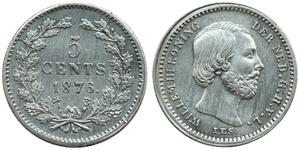
In later periods during 19th century when monarchy returned under William I, coins began incorporating royal insignias alongside traditional motifs. These blends tell us about evolving political structures without needing to read lengthy texts explaining complicated dynastic histories—yet even today we can glean how much monarchs relied on minting rights as source of income or propaganda tool depending upon context.
For Collectors
The Netherlands offers collectors a diverse range that spans many centuries, allowing for specialization in various eras. One path involves focusing strictly on rare company issues where original mints are no longer standing today but whose records show they produced specific designs during short time windows.
Rogers suggest beginning by looking at common silver denominations from 17th century first as building blocks then moving toward more scarce pieces later. Copper series offer entry point into low denomination numismatics without requiring heavy investments needed for gold coins like earlier Louis d'ors which command higher auction premiums based on scarcity.
Careful examination reveals subtle differences between issues from same mints but under different governing administrations or periods of peace versus war production conditions. Condition grading remains essential because minor wear can drastically change market value given historical significance attached to certain designs featuring famous figures or events tied directly into country’s rise as maritime superpower.
In summary, these coins serve not just as artifacts from past but active links connecting modern world back those early traders who navigated turbulent waters building foundations still standing strong even centuries later through careful documentation and preservation techniques adopted globally today among serious hobbyists worldwide collecting history one piece at a time within collections kept alive for future generations to enjoy.