| View |
| preceded by | ||||
|
||||
|
||||||||||
 Kingdom of the Netherlands (1815 - )
|
||||||||||
|
||||||||||


| succeeded by |
| Kingdom of the Netherlands (1815 - ) | Link to Wikipedia |
KINGDOM OF THE NETHERLANDS: HISTORY, COINAGE AND COLLECTIBLES
Historical Background
The story of this sovereign nation begins in a strategic and fertile region where the rivers Rhine, Meuse, and Scheldet met to facilitate maritime trade. For centuries, this territory was under the influence of powerful dynasties ranging from Burgundy to Habsburg rule. During these eras, the economic engine drove culture and art, creating an environment ripe for wealth accumulation but often subject to external political pressures.
The narrative truly transforms with the struggle for independence in the late sixteenth century following a prolonged conflict known as the Eighty Years War. The establishment of the Dutch Republic marked a pivotal shift toward republican values and commercial dominance. This transition influenced commerce, establishing Amsterdam not merely as a city but as a global financial hub connecting Europe to Asia.
A defining moment for the national identity occurred during the Napoleonic era with the Batavian Republic, which introduced French influence before transitioning into a monarchy under King Louis Bonaparte and then William I. The period following 1830 is critical in understanding numismatic history, marking the separation from Belgium while preserving shared coinage traditions until later decades.
Currency and Coinage History
The evolution of money within this borderlands followed a distinct path separate from other European powers. Initially, foreign coins circulated widely, particularly Spanish Dollars which were ubiquitous in international trade. The demand for native currency led to the minting of local silver pieces that bore national symbols.
A significant reformation took place during 1803 when William I established a new standard based on gold and silver units intended to stabilize commerce against inflation common at the time. This era standardized the guilder, replacing older fragmented denominations with unified decimal-like steps designed for easy calculation in merchant ledgers.
The coinage system evolved as political stability returned after 1830 when full union ended between Belgium and Holland regarding currency control until recent decades. Each reign introduced different standards of weight and alloy composition which remain crucial data points for collectors assessing the provenance and condition of older specimens found in private collections.
Mints and Coin Production
The capital city served as a primary center for production, employing skilled engravers whose artistic merit elevated coinage from mere metal objects to national art. The technology available at these facilities shifted over centuries from simple hand-struck issues toward milled coins that bore higher relief details.
Minting standards remained relatively high during the Golden Age and maintained throughout much of the nineteenth century. These centers produced both silver florins for everyday commerce and gold pieces reserved for treasury reserves or specific international payments like colonial tribute or diplomatic exchanges.
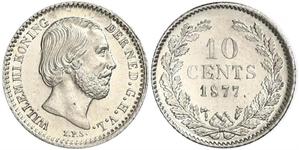
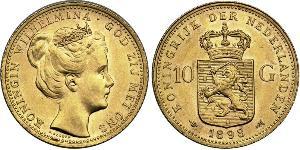
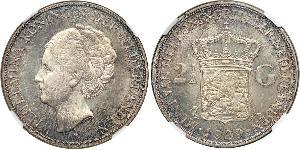
The craftsmanship was notable, particularly when artists incorporated maritime themes reflecting a nation dependent on the sea for its prosperity. Mints utilized dies that were carefully maintained to ensure legibility of inscriptions such as dates, royal portraits, and heraldic shields which carried significant weight in identifying era-specific pieces.
Notable Coins
For those seeking historical depth within a portfolio, high-relief silver florins minted around 1702 offer an excellent entry point. These pieces were designed with exceptional care and detail that distinguished them from generic trade coins of the same period.
- The Palmzilver: This famous piece was issued during the eighteenth century when a unique floral motif replaced traditional heraldry, creating a rare variant prized for its distinct design elements.
Beyond decorative features, these specific types represent a moment of national artistic expression that collectors often seek to include in complete series. The weight and diameter remained consistent within mint years but varied slightly between issues which allows advanced cataloging work based on measurement alone when documentation is missing.
Cultural Legacy
The visual language employed throughout the history serves as a testament to cultural values like stability, trade power, and royal authority. Symbols such as lions often appeared in heraldic contexts reflecting strength while ships represented the maritime backbone of the economy.
- Royal Portraits: Many series feature specific busts or full-length depictions of reigning monarchs that track fashion changes over time alongside political shifts.
The artistry involved in striking coins reflects a broader cultural commitment to quality, influencing other forms of metalwork and craftsmanship within the region. The legacy extends beyond material wealth into educational terms where children learned their identity through national denominations passed down during family transactions for generations.
For Collectors
The numismatic collection offers opportunities focused on understanding how a nation's currency evolved alongside its political history and economic strength rather than merely chasing high prices. Completing specific historical eras provides educational value as it tracks changes in weight standards, metal purity levels over time.
Rare pieces often carry documentation that links directly to diplomatic events or trade missions undertaken during major centuries of influence abroad. Engaging with this collection allows access to tangible history from an era where the world was shaped by merchants and explorers who sailed under flags carried upon their coinage denominations today.