| View |
| preceded by | ||||
|
||||

|
|||||||
| Sovereign Principality of the United Netherlands (1813 - 1815) | |||||||
| succeeded by | ||||
|

| Sovereign Principality of the United Netherlands (1813 - 1815) | Link to Wikipedia |
Sovereign Principality of the United Netherlands: History, Coinage and Collectibles
Historical Background
The story of the Sovereign Principality of the United Nations stands as one of the most poignant chapters in Northern European history—a brief but vital interlude between the shadow of Napoleonic France and the dawn of a modern constitutional monarchy. Emerging from the ashes of war, this state was born out of necessity rather than ambition following the liberation of the Netherlands in 1813. After nearly two decades of French rule under Napoleon Bonaparte, which had introduced radical financial centralization and administrative overhaul to the region, local merchants and traders were eager for a return to established order. The geopolitical landscape shifted dramatically when Prussian forces pushed back across the Rhine, allowing William Frederick, the exiled son of Stadtholder William V, to reclaim his throne.
This period was defined not only by political reorganization but by economic resilience. Under the Triumvirate that first governed before handing power to William Frederick in early 1814, trade routes were reopened and commerce slowly stabilized against a backdrop of reconstruction across Europe. The restoration of sovereignty promised an end to war-tariffs and a return to international stability for Dutch merchants who had seen their fortunes dwindle during the continental system imposed by France.
Cultural life was also in flux as the state sought its identity once more, balancing the Protestant traditions of Holland with the Catholic heritage of Southern Netherlands. This tension would shape early national consciousness but ultimately faded into a unified constitutional framework under William I just two years later, paving the way for modern economic integration.
Currency and Coinage History
The numismatic history of this transitional state is particularly fascinating to collectors as it represents a direct monetary link between the French Revolutionary period and the British-era United Kingdom. Immediately upon reclamation in 1813, there was no immediate issuance of new national coinage; instead, France's copper pieces were circulated for small change while silver trade continued largely on old Dutch Republic standards.
The shift occurred as a direct result of political changes rather than purely economic needs. The Triumvirate and William Frederick prioritized the restoration of traditional values over French revolutionary ideals in currency design. While the new Constitution was drafted to limit royal power with democratic elements, the coinage initially served more as an administrative tool—a way for merchants and governments alike to signal loyalty to a restored monarchy.
A major transition took place between 1814 and 1816 when silver florins began circulating again under William's reign. Although the Sovereign Principality was short-lived, its influence on monetary policy can be seen in how it prepared for the United Kingdom of Netherlands coinage system that would follow decades later.
Mints and Coin Production
The production centers during this era continued to rely heavily on established Dutch mints such as Amsterdam, Delft, Gorinchem, Arnhem, and Utrecht. These were historically significant locations dating back centuries. Following the occupation of France's minting facilities by Allied forces in 1813, the primary goal for these foundries was not artistic innovation but rapid restoration.
The mints operated under strict oversight to ensure high-quality silver standards that predated Napoleonic debasements. The technology remained largely traditional; dies were hand-chiselled before mechanization became common in later years of the century, meaning early post-1814 coins often carry unique "machine-made" characteristics or die imperfections typical of manual production during wartime.
Minting traditions also played a crucial role. The transition from republican imagery back to monarchical symbols required new dies that took months to create while existing stockpiles circulated through commerce until depleted. This delay is why collectors sometimes find coins bearing hybrid features—some still showing traces of previous administration before the full royal portrait was struck.
Notable Coins
Silver Florins and Stivers (1814-15)
Historical Context: These were standard denominations used for daily commerce during the early restoration period.
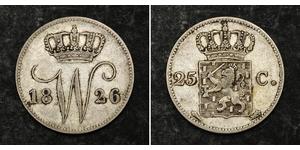
The most sought-after pieces are often small silver florins or fractional coins minted in Arnhem and Delft between late 1813 and mid-1815. They typically feature William Frederick on the obverse with an inscription referencing his return, though designs varied as new heads were cut for different mints.
Rare Early Transitional Pieces
Design Features: Often show mixed heraldry combining French arms of Napoleon III or old Dutch Republic symbols before settling into final royal portraits.
A particularly interesting group comprises pieces issued during the brief "Triumvirate" period (1813). These transitional coins may lack William’s name entirely but instead list provisional rulers, making them prized for their historical context rather than rarity in metal content.
Cultural Legacy
The coinage of this era serves as a physical record of the restoration of order after chaos. Artistic choices were conservative; designers avoided grandiosity, preferring classic portraiture and shield emblems reflecting national pride without overt royal excesses initially intended for later kings.
Symbols used included the "Dutch Lion," representing strength but also cautionary reminders against foreign interference—the French eagle had been expelled in design just as it was removed from Dutch soil. By 1815, when William I assumed full coronation title, new coins appeared featuring more elaborate heraldry and crowned heads that would evolve further under his sons decades hence.
For Collectors
The numismatic value here lies not just in silver content but rarity of surviving examples during such rapid political turnover. While many transitional issues are common, finding pieces bearing unique date varieties or mint marks from mints like Gorinchem can be challenging without expert guidance.
These coins connect the modern collector to a pivotal moment where Europe restructured its borders and currencies after decades of conflict. They serve as tangible proof that trade could resume quickly once peace was established, reminding us how artistry in metal design has always paralleled political ambition and national identity building efforts across history.