| View |
| preceded by | |
 Bulgaria


| succeeded by |
| Bulgaria | Link to Wikipedia |
Bulgaria: History, Coinage and Collectibles
Welcome to this curated exploration of one of the oldest states in Europe. As we stand before you is a narrative woven through metal and ink, connecting ancient civilizations with modern appreciation. Bulgaria has long been a bridge between East and West, making its monetary history uniquely complex for our collectors.
Historical Background
The story of this nation begins in the fertile lands around the Danube River, where it served as an imperial gateway connecting Europe to Asia Minor. The establishment of the First Bulgarian Empire by Knyat Boris I created a sovereign entity that was not merely an agrarian society but a formidable geopolitical power during its prime. The state expanded across the Balkan peninsula and thrived through trade networks that included Constantinople, Venice, and distant markets in Arabia.
- The conversion to Christianity under Tsar Boris I around 864 AD fundamentally altered societal structure and artistic production, moving away from pagan traditions toward Orthodox Christian symbolism.
- This religious shift also impacted economic policy as the state sought independence through monetary standards that asserted sovereignty rather than merely imitating neighboring Byzantine or Arab silver issues.
The region remained a crossroads of commerce long before the fall of Constantinople. During the medieval period, merchants traveled along trade routes established during earlier centuries to exchange furs, salt, and metals for silk and spices. These interactions were vital not just for survival but for economic evolution. The Ottoman era brought new administrative structures that redefined how wealth was measured in terms such as kuruş and para before independence returned sovereign control over monetary policy.
A critical turning point occurred following the Russo-Turkish wars of 1877-1878, which led to liberation from Ottoman rule. The establishment of a modern state government created an urgent need for domestic coinage to replace foreign coins that had previously circulated in local markets. This period reawakened historical pride and necessitated art styles that reflected national identity rather than purely religious or imperial iconography.
Currency and Coinage History
The evolution of money in this region is a story of adaptation to global standards while maintaining distinct cultural traits. For centuries, coins from the empire were produced imitating those of Constantinople due to shared religion but also economic necessity for trade with Byzantium. Silver denars became the primary unit of value because they contained precious metal that was universally accepted.
- The transition away from silver standards occurred during major wars when melting down bullion or requisitioning gold and silver ledgers to fund armies depleted local treasuries, causing scarcity in the market.
Independence granted a new mandate for monetary autonomy. Following 1879, legislation established that the Bulgarian state would issue its own currency rather than accepting foreign coins as legal tender exclusively within borders defined by international treaties of the late nineteenth century. The introduction of gold content into coinage in later decades aligned Bulgaria with European standards while retaining distinct artistic motifs.
The early issues from Sofia mint featured heavy silver denominations for commerce, supplemented by copper and nickel pieces for smaller daily transactions. As financial stability grew under various rulers who reigned during the modern era, mintage of gold bullion coins was authorized to represent a state's wealth in reserve form rather than circulation currency.
Mints and Coin Production
The production centers reflect both historical necessity and artistic ambition. The primary mint established later became known for its output during the reigns that followed independence, located at the heart of Sofia city where government oversight ensured high standards were maintained throughout decades of change.
- Plovdiv historically served as a hub for local trade coins before modern consolidation under central authority unified production methods across the region in the late nineteenth century.
Minting traditions shifted from casting to striking technology over centuries, mirroring advancements made throughout Europe. In earlier periods, coin designs were simple silhouettes stamped into silver sheets with Greek or early Cyrillic inscriptions used for identification of weight and authority rather than detailed portraits which came later.
The artistic characteristics distinguish the collection significantly by era styles ranging from Byzantine iconographic representations to Baroque framing and classical realism. Early coins depicted saints, local deities in stylized form before transitioning to royal effigies as political leadership became hereditary during modern statehood formation processes involving Tsars who commissioned works specifically for numismatic artistry.
Notable Coins
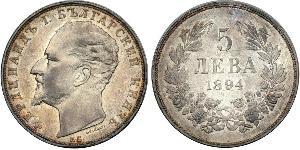
Certain pieces stand out from the hoards of silver and gold that have survived time. One particularly significant type was produced after sovereignty reasserted independence around 1879, featuring a profile facing right with national symbols on reverse including coats of arms to mark state ownership of treasury assets.
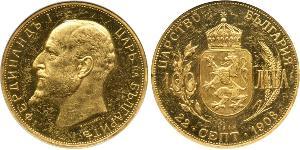
The lion designs were especially prominent during periods when Bulgaria adopted more assertive political stances in the early twentieth century. Gold pieces produced under Ferdinand I carry double-headed eagles that symbolize Byzantine legacy adapted for modern identity, often considered by collectors among high-value targets due to low survival rates of these precious metal items after World War II.
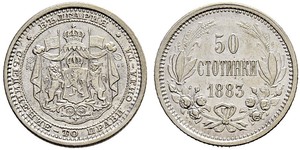
Silver issues from earlier periods show simpler iconography compared to later gold coins which were more elaborate in their detail. Collectors value early independent silver because they represent the moment when local trade shifted away solely using Ottoman currency or foreign coinage toward sovereign domestic standards that stabilized regional economy before joining international monetary systems.
Cultural Legacy
The artistry stamped onto metal carries forward history's lessons on civilization and state building. Motifs often chosen reflect national pride in the Slavic mission to bring literacy, religious freedom from foreign empires, or independence through armed struggle against occupation forces that threatened local autonomy before modern treaties.
- Cultural symbols such as Cyrillic script appearing later in coinage represent achievements of scholars who preserved knowledge during difficult historical intervals when written records might have been destroyed by invaders.
Economic stability is also reflected in denominations chosen, ensuring that common citizens could access trade goods without reliance on foreign traders for basic commerce. Coins from this period served as physical tokens connecting local agriculture and industry to broader markets across the continent through established banking networks managed by central banks formed during early industrialization.
For collectors
This nation's coinage remains a cornerstone of numismatic interest because it bridges ancient trade routes with modern economic systems. The variety available allows hunters for older issues to find unique examples from different decades or rare proofs struck in limited quantities before the central bank reformed production lines.
- Finding early independent silver offers connection to historical moments when statehood was fragile and precious metal carried dual meaning as both currency art and investment reserve assets protected against inflation during periods of war spending across neighboring nations. Collectors often appreciate these pieces for their narrative value beyond mere rarity metrics.
The enduring appeal stems from how each piece documents a phase in the national identity evolution. Whether you are examining an early silver denar bearing Byzantine influence or later gold sovereigns that mark modern independence, understanding what metal represents ensures appreciation grows deeper over time as history continues unfolding before us all today.