| View |
| preceded by | ||||
|
||||

|
|||||||
 Kingdom of Bulgaria (1908 - 1946)
|
|||||||

| succeeded by | ||||
|

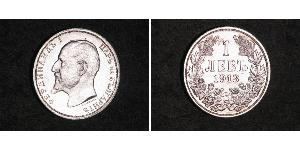
| Kingdom of Bulgaria (1908 - 1946) | Link to Wikipedia |
Kingdom of Bulgaria: History, Coinage and Collectibles
Welcome visitors, historians, and fellow enthusiasts to a journey through one of Southeastern Europe's most dynamic monetary landscapes. The Kingdom of Bulgaria stands as a testament to the resilience and ambition of its people during an era of great geopolitical transformation. Here at this station in our museum exhibit collection, we are not merely examining gold or silver; we are exploring stories of independence, unification struggles, national identity, and artistic evolution forged in metal.
Historical Background
To understand the coinage that follows these pages, one must first grasp the turbulent soil upon which they were minted. For centuries, Bulgaria existed under Ottoman suzerainty or influence following its liberation from Turkish rule by Russia and Austria-Hungary in 1878. The nation was technically a vassal state during this period, known internationally as "Principality", until Prince Ferdinand made a bold move that changed everything.
The true pivot point for Bulgarian history—and numismatics—occurred on October 5th, when the Principality declared independence from Ottoman suzerainty. This declaration transformed Bulgaria into an international sovereign state and raised it to the rank of Tsardom (Kingdom). Ferdinand became the first King in what would be known as the "Third Bulgarian Empire". Following this dramatic shift was a period defined by military ambition, often earning him comparisons to Prussia due to aggressive expansionism. The nation found itself entangled in five-sided struggles for control of Macedonia and Thrace during the Balkan Wars.
The country subsequently aligned with Germany and Austria-Hungary against Russia before entering World War I on the German side. Despite victories, it eventually switched sides near the end of hostilities. This period was characterized by intense economic hardship as well as fierce nationalistic fervor; Bulgaria sought to restore the historical borders envisioned in 1879 but failed due to geopolitical constraints post-WWI. The monarchy would be abolished in 1946 with the rise of communist rule, bringing an end to this specific era of coinage.
Currency and Coinage History
The monetary history of Bulgaria is a fascinating narrative of breaking free from foreign influence to establish distinct sovereignty. Before independence, coins minted within Bulgarian territory often bore Ottoman Tughras or Turkish inscriptions in the script used at the time, reflecting its vassal status.
In 1908, with Ferdinand's proclamation as King and declaration of full statehood, a radical numismatic reform became necessary to solidify this new identity. The first sovereign coins featured purely Bulgarian imagery for the first time in generations. These early issues marked Bulgaria' transition from an Ottoman-style currency board into a modern European power. The economy was initially driven by trade reforms and mining industries like coal, which were eventually printed or minted as paper money or metal denominations to facilitate commerce.
The evolution continued through the Great War period where silver reserves dwindled due to wartime demands of gold for international payments while base metals took over. Following WWI, Bulgaria's currency was stabilized by foreign powers with a new banknote system introduced alongside reduced coin circulation as the population struggled from economic collapse and occupation costs.
The reign of Tsar Boris III, Ferdinand' son, brought a modernization to both industry and finance. Under his rule, the economy recovered sufficiently after WWII when Bulgaria allied with the Axis powers before switching sides in 1944, allowing for new coinage production that reflected contemporary designs rather than imperial militarism.
Mints and Coin Production
The primary center of Bulgarian minting has historically been located within Sofia. The capital city housed mints capable of producing both circulation currency and commemorative pieces before the modern republic took over in 1946. While Veliko Tarnovo also held significance as a cultural hub for Ferdinand's early reign, it was the industrial capacity at home that drove mass production.
The artistic style adopted during this period often drew inspiration from German and Austrian schools of thought due to those strong political alliances in the 1908-1945 era. Artistic characteristics distinguishing Bulgarian coinage include a blend of Byzantine double-headed eagle motifs—which echo centuries-old Imperial traditions—combined with Neo-Renaissance portraiture styles popular among European royalty at the time.
The imagery used to distinguish Bulgaria's coins included royal regalia, crowns that were very similar in design but sometimes slightly modified to fit specific mint specifications. The lion head symbol of Tsar Ivan Alexander appeared frequently as a national emblem on various denominations and bullion issues. As an observer walking the halls where these pieces were created one might see how they balanced artistic ambition with practicality: heavy gold for foreign investment, lighter silver or base metal (cupro-nickel) for domestic markets.
Notable Coins
The following selections offer a glimpse into some of the most historically significant pieces that have drawn collectors to this region over decades:
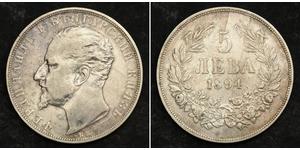
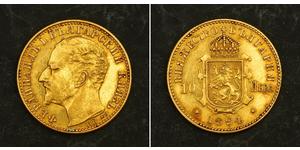
- The 1908 Sovereigns (Gold Franc/Lev): These gold sovereign coins were produced immediately after Ferdinand declared independence and crowned himself Tsar in late 1908. They are prized by collectors for their historical rarity and importance as symbols of sovereignty. The designs featured a profile portrait of the new King against an ornate, regal background often adorned with laurels or military elements reflecting his focus on army unification goals.
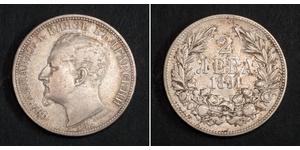
- The Early Independence Silver Issues: Following 1908, silver denominations were introduced to stabilize commerce. These coins are significant because they represent the first fully sovereign currency designs for Bulgaria without Ottoman imagery. The reverse side often features coats of arms or architectural motifs celebrating historical Bulgarian cities like Veliko Tarnovo where these events took place.
- Boris III Gold Francs and Krivoy Rog Marks: During Boris' reign, a new type of gold coin was produced that utilized bullion standards for international trade. These coins were essential in facilitating economic ties during the interwar period between Bulgaria and Western partners despite its wartime alliances. They are often collected to study how European monetary standards evolved under pressure from World War II.
- The Base Metal Coins of 1940s: By this time, circulation pieces had transitioned into copper-nickel compositions designed for everyday use. While less valuable than the gold issues due to metal content, their historical importance lies in depicting a nation trying to stabilize after years of war and shifting alliances before falling under communist rule.
Cultural Legacy
The coinage left behind by this state carries with it deep cultural weight. The portraits on the faces reflect an era where Bulgarian leaders sought legitimacy not just as princes but as legitimate successors to historical empires dating back centuries before Ottoman rule.
Symbols of religion and heritage, such as Orthodox Church crosses or Cyrillic script elements from earlier history often reappeared in modified forms (e.g., Byzantine eagles) used on official seals. The "Lion" head imagery was particularly persistent, linking the Tsardom to ancient tribal roots believed to originate before 1878.
The designs were also political tools meant to inspire national unity during times of fragmentation or external threat. For instance, coins minted for use in Macedonia and Thrace often carried different legends or territorial names reflecting Bulgaria' ambitious claims over those lands during the Balkan Wars era. This blend of religion, ancient heritage symbols like lions/ eagles serves as a fascinating example to collectors looking at how nationalistic sentiment is embedded within currency design.
For Collectors
The numismatic legacy of this country continues to captivate modern audiences today. What remains important for contemporary collecting communities are the stories these pieces hold about sovereignty and unification struggles evident in metal. A Bulgarian gold sovereign from 1908 is not just an investment; it is a tangible representation of a pivotal historical year when Bulgaria asserted its full independence from Ottoman rule.
For those interested in European numismatics, the country offers pieces that bridge Western and Eastern artistic traditions—a German influence on design coupled with Cyrillic or local motifs. These coins serve as an excellent entry point into understanding broader trends of early 20th-century Europe: the rise of constitutional monarchies, industrial minting reforms, and how economies responded to conflict.
Ultimately, these items are windows into a complex geopolitical landscape where military ambitions met economic reality on metal sheets. Whether you hold an antique piece with heavy gold content or lighter silver issues from post-war recovery efforts, each item connects the collector back to a time when Bulgaria sought its place among European powers while struggling for territorial integrity against neighbors and empires.