| View |
| preceded by | ||||||||
|
||||||||


 Ottoman Empire (1299-1923)
|
||||||||||
|


| Ottoman Empire (1299-1923) | Link to Wikipedia |
Ottoman Empire: History, Coinage and Collectibles
Historical Background
The history of the Ottoman realm stretches across centuries of expansion, governance, and cultural synthesis that fundamentally altered the geopolitical landscape between Europe and Asia. Beginning in northwestern Anatolia under a small principality known as beylik, this state evolved into one of history's most enduring empires before eventually transitioning into modern Turkey after World War I. The journey from tribal confederations to an administrative superstate was not merely political; it was deeply economic.
The empire’s wealth derived largely from its strategic location controlling the Silk Road and critical maritime chokepoints like Istanbul, linking Europe with Africa and Asia. This geographic advantage facilitated a robust trade network where gold flowed into Constantinople alongside spices and textiles from India and China. The economy relied heavily on agriculture in Anatolia but increasingly depended on commerce through the Mediterranean ports.
Culturally, the society was defined by its diversity. As an Islamic caliphate for many of its subjects to rule over millions of Christians, Jews, Greek Orthodox populations, and various tribal groups across three continents. The administration required a sophisticated system of revenue collection known as timar grants that tied land ownership directly to military service.
This centralized statecraft necessitated reliable currency systems. Trade did not stop at the city gate; merchants needed standardized mediums of exchange that moved from Cairo to Delhi and Vienna alike. It was through these daily transactions that coinage served as an extension of imperial power, ensuring loyalty across vast distances without a standing army in every village.
Currency and Coinage History
The monetary evolution within this territory reflects the broader historical trajectory from medieval feudalism to early industrialization. Early issues bore heavy resemblance to Byzantine coinage due to shared trade routes, yet they carried distinct theological inscriptions that aligned with Islamic principles.
Copper coins known by local names evolved through different weight standards over centuries, though these were often referred to as silver pennies or copper akçe in Western archives. The standard bronze piece circulated among commoners for daily food and labor purchases, while gold sovereigns facilitated international trade between the Ottoman government and European banking houses.
A significant turning point occurred during the Tanzimat era when attempts at monetary reform sought to modernize taxation systems by separating silver coins from copper standards in value. The 1840s saw major reforms introducing new denominations that replaced older heavy pieces, signaling a shift toward gold-backed currency models similar to those of London or Paris.
Taxation relied heavily on the minting capacity itself rather than just taxation law. Every coin effectively contained the state’s fiscal history written in metal form through inscriptions and dates stamped during specific years by various governors overseeing regional mints.
Mints and Coin Production
The administrative heart of the money-making machine resided within the great palaces, with production facilities maintained under strict supervision from central authorities. Istanbul served as the primary manufacturing center for official currency intended to circulate in Anatolia, Europe, Egypt, North Africa, Iraq, Algeria, Morocco, and Yemen.
Techonology shifted over time; early issues were produced using traditional hammer striking techniques where artisans manually placed metal blanks between steel dies before applying force with a heavy mallet. This labor-intensive process allowed for artistic variations but resulted in uneven thickness profiles across different denominations that collectors still recognize today when examining the physical coin.
Later reforms introduced mechanized mint presses, though many coins remained hand-made as artisans maintained traditional methods longer than anticipated by reformers who hoped to fully adopt modern machinery. Even then, calligraphic artistry demanded specific human skills that automated tools could not replicate with acceptable aesthetic standards for official state issuance.
Die-cutting became a specialized craft passed through generations of apprentices serving the imperial household. Artisans were trained in Thuluth script variations which adorned coin faces alongside geometric patterns and Islamic motifs, ensuring religious orthodoxy while displaying artistic innovation that varied regionally by city governor authority at mint headquarters locations like Topkapi Palace workshops.
Notable Coins
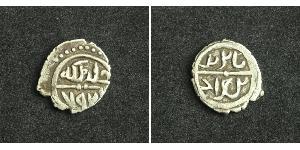
Among the most significant examples to collectors are the gold piastres known as Akçe or Scudi that circulated in international trade from the fifteenth through nineteenth centuries. These coins often bore elaborate portraits alongside inscriptions invoking divine favor for rulers such as Selim I, Suleiman Magnificent, and Mehmed IV.
The 1845 Gold Coinage represents a pivotal shift where new issues were struck with heavier gold content reflecting inflationary pressures from silver shortages. Collectors prize these for their clean designs that showcase early industrial aesthetics while retaining classical calligraphy styles used in the thuluth script tradition which remains unique to Ottoman numismatics.
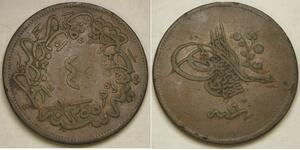
The standard bronze Akçe of any year provides insight into local economies since small variations exist between different mint regions due to differing metal quality standards or regional tax rates. These simple copper pieces carry high demand among enthusiasts who appreciate how they functioned in daily life for common people rather than just serving as royal propaganda.
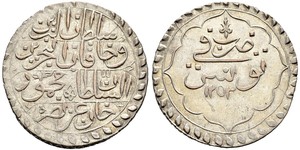
Rarer varieties include specific commemorative coins issued during major military campaigns where denominations were adjusted rapidly based on political needs and availability of bullion reserves at the central mint facilities. Early silver issues with intricate Islamic patterns often command attention due to high artistic merit compared to standard currency production methods used elsewhere in Europe or Asia.
Cultural Legacy
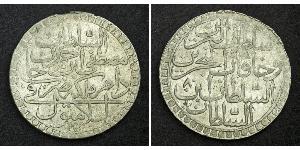
The coinage left an enduring mark reflecting broader cultural values through its iconography and text composition on the face of each piece. As with other Islamic art forms, human figures were generally avoided to adhere to strict religious guidelines regarding idolatry in visual arts during earlier periods. This resulted in heavy reliance on calligraphy which elevated script design to a central numismatic element.
The Tughra signature served as the official royal brand appearing prominently alongside inscriptions declaring sovereignty and piety from God above all earthly authority figures like sultans or pashas ruling over diverse provinces across multiple continents simultaneously via efficient communication networks established through maritime shipping lanes connecting ports worldwide.
Economic conditions mirrored directly in metal purity standards fluctuating with agricultural harvests or international trade balances affecting silver availability and supply. Thus, examining a coin can act like looking into an economic ledger of the times while enjoying visual beauty derived from centuries of artistic refinement that continue influencing modern currency designs today.
For collectors
The legacy of this historical realm remains valuable for numismatists interested in early global trade networks or Islamic art traditions. Completing a collection focused on eastern empire coins requires attention to regional variety standards where many provincial issues exist that might be overlooked when focusing solely on imperial central mint strikes.
Careful examination reveals subtle design changes over centuries that tell stories of technological evolution and administrative shifts in ways often invisible without magnification or expert study under museum lighting conditions found at major auction houses globally hosting specialized sales events dedicated to regional history pieces like these. The significance remains educational for those studying the intersection of religion, governance, commerce through metal artifacts.
Rarely encountered examples include experimental issues where new alloys were tested during times when war interrupted normal trade supply chains leading to debasement or substitution materials used temporarily until stability returned. Such anomalies add historical context beyond simple rarity metrics and offer unique opportunities for acquisition by serious historians seeking tangible links connecting global history directly held in hand at a desk.
The enduring appeal lies not merely in financial value but connection made through centuries of cultural exchange where metal coins carried messages between different faiths, languages and markets. Acquiring these objects adds depth to personal knowledge reserves regarding the world's greatest trading empires that shaped civilizations across vast geographic spans over many generations past.