| View |

 Turkey (1923 - )
| Turkey (1923 - ) | Link to Wikipedia |
Turkey: History, Coinage and Collectibles
Historical Background
The region known today as Turkey occupies a pivotal geographic position at the crossroads of Europe and Asia, often described by historians as the bridge between civilizations. For millennia, this territory served not merely as a landmass but as the central hub where Eastern philosophy met Western trade practices. The history of Anatolia is characterized by its role in major ancient empires before transitioning into the Byzantine sphere and eventually becoming the heartland of one of history’s greatest Islamic powers, the Ottoman Empire.
This strategic location fostered a unique cultural melting pot that influenced economic systems globally for centuries. Before the rise of Islam on this peninsula, trade networks were dominated by Greek city-states and Persian routes. Following the Byzantine era, commerce was heavily regulated to support imperial revenue through coinage production. As the Ottoman Empire expanded, Turkey became an essential linchpin in global spice and textile markets.
The evolution of culture here is best understood not just through architecture or literature but by observing how wealth moved across borders via currency standards that were respected from London to Cairo. The stability required for this trade often dictated changes in local governance and the adoption of new monetary policies, which are now reflected in surviving artifacts.
Currency and Coinage History
The journey through numismatic history reveals a complex progression of metal standards that mirror broader economic shifts within the region. In ancient times, Anatolia utilized coinages derived from Persian satrapal issues before adopting Greek standards under Byzantine control. The solidus or gold coins minted during this period set precedents for international commerce.
Following the Islamic expansion in the tenth century, silver became a dominant medium of exchange as trade routes shifted westward across Europe and east toward India. During the Seljuk era, high-quality silver dirhams were produced that circulated widely among Muslim traders from Baghdad to Cairo. This period established a robust economic identity independent of imperial political boundaries.
The most significant development occurred during Ottoman rule with the standardization of currency around the akçe and gold tughra coins in the sixteenth century. These reforms created a unified monetary system that stabilized commerce throughout vast territories stretching from North Africa to Central Asia. In modern times, economic restructuring introduced new systems based on paper money backed by reserves, marking another epochal change for collectors analyzing financial history.
Mints and Coin Production
The production of currency in Turkey was historically centralized around major imperial cities that served as manufacturing hubs. For centuries, the mints located in Bursa and Istanbul operated under royal decrees to ensure quality control across diverse territories. These facilities utilized advanced metallurgy for their time.
Coinage traditions evolved from simple hammered silver discs cast or struck by hand to sophisticated die-struck mechanisms imported from Venice during the later empire periods. Artistic characteristics of these mints often reflect the dominant artistic trends: early coins displayed calligraphic names, while imperial portraits gained prominence in republican era issues.
Technological advancements allowed for greater detail and precision on gold pieces issued by major rulers. Local branches also operated to supply specific military campaigns or trade needs with varying weight standards. This network of production centers ensured that the currency remained robust enough to survive centuries of circulation across different political climates, creating a rich legacy found in private collections today.
Notable Coins
A few coin types emerge prominently within this vast history due to their historical significance and design integrity. The early Ottoman gold coins struck after the conquest of Constantinople are particularly valued for marking the transfer of political power from one empire to another without disrupting economic continuity.
- Ottoman Tughras: These were high-value currency pieces often used as gifts rather than general trade. They bear the stylized signature or monogram of the Sultan and serve as unique historical documents in metal form, reflecting royal patronage directly on coins intended for dignitaries.
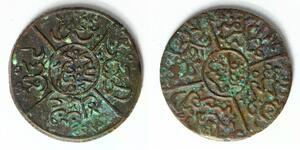
- Seljuk Silver Dirhams: Produced during the 12th century, these small silver discs demonstrate a high degree of craftsmanship that rivals contemporary European productions. They are significant because they represent an era before centralized paper money existed in the region and show trade links to India through minting standards.
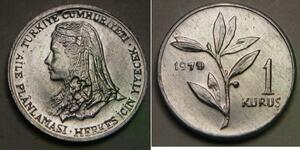
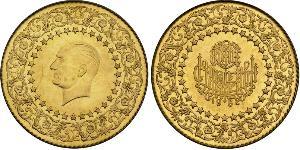
- The Golden Atatürk Issues: Minted during the early twentieth century, these coins celebrate national sovereignty without reliance on religious iconography common in previous eras. They feature portraits that transition gradually from traditional symbols to secular representation, marking a cultural shift of immense historical weight for collectors interested in political art.
Cultural Legacy
The coinage of Turkey serves as more than just currency; it functions as tangible history encapsulated within metal. Each relief, inscription, or denomination tells a story about the society that created it during different historical epochs. For example, calligraphic inscriptions on older pieces often serve prayers for safety and prosperity, while later issues focus on national heroes.
The cultural transition from empire to republic is vividly preserved in these metal objects. The symbols of sovereignty changed over time but remained tied to the landscape of Anatolia itself. This legacy connects modern enthusiasts directly with their ancestors who traversed these same lands carrying gold and silver across trade caravans that once spanned Eurasia.
Furthermore, the artistic quality found in early pieces demonstrates a high level of skill in metallurgy that remains fascinating to study today. The way light reflects off ancient minting techniques provides insight into how wealth was perceived centuries ago—as an art form rather than merely transactional utility for commerce.
For Collectors
- Intrigue: Every piece offers a glimpse into life along the Silk Road or at major trade ports where merchants exchanged goods from every corner of known civilization. The history behind each coin can provide context to auction buyers beyond market values.
- Cultural Preservation: Collecting these artifacts preserves memories of empires long gone and cultures that shaped our current world view through economic systems established over a thousand years ago.
- Historical Value: Turkey's numismatic legacy represents one continuous chain from Byzantine gold to modern republic currency. This continuity offers unique study opportunities for those seeking to understand the evolution of state authority depicted in metal form.