| preceded by | |
|
|||||||
 Kingdom of Poland (1025-1569)
|
|||||||

| succeeded by | ||||
|

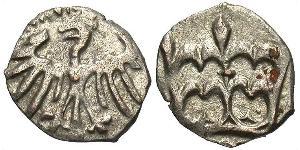


| Kingdom of Poland (1025-1569) | Link to Wikipedia |
Kingdom of Poland (1385–1569): History, Coinage and Collectibles
Historical Background
To understand the metallic witness left behind by this era requires a glance into a time when Central Europe was being stitched together from disparate feudal lands. The period beginning with 1385 marked not merely an accession of a king, but a profound geopolitical transformation. Through a dynastic marriage between Jogaila and Sophia of Lithuania, two large territories joined under one crown in what is often remembered today as the Union of Krewo. This union shifted Poland from a regional feudal state to a continental power capable of challenging the Teutonic Order’s hegemony along the Baltic coast.
Culture and economy evolved rapidly during these centuries. The kingdom became a bridge between East and West, where Latin script met Slavic roots, creating a unique intellectual environment that eventually nurtured Renaissance humanism in Krakow. Trade routes connected Italian merchants with Northern German towns via Warsaw and Danzig (Gdansk). This bustling commerce required reliability; barter systems were insufficient for high-value transactions involving grain exports to Europe or imports of fine goods from the Levant. Consequently, state authority over currency became essential to stabilize trade.
The stability achieved through these diplomatic unions allowed Poland to expand eastward and west without constant fragmentation. However, this growth brought new challenges regarding resource management. As wealth accumulated in cities like Krakow, there was an immediate demand for high-quality money that could match the standards of neighboring Italian city-states or German principalities.
Currency and Coinage History
The journey from rough local currency to standardized silver marks began well before this era but reached maturity during it. In 1390, a significant milestone was reached as Krakow minted its first gold florin, aligning the Kingdom with European monetary standards that were previously inaccessible to Eastern Europe.
- The Florin: Introduced for international trade and diplomatic payments among nobility. Its presence signaled Poland's acceptance into Western banking circles.
- The Grosz: The ubiquitous silver coin used by merchants, artisans, and the peasantry alike. It became known across Europe as a staple of commerce from Prague to Venice during this century-spanning era.
Minting policy fluctuated with state needs. When war threatened supply lines or borders opened against Muscovy or Lithuania, coins were often struck quickly by private mints using the king's approval but sometimes at lower standards than those minted in peacetime to finance military campaigns. This practice of debasement—reducing silver content—is a vital story for collectors as they seek out high-quality specimens versus wartime issues.
Mints and Coin Production
The landscape of Polish numismatics was defined by the centralization at Krakow, though secondary centers flourished. In many European capitals, mints operated strictly under mint masters who were often skilled immigrants hired for their craft because local artisans had yet to master the nuances of die engraving.
In this region, coin production involved distinct artistic traditions that set them apart from Northern or Italian neighbors. The dies—stamps used to strike coins—were frequently imported from Italy and Germany but adapted by Polish craftsmen who understood local heraldry better than anyone else could have imagined at the time.
- Krakow Mint: Considered the primary center for royal coinage, this facility set the standard for silver content across the lands. Coins from here were often larger and more detailed due to superior die craftsmanship.
- Lateral Production Centers: Cities such as Wroclaw, Poznan, or Lublin operated regional mints that struck identical denominations but with subtle differences in style or mint marks for local circulation needs. These variations are the lifeblood of numismatic discovery today.
Notable Coins
The history is preserved within specific metal discs that survived centuries of handling and wear. The most historically significant issues tell a story about who held power when money was struck.
The Royal Florin
Struck for the highest orders, these coins often bore Latin inscriptions proclaiming peace or royal glory. They were used to fund campaigns against Livonian Order forces.
The Silver Grosz deserves special attention due to its ubiquity and artistic quality during this period. Early specimens might feature a simple cross on one side, representing the religious fervor of the Catholic Church which dominated state life after 1385.
- Rare Gold Ducats: While gold was rarer in silver-rich regions like Poland, issues such as those struck during later reigns provide a glimpse into how royal treasuries were managed for foreign embassies and international banking relations.
For collectors seeking high-grade pieces from the mid-century reign of Sigismund I, they will find coins where artistry peaked. The transition between purely religious imagery to portraits wearing crowns reflected a growing confidence in royal authority over spiritual power. These specific changes in iconography on the face or tail side are critical for distinguishing pre-1569 issues from later Commonwealth types.
Cultural Legacy
The coinage of this era is a reflection of a unique synthesis of Catholicism, Slavic tradition, and Germanic administrative efficiency. Every cross depicted on the obverse or reverse was not merely decoration but a statement that Poland had become firmly integrated into Christendom alongside Italy and France.
This artistic integration extended to heraldry as well; lions representing specific territories were placed next to eagles signifying royal power, creating visual representations of national identity before modern maps defined borders. A coin struck in the 1400s or early 500s essentially served as a passport for commerce and a proof of loyalty to the King.
For Collectors
The legacy of this period remains valuable today because these objects bridge the gap between medieval history and modern statehood. They are not just metal but historical documents that validate the existence of a unified kingdom before it evolved into the Commonwealth.
A well-assembled collection from 1385 to 1569 provides insight into economic expansion, military conflict funding mechanisms, and artistic evolution in Central Europe. For serious collectors seeking authenticity and context over simple rarity value, understanding how coins fit into this historical narrative offers a deeper appreciation of the objects held.