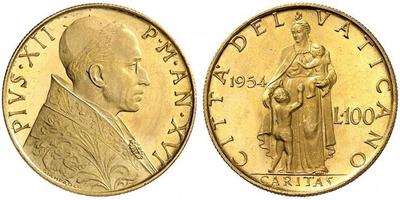
| View |
| preceded by | |
|
|||||||||
 Grand Duchy of Lithuania (1236 - 1791)
|
|||||||||


| succeeded by | ||||||
|


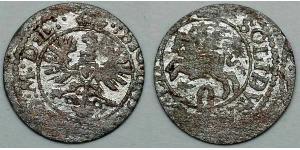
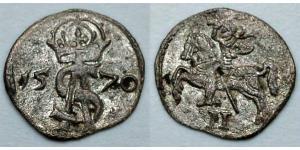
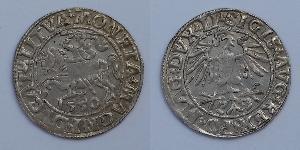
| Grand Duchy of Lithuania (1236 - 1791) | Link to Wikipedia |
Grand Duchy of Lithuania: History, Coinage and Collectibles
To the discerning numismatist and history enthusiast, few regions offer as rich a narrative of independence and identity formation as Grand Duchy of Lithuania stands among today's historical states on its own merits. While often discussed in conjunction with Poland during later centuries, its earlier coinage tells a story unique to Eastern Europe before 1795. The following guide explores the origins of this territory through the lens of currency production.
Historical Background
The Grand Duchy emerged from turbulent times when trade and territorial expansion drove economic growth in Northern Central Asia towards Baltic shores. Early leaders established diplomatic ties that allowed local merchants to flourish along the Amber Road, connecting Europe with rich deposits in Siberian lands and beyond. This geography was critical for early commerce involving furs, wax, timber, salted fish, grain, amber and even precious metals.
Culturally, the region blended Slavic traditions from western neighbors while retaining Baltic pagan heritage before adopting Christianity under Mongol pressure later on. During this time trade networks connected merchants with Hanseatic League cities in Hamburg and Stettin to major Russian commercial hubs like Novgorod through Moscow regions near Kiev lands nearby.
The economic landscape shifted when internal stability was achieved by strong rulers consolidating power against nomadic threats from the north while expanding borders southward towards Russia's frontier lines. Stability brought prosperity because merchants felt safe crossing river systems and forest paths that were otherwise dangerous for travelers without official protection grants issued to their guilds.
This era of expansion laid groundwork for coin production in Vilnius which became known across Europe by sixteenth century when it hosted mints producing silver coins recognized alongside other major European currencies. The state remained powerful during this time and played a significant role in maintaining balance on international trade routes that ran through its territory.
Currency and Coinage History
The evolution of currency within the Grand Duchy reflects how ancient economies transitioned from barter systems using skins, wax or furs into metallic money accepted widely across borders. Initial attempts by early grand dukes to issue copper denars aimed at facilitating small transactions but often lacked wide acceptance before state authority stabilized enough for foreign traders to accept local coinage freely.
The major shift occurred when the Duchy entered formal political unions with Poland during fourteenth century reforms which established monetary standards similar to those used across Central Europe. Silver became the primary medium of exchange while copper served lower value exchanges among common citizens who paid daily wages or bought foodstuffs from local markets near towns.
Mint production moved between key commercial centers including Vilnius where grand dukes resided and Kyiv before becoming major regional hubs for currency distribution to traders traveling eastward towards Ottoman Empire borders. The role of coinage in commerce grew as trade volume increased with western European partners buying amber, fur or salt while exporting grain northwards across vast river systems used by merchant fleets.
Numerous monetary reforms were required because local economic conditions often fluctuated wildly due to harvest failures affecting price stability for silver coins circulating among merchants who needed predictable value. The government frequently adjusted the weight of minted pieces in response to international pressure and internal inflation needs caused by wars requiring funds from treasury reserves that had been drained by conflicts.
Mints and Coin Production
The primary centers where currency was struck included Vilnius which remained active even after political changes brought new administration styles under Polish influence. Other locations produced regional variations for specific provinces within the duchy borders to serve local needs before centralization efforts standardized production methods.
Minting traditions involved skilled artisans who applied gothic artistic influences seen in other European capitals of same period where religious imagery and heraldic symbols appeared prominently on faces stamped into silver sheets hammered by hammers or engraved later with dies using precision tools imported from Italian masters known for fine quality workmanship at their workshops.
Techonologies advanced gradually as copper alloys became common after gold reserves were exhausted following early reigns when rulers could not sustain production levels required to meet trade demands. The shift towards silver coins marked a turning point because these pieces carried higher value suitable for international transactions with European cities that relied on them for settling debts or purchasing goods shipped across sea routes connecting Mediterranean ports.
The artistic characteristics of local coinage often featured double-headed eagles used as official symbols later adopted into common heraldry systems. Designs incorporated religious icons such as crosses, saints depicted holding staffs and scenes from biblical stories that reinforced the importance placed on piety among citizen populations who viewed money not just as commodity but token representing faith or authority.
Notable Coins
Certain silver coins stand out today because they bridge historical periods while bearing distinct marks of cultural identity. The most famous type known to collectors involves the heavy roubles produced under late fifteenth century monarchs who sought independence from strict foreign standards imposed by union agreements.
The reverse sides frequently bear coats-of-arms which serve as primary identifier distinguishing genuine pieces from fakes often encountered in secondary markets where unscrupulous sellers try passing off generic eastern European issues for higher price than warranted. These roubles were popular because they maintained consistent weight and purity compared to others circulating regionally.
Copper coins minted for smaller transactions are also highly sought after by specialists interested in how daily life unfolded within borders that extended from Baltic Sea shores down towards Black Sea coasts where amber deposits were extracted manually before processing into beads worn as jewelry or religious offerings made during ceremonies.
Rare examples feature intricate detailing of crown designs and royal portraits which show mastery of engraving techniques available at time. Finding a piece in exceptional condition requires patience because most older coins wear down from centuries use by farmers, merchants who carried them across borders on pack animals exposed to harsh weather conditions that tarnished metal surfaces over generations.
Cultural Legacy
The coinage of the Grand Duchy reflects its unique position where Eastern Orthodox and Western Catholic cultures met within single political framework. Symbols used included crosses representing faith while coats-of-arms represented statehood, blending traditions from neighbors across border regions without losing national distinctiveness in process that defined identity.
Economy relied on export trade which required stable currency to build trust with foreign partners buying amber or furs sent by caravan routes guarded against bandits. This economic reliance created need for standardized weights and measures used when minting silver pieces known outside borders of region as reliable instruments facilitating global commerce networks established centuries ago.
The legacy is preserved not just in metal but also stories told about grand dukes who ruled these lands until partition occurred by neighboring powers that sought territory later contested over boundaries drawn without regard to cultural ties binding populations within former state structures. These coins serve as enduring testament resilience of people preserving heritage despite changing political realities.
For collectors
Grand Duchy coinage remains important because it fills gaps in numismatic records for regions where standard catalogues often lump together disparate issues from Poland or Russia without distinguishing their unique origins. For auction buyers and museum curators alike, this material offers insight into economic systems of pre-modern Europe before industrial revolution transformed production entirely away towards paper money.
Careful study reveals nuances in design choices that reflect diplomatic alliances or cultural shifts occurring simultaneously with historical events recorded by historians elsewhere through written documents. Thus the coins provide direct physical evidence supporting narratives derived from archives about how trade flourished under stable leadership versus periods where economic pressure forced reliance on foreign currency standards.
The enduring appeal lies partly because few pieces survive in condition high enough to display full details of original engraving which requires proper cleaning and storage habits before presenting at shows. Collectors who focus on historical context can appreciate rarity based on survival rates rather than purely aesthetic criteria making this category particularly rewarding for those with educational interest beyond surface value.