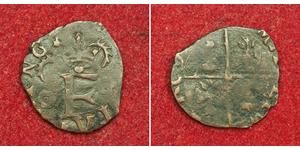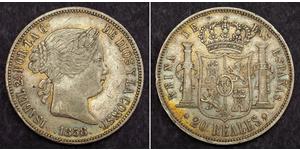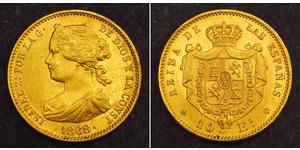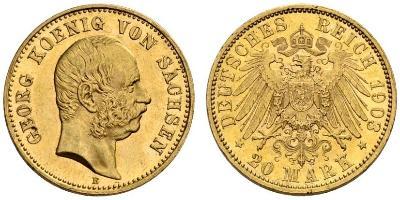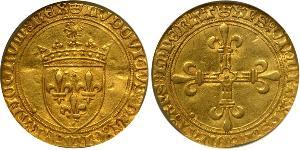
| Louis XII of France (1462 - 1515) | Link to Wikipedia |
Louis XII of France (1462–1515): History and Coinage
Welcome to the exhibition catalog.
In this section, we explore Louis XII, a sovereign who bridged the gap between feudal tradition and early modern statecraft. Born in Blois during 1462, he ascended to the throne following his cousin Charles VIII's death without an heir. Unlike contemporaries who sought absolute power over local lords, Louis maintained noble privileges while reducing taxes like the taille and reforming law. This benevolence earned him the enduring title Father of the People among historians.
Louis played a critical role in French consolidation by securing Brittany after annulling his first marriage and reinforcing its union with France. His reign was defined by military campaigns across Italy, specifically targeting Milan and Naples between 1498 and 1504 before ceding territory due to European coalitions. Understanding this specific timeline is essential for interpreting the historical weight of metal artifacts left behind.
The Connection to Coinage
Royalty often utilizes currency as a tool of state building, projecting power over diverse subjects and regions during wartime or peacetime transitions. The French kingdom under Louis issued various silver deniers that circulated throughout his realms while the crown maintained control.
- Dynastic Propaganda: Portraits struck after 1498 emphasize legitimacy following a succession where no heir remained for Charles VIII, utilizing heraldry to signal stability.
- Territorial Claims: Early campaigns in Italy resulted in brief coinage issues bearing titles like King of Naples or Milan before these areas were lost again due to political pressure and war outcomes.
- Reform Measures: The strict tax collection systems described by royal ordinances are reflected in how denominations were minted, ensuring revenue reached the crown through standardization under supervision during this era.
The artistry shifts noticeably from earlier medieval styles toward Renaissance refinement. Portraits displayed on these metal plates reflect a more approachable visage designed to match his personal reputation as a civilizing ruler rather than solely a warlord figure typical of previous centuries in Burgundy conflicts.
The Collector's Perspective
A numismatist today seeks Louis XII pieces not merely for the silver but to understand how currency functioned alongside political reform. Collectors are attracted by the historical context linking these coins directly to a king who prioritized legal peace over martial aggression.
- Rarity of Regional Issues: Coins struck in newly conquered Italian cities represent brief periods where France held sway, offering unique iconography distinct from domestic mints like Paris or Tours.
- Educational Value: Examining these issues helps learners visualize the transition toward centralized monarchy before Francis I assumed power later without a direct male heir to continue Louis line directly.
By tracing currency standards across France and Italy, enthusiasts can appreciate how a popular king used mint authority to reinforce stability. The pieces serve as tangible fragments of governance that bridge ancient tradition with the modernizing trends seen in late fifteenth-century Europe.