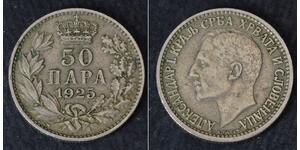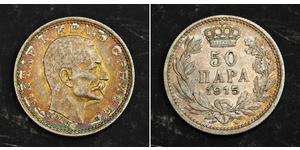
| Alexander I of Yugoslavia (1888 - 1934) | Link to Wikipedia |
Alexander I of Yugoslavia (1888–1934): History and Coinage
Introduction: A Unifying Monarch in a Divided Era
Alexander Karađorđević stands as one of the most significant figures in twentieth-century Balkan history. Born into political exile, he ascended to the throne after his father restored royal power following a 1903 coup that had displaced their family for generations. Alexander distinguished himself not only through military command but by orchestrating the unification of Serbia with Austro-Hungarian territories between 1918 and 1929, creating the modern Kingdom of Yugoslavia.
The Connection to Numismatics
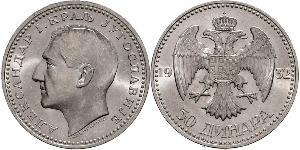
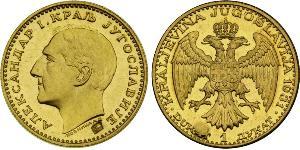
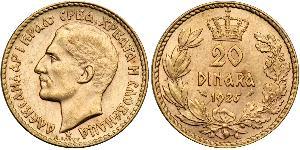
During his reign, coinage became a primary tool for forging national identity. Following the Great War, mints produced silver crowns depicting his profile alongside inscriptions representing the unified state. Upon renaming the country Yugoslavia in 1929 and centralizing power under a dictatorship, numismatic designs were adjusted to reflect this new authoritarian reality. Coins issued during his lifetime serve as records of the fragile peace between nations that had just emerged from World War I.
Rarity and Historical Importance for Collectors
Coin collectors prize these issues not merely for artistic merit, but because they encapsulate a specific geopolitical moment. The assassination of Alexander in Marseille in 1934 interrupted his reign abruptly, meaning posthumous minting was often halted by the onset of World War II and subsequent occupation forces. Consequently, many high-grade specimens remain scarce.
- Educational Value: Studying these pieces illuminates how small states utilized currency to legitimize centralization amidst growing nationalist tensions in Croatia and other regions.
- Rarity Factors: War destruction significantly reduced the surviving supply of interwar Yugoslav silver issues, making high grades valuable historical artifacts rather than just metal specimens.
Evaluation should focus on how these coins reflect the transition from monarchy to republic and vice versa during this complex period. For collectors interested in modern history or European numismatics, Alexander's portrait offers a tangible link between royal tradition and the birth of a unified nation-state before its eventual dissolution.