| Frederick Augustus III of Saxony (1865-1932) | Link to Wikipedia |
Frederick Augustus III (1865–1932): History and Coinage
Fredrick Augustus III stands as a pivotal figure in the annals of German royal history, serving as the final sovereign monarch of the Kingdom of Saxony. Born into nobility within Dresden Castle on May 25, 1865, his life spanned the tumultuous transition from imperial stability to republican revolution at the dawn of the twentieth century. Educated at Leipzig University like preceding generations in his family, he received a classical education befitting his status before advancing through the Royal Saxon Army ranks.
Relationship to Coinage
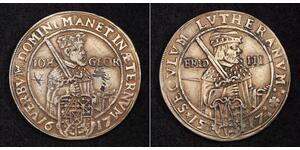
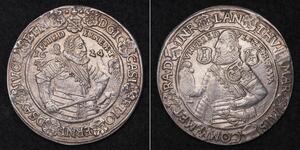
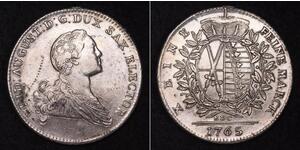
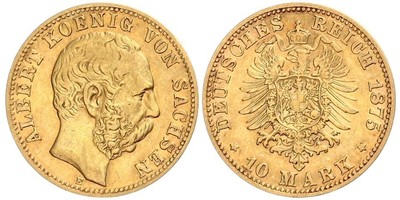
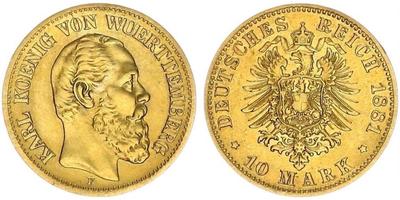
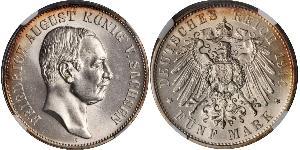
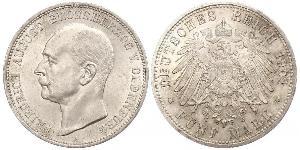
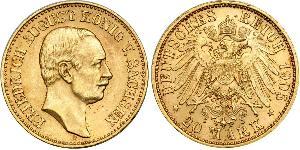
The image of Frederick Augustus graced the monetary circulation during a brief but culturally significant period between 1904 and November 1918. As King, he utilized coinage not only for economic utility but as an instrument of state representation, displaying his portrait alongside military symbols befitting his rank of Generalfeldmarschall acquired after September 1912.
Coin production was primarily consistent with the traditions established by earlier Saxon kings while navigating the complexities of World War I. However, numismatic records show that these coins remained faithful to royal iconography throughout a year-long reign marked by political anxiety rather than imperial expansion in late European warfare contexts until November 1918 when he voluntarily abdicated.
Why Collectors Value These Coins
- Rarity and Regime Change:The scarcity of final-year issues, particularly those minted between the spring and autumn of 1918 before political upheaval altered national borders adds significant historical weight to these artifacts.
Beyond mere rarity, specimens depicting Frederick serve as tangible links to personal narratives behind titles. His voluntary relinquishment of power in favor of state unity offers a unique historical lesson preserved within metal form for enthusiasts tracking the dissolution of monarchies across Europe. Understanding how coinage reflected shifting power dynamics helps collectors trace broader European history.
This approach allows one to hold artifacts that ended more than eighty years ago, preserving memory through currency rather than fading into written records alone. Collectors seeking these pieces often value their association with major historical events like the German Revolution and the subsequent Free State formation without modern political bias attached to them today. The connection between his military prestige and coin artistry ensures a distinct aesthetic style recognized by experts.
In summary, examining coins featuring Frederick Augustus III provides educational insight into how currency functioned as daily life during an era of profound change before the continent entered new republics in 1918-1932 timelines across Saxon lands that are now modern Poland and Germany territories.