| Geta (189-211) | Link to Wikipedia |
Publius Septimius Geta (189–211): History and Coinage
Publius Septimius Geta stands as a poignant figure in Roman imperial history, representing the fragile unity of the Severan dynasty. Born around 189 CE, he was the younger son of Emperor Septimius Severus by his wife Julia Domna. Following his father’s ambitious campaigns against the Britons and subsequent death at Eboracum in early 211 CE, Publius shared imperial power with his older brother Caracalla until their own deaths separated them violently later that year. While intended to be partners in rule under a unified vision, Geta struggled against intense personal rivalry with his sibling and was tragically murdered during the Saturnalia festival of December 211.
The Numismatic Legacy
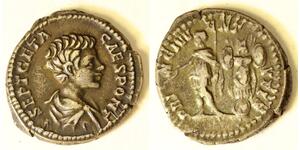
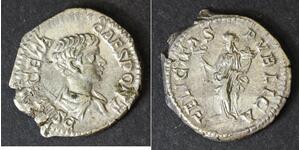
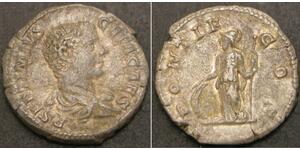
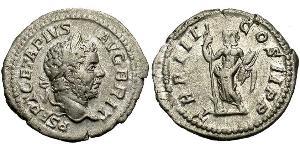
Numerismatists find particular interest in Publius Septimius Geta because coinage offers a rare surviving record of an emperor whose physical image was systematically destroyed. Unlike stone statues and relief sculptures, which were obliterated under Caracalla's orders via damnatio memoriae, copper alloy issues survived better as they circulated widely or entered hoards before being melted down centuries later. This discrepancy highlights how mint officials sometimes adhered to established die production schedules even as the political reality shifted rapidly toward suppression.
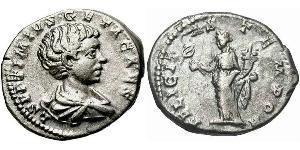
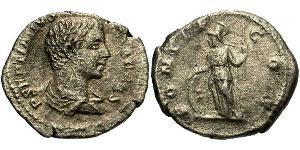
Early coinage from 209 CE depicts Geta alongside Caracalla and their father, reflecting a visual hierarchy that evolved over time. Before becoming Augustus in late 209, he was portrayed bareheaded while his brother wore laurels, distinguishing their ranks within the imperial family. Upon co-rule, both appeared as mature men with beards styled to honor their paternal lineage. By mid-211 CE, Geta adopted a specific long beard and hanging hairs reminiscent of Septimius Severus in an attempt to assert legitimacy during his tenure's final months before the purge began.
The Collector's Appeal
Collectors are drawn to these issues because they capture the precise moment an established dynasty fractured within living memory. While minted pieces from Geta's lifetime command attention for their artistic depiction, later posthumous releases often display erasing or damage marks indicating the speed of political shifts that sought to obliterate his legacy entirely. The survival rate of Publius Septimius Geta coins is notably high relative to marble portraits due to the sheer volume struck during this chaotic window before imperial workshops fully ceased production under new edicts.
The study of these artifacts serves as a tangible reminder of how political erasure attempts failed against physical reality. These pieces are essential for understanding not just an individual's reign, but how art was manipulated to suit power structures. For the historian, they provide insight into propaganda strategies that sought to maintain stability despite deep-seated familial discord.