| View |


 Vatican (1926-)
| Vatican (1926-) | Link to Wikipedia |
Vatican City: History, Coinage and Collectibles
Welcome to a journey through the smallest independent nation in history yet one of the most historically significant on our planet. Stepping into this unique sovereign state is like entering a museum that never closes; its stories are written not just in stone within city walls but etched into metal held by collectors from Rome to New York. For those who appreciate numismatics, Vatican City represents a fascinating intersection where ancient faith meets modern sovereignty.
To understand the significance of this micro-state, one must first consider that while it is geographically tiny—surrounded entirely within Rome—the political weight has been immense for nearly two millennia. The coinage reflects not just monetary transactions but spiritual authority and diplomatic relations spanning centuries. This narrative explores how a city defined by faith evolved from ancient Papal States to the independent entity recognized in 1929, leaving behind trails of silver and gold that continue to captivate numismatists.
Historical Background
The roots of this sovereignty extend deep into Roman antiquity. For centuries, popes governed vast territories known as the Papal States before modern Italy consolidated its borders during the Risorgimento in 1870. As temporal power receded and Italian troops marched into Rome, a critical period began for religious leadership and economic independence that would shape future coinage.
The transition from feudal governance to diplomatic statehood required new financial mechanisms. By signing the Lateran Treaty in 1929 with Italy, Pope Pius XI established Vatican City as an independent territory. This political birth necessitated a monetary system distinct enough for sovereignty but stable enough to function within Europe.
Cultural evolution played a major role here; early coins were not meant primarily for commerce like modern banknotes or cashless transactions. They served diplomatic purposes, honoring alliances between the church and states throughout Christendom. The minting of these pieces was often linked directly to significant liturgical events—coronations, jubilees, or canonizations—rather than trade deficits.
Currency and Coinage History
Monetary history in this region has evolved through distinct phases mirroring the broader European landscape. While the Papal States previously issued their own coins denominated in scudi and florins using local Italian mints, Vatican City State did not have its own circulating cash until it adopted specific commemorative denominations.
The transition to modern standards required careful navigation between spiritual tradition and economic practicality. For decades following independence, the state utilized foreign currencies for daily needs while reserving special issues of precious metal in gold or silver strictly for diplomatic gifts and collector markets. This duality created a unique market where coins were often considered tokens of honor rather than currency to be spent at local shops.
The shift toward international monetary integration came when the Holy See joined the Euro Zone, effectively utilizing common denominations while retaining exclusive rights to design the reverse side in commemorative series. Prior to this unification with other European standards under current law and treaty agreements of 2016 onwards allowing special silver issues alongside standard coins.
Mints and Coin Production
The production capabilities for Vatican coinage have always been limited by geography but enhanced by global partnerships. Unlike larger economies, they rarely operated large industrial complexes in isolation; rather, the minting relied on specialized facilities often contracted to secure quality workmanship matching high artistic standards.
- Ancient Traditions: For centuries before independence, Roman mints handled ecclesiastical orders and Papal bullae requiring distinct seals. The tradition of marking metal with authority was deeply rooted in the early church's history where coins validated religious edicts across Europe.
- Treaty Era Shifts: Following 1929, production centers contracted to other European cities allowed for independence from Italian government oversight regarding monetary policy design and minting techniques during critical diplomatic moments. This ensured the designs reflected Holy See values without political interference affecting their religious neutrality.
- Tech Innovations in Modern Issues: Modern proof sets utilize specialized dies often crafted by renowned sculptors, featuring high relief that catches light beautifully on polished surfaces, ensuring each piece is distinct from standard commercial circulation coins used throughout the continent today.
Notable Coins
Coin collectors find great interest in these pieces due to their rarity and historical context. Each issue carries a story of spiritual significance that elevates it above ordinary monetary value as an artifact of faith history.
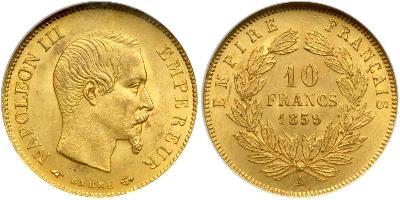
- The Golden Francs: These early issues struck during the 1920s were rare, minted specifically for diplomatic gifting rather than trade. Their high gold content and intricate religious iconography make them highly sought after by collectors focused on pre-Euro sovereign coinage history.
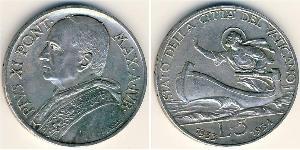
- The Silver Jubilee Medals: Issued later in the mid-century to commemorate major liturgical anniversaries, these are often struck from silver bullion with exceptional detail. The design features typically include St Peter holding keys or fish symbols representing authority over souls within Christian theology.
- Papal Commemoratives: Post-war issues introduced effigies of Popes like John XXIII and Paul VI on obverse sides while reverses celebrated religious milestones globally such as the year 2000 Jubilee. These coins represent a peak in numismatic artistry where faith and craftsmanship intersected perfectly.
Cultural Legacy
The legacy of Vatican coinage transcends mere metal value; it acts as an enduring symbol of religious identity preserved through precious materials. Symbols like the keys to Heaven or images representing Christ’s sacrifice are cast into silver and gold, making them tangible objects people can hold while remembering faith history.
For Collectors
Vatican coinage remains important today because it bridges ancient tradition with modern collecting interests without losing spiritual meaning. For those who value historical context alongside aesthetic beauty, the Holy See represents a unique market where cultural heritage meets economic rarity.
- Rarity: Many older issues are scarce in good condition due to their diplomatic rather than commercial minting purpose originally intended by government officials at the time of release.
- Symbols: The imagery appeals to those who appreciate history and art, featuring designs created under strict guidelines that ensure each piece honors solemn religious customs alongside artistic quality expectations set centuries ago for church commissions worldwide historically before they became collectible objects today as currency artifacts valued by hobbyists globally seeking rare finds from small statehoods recognized internationally since 1929.
- Diplomatic Significance: Historically, these coins were given to heads of states during major summits and church councils across decades. They serve today as souvenirs connecting the collector personally with significant moments in global religious history recorded permanently through bronze or gold alloy preserved forevermore for future generations interested.