| View |
 Vatican


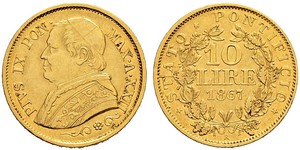
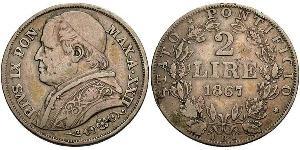
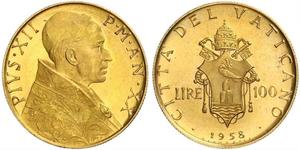
| Vatican | Link to Wikipedia |
Vatican City: History, Coinage and Collectibles
Historical Background
Welcome to our curated collection on the smallest sovereign state of all humanity. To understand why Vatican City occupies such a unique space in numismatics is one must first appreciate its profound historical weight within Italy and Rome itself. For centuries, this enclave was not merely an island city but a temporal power—the Papal States—stretching across Central Italy for over a millennium.
The narrative of the Vatican State begins deep in antiquity. The Romans themselves regarded the Ager Vaticanus as marshy and ominous due to its proximity to Rome's archenemy, Veii, yet it eventually became a site where martyrs fell. By the early centuries AD, this land grew into an enclave for Christianity itself, with St Peter’s Basilica anchoring spiritual life.
The modern entity we recognize as Vatican City State was formally born in 1929 via the Lateran Treaty. This historic agreement resolved a century-old dispute known as the "Roman Question," separating church and state to create an independent sovereign territory. The economic survival of this fledgling nation relied heavily on spiritual contributions rather than traditional commerce.
Currency and Coinage History
For centuries, the concept of "Vatican currency" is a fascinating subject because it often straddles the line between ecclesiastical artifacts and actual legal tender. Unlike standard nation-states which rely on robust internal trade to justify diverse coinage, Vatican City has existed primarily as a spiritual sanctuary where commerce was secondary.
In its earliest days of independence following 1929, before adopting the Euro in 2001, the state utilized coins. However, production volumes were incredibly low; often fewer than one thousand units were struck per design to avoid any temptation for counterfeiting or speculative trading.
The economy is sustained by donations from Catholic believers worldwide and duty-free commerce with Italy. In this unique economic model, postage stamps have historically served as a de facto currency tool alongside physical coins in the domestic sphere of collectors rather than general trade.
Mints and Coin Production
The production history is distinctively different from its neighbors. Rather than a bustling mint complex like that in the Kingdom of Piedmont-Sardinia or later Turin, Vatican coinage was often issued by mints operating outside the state borders until it became part of the Italian and then Euro monetary unions.
Mint production traditions emphasize extreme simplicity. The lack of internal commerce meant there were few needs to mint denominations for everyday use like fifty-cent pieces or two-euro coins, which is why many early Vatican issues are found only in proof sets or as high-relief strike commemorative items rather than circulating trade.
- The Holy See relied on the Italian Mint until 1927. It was then that sovereign coinage began to be issued from foreign facilities, such as London and Paris, before finally establishing its own arrangements under international treaties in later decades.
The artistic tradition remains classical—focusing heavily on religious iconography.
Notable Coins
If you seek the crown jewels of a collector’s portfolio, look to these types that carry the spirit of St Peter's and Rome within their metal frames:
This early sovereign coin was an anomaly for any nation. The minting quantities were intentionally kept low—approximately a thousand specimens—to maintain value against the temptation of hoarding or counterfeiting.
These designs feature famous artworks housed within the basilicas, such as Michelangelo’s ceiling in the Sistine Chapel. They are often struck from silver and carry high artistic merit suitable for display rather than circulation.
The Vatican began issuing coins into the modern economy upon joining the Euro zone. These were issued in extremely low quantities, making them desirable not just to coin collectors but also as religious artifacts for churches and altars worldwide.
- Their designs typically feature St Peter holding keys or standing with a dove of peace.
The obverse side bears the head portrait of successive popes—often Benedict XVI before his papacy was concluded by death or retirement.
Cultural Legacy
The coinage reflects a unique culture: one where spiritual independence reigns supreme. The symbols are simple and direct—the Pope as bishop of Rome, the keys to heaven in St Peter's hand.
We find few images of battles or political triumphs on these pieces because they were never conquerors; they were sanctuaries. This legacy is visible today in every specimen from this region where artistry trumps commercial value, reflecting a state that serves more as an administrative center for over 1.3 billion Catholics than a traditional nation.
For Collectors
In summary, the significance of collecting Vatican City numismatics lies in its rarity and spiritual heritage rather than market price fluctuations. As an enclave surrounded by Italy's wealth yet maintaining total fiscal independence through donations (with no taxes), it stands apart as a unique case study.