| View |
| preceded by | |
|
||||||||||||||||||||||||
| States of Germany | ||||||||||||||||||||||||
|
||||||||||||||||||||||||


| succeeded by |
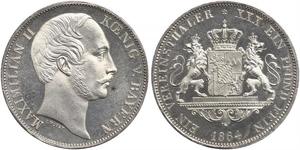
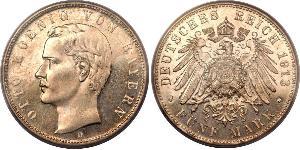
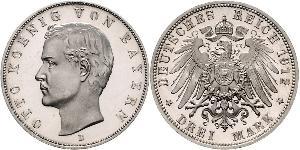
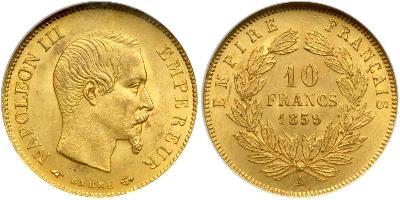
| States of Germany | Link to Wikipedia |
The States of Germany: History, Coinage and Collectibles
To understand the monetary heritage of this region requires looking through a kaleidoscope that has shifted from fragmented medieval mints to unified modern currency. The numismatic journey reflects deeper economic currents and cultural shifts that have defined European history over centuries.
Historical Background
The political geography of Germany evolved gradually, shaped by the complex tapestry of kingdoms and principalities within the Holy Roman Empire before 1806. For collectors interested in numismatics as a window into historical context, these regional sovereign states offer profound educational value beyond mere face values. The Hanseatic League dominated trade routes centuries ago, fostering an economy that demanded stable currency to facilitate commerce between London and Venice.
The era of industrialization accelerated the need for standardized exchange but left room for distinct state issues in Bavaria, Württemberg, or Saxony until 1873. This period allowed collectors to explore how different rulers promoted local pride through coin designs that incorporated regional heraldry while adhering to imperial standards where they existed.
The German Confederation and later the North German Union established a framework for currency intermingling without full unification. The culture of these states was deeply influenced by Romanticism, which emphasized folk motifs found on coins alongside classical depictions derived from Ancient Greece or Rome. This artistic tension between local tradition and imperial grandeur is a key narrative element in understanding why specific regions issued unique types.
The aftermath of the World Wars further fragmented monetary systems for decades until 1948 when economic recovery through currency reform became essential to rebuilding national identities separate from the past regimes that had destroyed infrastructure. The cultural resilience evident today stems directly from this historical ability to maintain distinct regional currencies within a federal system, influencing modern commemorative coins.
Currency and Coinage History
Money in these territories evolved significantly over time. Before the introduction of paper notes as primary currency during wartime scarcity or inflation crises, silver denominated metal served as hard money stored by citizens to protect wealth from government instability. The Reichsmark period introduced a standardized coin system based on gold and silver content that collectors appreciate for its precision.
A major shift occurred with the establishment of stable monetary policy under international standards towards mid-20th century currency boards, ensuring trust in coins used daily by citizens to purchase goods ranging from bread to industrial machinery. This period of stability made collecting a viable hobby rather than just speculative investment during inflationary eras.
The modern introduction into the Euro system did not erase historical ties but integrated them further under common European symbols like stars or eagles that were previously replaced by national figures, though specific states retained rights for commemorative issuance. This transition from sovereign gold standards to fiat currency changed what constitutes collectible material today; it moved focus towards silver content rarity and artistic value rather than purchasing power parity alone.
Mints and Coin Production
The mints established in major centers like Berlin, Frankfurt am Main, Hamburg, Munich, Vienna, Karlsruhe, and Stuttgart each developed distinct artistic traditions. Artisans often employed high-relief sculpting to emphasize depth or used specific alloys known by local names that affected coloration on the obverse of silver coins.
Mint marks were critical identifiers distinguishing production centers such as "A" for Berlin (later Frankfurt) until unification and later proof markings like "J" from Hamburg. The craftsmanship during Art Nouveau periods introduced intricate floral patterns to reverse designs, replacing older heraldic beasts with naturalistic representations typical of early 20th-century aesthetics.
The technology also evolved; steam press usage improved strike quality over manual hammers while maintaining detail preservation necessary for later collectors seeking full luster. These technical advances allowed mints in southern regions like Bavaria to produce high-grade pieces that rivaled the Berlin mint's output during periods of intense commercial exchange before modern industrial centralization reduced regional variety.
Notable Coins
The 1905 Two Marks gold coin from Hamburg remains a celebrated piece for its refined design featuring the city shield alongside imperial symbolism, representing both local pride and state unity. Another significant example is the Bavarian Thaler struck earlier under Maximilian I Joseph which utilized distinctive relief techniques that defined regional style.
During periods of German division following World War Two, West German mints produced high-grade silver proofs often featuring unique artistic representations celebrating reconstruction efforts or national reunification themes decades later. Modern collectors seek these pieces for their narrative regarding a state recovering from conflict and rebuilding financial security within the European framework.
The Bavaria commemorative coins issued in recent years under Euro legislation allow current minting to feature specific landscapes like castles found on reverse designs of 10-Euro silver proof sets, bridging centuries-old heritage with modern legal frameworks. These pieces illustrate how coinage continues to honor historical symbols while serving as cultural ambassadors across borders without political friction.
Cultural Legacy
The legacy of German statehood is etched in metal through the use of motifs ranging from hunting eagles representing nobility on earlier issues to modern stylizations found in Euro commemorative series. Religious symbolism diminished slowly over time, replaced by secular or nationalistic iconography that reflected Enlightenment thought during 18th century reforms.
Economic achievements like engineering milestones often appear as reverse themes reflecting industrial strength associated with Prussia’s ironworks or Bavarian brewing heritage visible on specific silver issues from late centuries. Symbols of governance transitioned from monarchs to republic figures over decades, demonstrating how political structures changed while preserving artistic continuity through consistent stylistic eras.
For collectors
The historical significance remains paramount because these coins tell the story of a region’s struggle for economic independence and unity. They represent stability achieved after periods of chaos in which currency value fluctuated wildly due to war or regime changes making preservation difficult.
Collectors are encouraged to seek pieces that demonstrate artistic merit alongside rarity since many modern examples remain available but early 19th-century silver proofs become increasingly scarce as demand grows. Understanding the cultural context behind why a state minted these specific images provides deeper appreciation than simply cataloging dates alone, aligning with the educational mission of numismatics today.
This heritage persists in auction markets where provenance often traces back to regional families or industrial tycoons who funded mints locally. Preserving knowledge about these items ensures future generations can trace their roots through tangible artifacts rather than just written records alone, making coin collecting a vital form of living history preservation for enthusiasts worldwide.