| View |
| Hamburg | Link to Wikipedia |
Hamburg: A Legacy of Trade, Empire, and Coinage
Historical Background
Hamburg has long stood as a monumental example in European history, distinguished not merely by its urban footprint but by its pivotal role as an economic gateway between the North Sea and Central Europe. For centuries, this city-state operated with a unique independence that defined much of the German landscape prior to unification. As one of only three sovereign cities within the complex political structure of historic Germany—alongside Berlin and Bremen—Hamburg’s resilience was tested by fire, flood, and war. Its ability to recover from such catastrophic events as the Great Fire of 1842 or the devastating bombing raids of World War II underscores a culture built on commerce and maritime prowess.
The city's geography dictated its destiny: situated at the confluence of the Alster and Bille rivers, Hamburg controlled access through a vast estuary to the North Sea. This location transformed it into a major port for Northern Europe well before 1871. Historically linked with Bremen via merchant guilds that formed the Hanseatic League in the late thirteenth century, Hamburg traded goods like grain, timber, and wool across the Baltic and Atlantic oceans. The city was a free imperial city within the Holy Roman Empire until its eventual dissolution of sovereignty following Napoleon's brief annexation from 1804 to 1815.
This history of shifting allegiances—between the Hanseatic League, the German Confederation after 1815, and finally unification in 1871—is crucial for understanding its monetary evolution. Unlike many European states that issued coins under absolute monarchies or emperors alone, Hamburg's currency often reflected a commercial pragmatism driven by trade guilds and merchant banks like the Berenberg Bank, historically founded to facilitate these international transactions.
Currency and Coinage History
The evolution of money in Hamburg mirrors its trajectory as an independent entity transitioning into modern statehood. In medieval times and through much of the early 19th century, commerce was conducted using various foreign milled coins alongside locally minted ones that adhered to continental standards like the Ducat or Thaler.
During its status as a sovereign Free City (1860–1871), Hamburg managed its own fiscal policies. This period is significant for collectors, marking a time when it struck high-quality silver and gold coins under the Prussian/German influence but maintaining distinct civic branding. Following German unification in 1871, Hamburg lost much of this sovereign coinage power, joining the standardization efforts that led to the creation of the Mark.
The early modern period brought significant changes to currency standards due to political upheavals. When Napoleon's forces briefly occupied the city and later during the wars in which Prussian armies fought against French dominance (ending around 1806/1807), Hamburg had to adapt its monetary systems for survival and trade, a necessity dictated by port blockades.
In 1924, after the stabilization of currency following World War I inflationary chaos in Germany, standard Mark coins were minted. However, even then, regional banks issued banknotes with unique local designs before full unification was solidified again post-WWII to modern Euro denominations.
Mints and Coin Production
Hamburg's coin production history is not just a matter of striking metal but a reflection of the city’s status as an industrial powerhouse. Before 1870, Hamburg possessed its own minting rights in certain periods or struck money that circulated widely within German waters.
The transition to Prussian monetary influence brought sophisticated mints into play for regional commerce. While major national coinage came from central Berlin operations, the port city's economic dominance meant it influenced commercial standards heavily. Later designs often featured maritime motifs—ships and anchors—to celebrate its identity as a "City of Port," reflecting entities like Lufthansa or Blohm + Voss.
The artistic styles found on Hamburg-related coinage during these eras transitioned from classical Roman-inspired profiles to more industrialized, realistic depictions in the early 20th century. This shift paralleled its own transformation from a Hanseatic trading hub to an international business center hosting multinationals.
Notable Coins
- The Hamburg Ducat (Pre-1871):
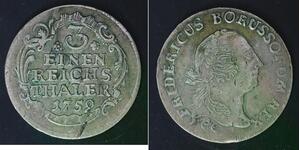
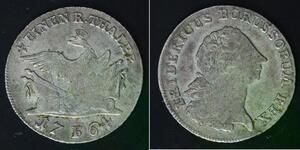
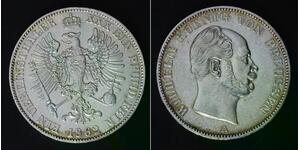
- The German Empire Thaler (Late 19th Century):
- The Mark of Germany (Early 20th Century):
- The First Euro Marks:
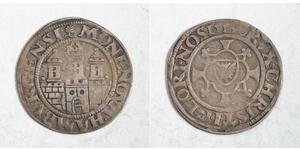
This was perhaps the most significant currency of independent or semi-independent Hamburg. These coins featured heraldic symbols, often a ship or port imagery representing its free imperial status and wealth from trade with nations like England.
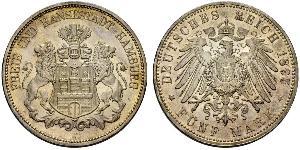
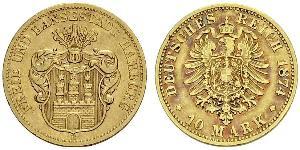
Frequently used in the harbor regions after unification, these silver coins are highly sought by collectors for their fine artistic detailing. They represent Hamburg's integration into a broader national economy while retaining its distinct commercial identity.
Circulating in various periods between the wars, these coins highlight how economic stability impacted coin production and value in one of Europe's most vital ports. They are essential artifacts for understanding Germany’s post-war reconstruction.
In 2002, Hamburg minted its own distinct versions or designs as part of the new unified currency system (specifically related to regional banks and notes), marking a final chapter in monetary history for this free city-state before full euro adoption.
Cultural Legacy
The numismatic heritage of Hamburg is deeply tied to its maritime roots. For collectors, every coin found or catalogued from the region often hints at centuries of trade with England and France (as mentioned regarding early ships like Caledonia) or Hanseatic connections.
Hamburg's identity as a scientific research hub was also reflected in modern commemorative pieces produced for universities like DESY. Its culture, shaped by both high society ("Hanseaten") and working-class industrial growth, appears on metal through symbols of bridges—the city famously has over 2,500—and port landmarks.
For collectors
Hamburg remains significant for coin enthusiasts because its history is one of the most dramatic commercial transitions in Europe. Collecting these pieces provides a window into how money functioned as a tool for independence during times of war and peace.
The city's role as a port where multinationals like Airbus are based suggests that trade remains central to Hamburg, meaning its monetary past holds relevance today. For auction buyers and historians alike, studying the coinage from this region offers insight into how local merchants managed global economies long before modern banking systems were invented.
The legacy of these coins lies in their narrative: they tell the story of a city that survived floods, fires, and occupation yet always returned to its status as a center for wealth. For those interested in numismatics, Hamburg offers rich material from independent mints through state unification into modern times.