 Bavaria


Historical Background
To understand the monetary history of Bavaria, one must first look at its deep roots in human settlement across Europe. The region's earliest documented inhabitants were Celtic tribes from the Iron Age, who established settlements that flourished until the Roman era. This early trade and cultural exchange laid a foundation for economic activity that would later drive coin production. During the 1st century AD, the territory became an integral part of the Roman Empire within the provinces of Raetia and Noricum. The Romans built military camps near what is now Munich; specifically at Augusta Vindelicorum, which served as the provincial capital in southern Germany.
The medieval period saw Bavaria transition from Roman rule to a Duchy established by Charlemagne around 550 AD, evolving under Frankish oversight until it became an Electorate and finally a Kingdom within the German Empire. The Wittelsbach family emerged as rulers for over seven centuries after 1180, eventually expanding their control through reunification efforts in the late medieval era and into modern statehood after World War I.
The culture of Bavaria has always been distinctively shaped by its Catholic heritage and Alpine environment. The population historically relied on local trade networks connecting the Alps to Italy and Germany. This economic necessity fostered a robust demand for secure, standardized currency, moving the region away from barter systems toward complex monetary unions that influenced not just internal commerce but international trade.
Currency and Coinage History
The evolution of money in Bavaria reflects its strategic position as a gateway between Central Europe. Early Roman occupation brought solidi and denarii into circulation, marking the end of localized exchange for standardized imperial currency that facilitated tax payments and military logistics across Raetia.
In medieval times, coinage became a tool for sovereign expression under dukes like Henry the Lion. The economic shifts following 1806 saw Bavaria emerge as an independent Kingdom with its own monetary authority. Following unification efforts in Germany during the mid-20th century and post-war reconstruction, modern currency standards aligned with West German Mark usage until later Euro adoption.
Mint operations played a vital role here: these were centers of state power where local rulers projected their legitimacy through metalwork that circulated widely among merchants and citizens alike. The transition from silver-based coinage to gold issues was frequent in times of wealth, particularly during royal coronations or wartime financing efforts by the House of Wittelsbach.
Mints and Coin Production
Augsburg stands as a primary historical center for Bavarian minting. As the site established under Augustus Caesar's orders centuries before modern states existed, it provided ample evidence of Roman-era coin production techniques that set precedents for later ducal mints.
- Minting Centers: Augsburg was a premier hub during imperial times, while Munich and Nuremberg served as secondary capitals with their own minting traditions in medieval centuries.
- Techonology: Craftsmanship evolved from hand-struck designs to milled edges reflecting 19th-century industrial advancements that improved security against counterfeiting.
The artistic characteristics were heavily influenced by the Bavarian Lion, a heraldic symbol of ducal power often stamped in relief or reverse on silver coins. Religious influence also appeared frequently; designs incorporated Christian symbols and scriptural verses commissioned for religious festivals like Oktoberfest celebrations which marked periods where coinage was minted to fund communal festivities.
Notable Coins
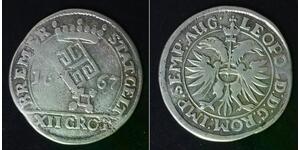
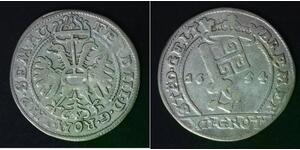
Collectors seek several distinct types that highlight key moments in Bavarian history. First, Roman-era coins from Augusta Vindelicorum offer a rare glimpse into the economic integration of this southern German region with Italy and Greece during antiquity. Their workmanship is so well-preserved it "almost shines," showcasing metalworking skills unmatched for centuries.
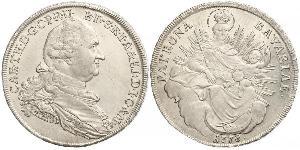
The golden sovereigns or ducats minted under medieval electors represent another major attraction, though their designs were often less ornate than imperial coins. However, the 17th and 18th-century silver issues remain popular; these pieces frequently feature the heraldic lion facing left—a standard that persisted for generations.
The Ludwig II Era:
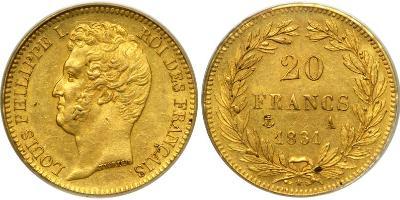
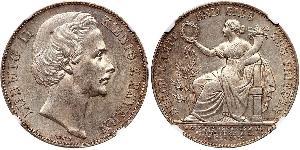
A particularly striking period occurred in later centuries under Bavarian Kings like Ludwig I, whose gold coins displayed elaborate architectural motifs inspired by Neoclassical design trends prevalent at Munich courts. These designs served not only as currency but also promoted the city's cultural renaissance to foreign dignitaries.
Cultural Legacy
The coinage of Bavaria reflects its culture, religion and symbols more profoundly than almost any other European region. The "Bavarian language" spoken by millions speakers today mirrors dialects found on local seals alongside Latin inscriptions from Roman times which were standard in legal documents before vernacular adoption.
Cultural Symbols:
- The Bavaria Lion: A staple of coat-of-arms designs and silver coinage for seven centuries.
- The Catholic Cross: Often integrated into mint marks or reverses to signify spiritual governance alongside secular rule.
Economic Reflection:
Minting traditions adapted to local festivals like Oktoberfest. Coins were sometimes issued with special legends celebrating harvests, trade fair openings and royal weddings that connected the monarchy directly to everyday life of citizens across seven administrative regions including Franconia and Swabia.
For collectors
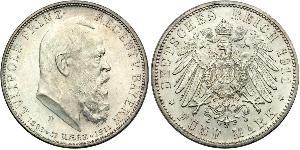
The numismatic legacy of Bavaria remains significant for collectors today because it encapsulates a unique blend of Roman antiquity, medieval feudalism and modern industrial design within one state's borders. Collectors find value in these artifacts as tangible records of political change—from Duchy to Kingdom—without needing specialized catalog references.
This historical significance lies also in preservation: surviving coins often feature exceptional detail because Bavarian mints were renowned for quality control that prevented rapid debasement or forgery compared to neighboring states. Consequently, condition remains a primary driver for grading standards even though exact market values fluctuate with auction trends.