| View |
| preceded by | |
|
||||||||
| Hanover | ||||||||
|
||||||||


| succeeded by |
| Hanover | Link to Wikipedia |
Hanover: History, Coinage and Collectibles
Welcome visitors, collectors of antiquity, lovers of history. Today we step through an unseen gateway to the past, where metal captured stone and paper money could not touch—coins that tell a story as enduring as their legends were forged in fire. We will explore the world of Hanover, specifically looking at its trajectory from the riverside settlement on the Leine River toward becoming a significant political entity known for its unique currency history.
Historical Background
The narrative begins with a modest village perched where water met land. Over centuries, this location became a crucial trade nexus connecting Europe's west to its east and north. This strategic position did not merely facilitate movement of goods; it laid the groundwork for wealth accumulation that eventually funded state-sponsored coinage production.
We must trace how power consolidated here during the early modern era in Europe. As political structures shifted, so too did local authority over money. In 1636 a ruler moved his seat to this city, marking a transition from minor rule toward higher status within the Empire. It evolved into an Electorate and later a Kingdom.
The history of this region is inseparable from the story of Great Britain during a specific era of personal union between these thrones. This connection lasted for over a century until female succession in London severed legal ties to Hanover while allowing British monarchs to rule elsewhere. However, when that political bridge was removed by law and bloodline constraints, it created an interesting numismatic transition where local identity had to assert itself without direct royal sponsorship.
The annexation into Prussia marked the end of independent sovereignty for this region in 1866 following conflict with a northern neighbor. This event is pivotal for understanding why coins from this era cease at specific dates and why post-unification issues bear different names, effectively altering what we see on these plates.
Currency and Coinage History
Metal circulation in the north German plains has existed since time immemorial. As trade grew along navigable rivers such as the Leine and Ihme, merchants required standardized value for exchange across borders where customs were high or trust was low.
The evolution of currency here followed broader European trends but with distinct local flavor. We see a transition from heavy silver to finer alloys used in daily transactions. During the Electorate period (1692–1814), coinage production increased significantly, funded by trade revenues and mining operations in nearby mountain ranges.
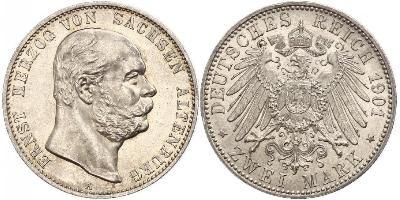
The establishment of Kingdom status changed things dramatically because royal authority now demanded that coins bear symbols of a kingdom rather than an elective prince or duke. This shift required new dies to be cast for minting operations, often changing the portraits shown on coin faces over time.
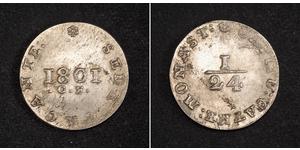
We see significant reforms after 1803 when French troops occupied parts of the region and disbanded armies before withdrawing later. Though this caused political instability which disrupted trade routes temporarily, it also reinforced a need for standardized value once peace returned under British influence during early union years.
Mints and Coin Production
The production centers located within what became known as Lower Saxony played vital roles in ensuring the region remained economically competitive. Local workshops utilized copper, silver, and occasionally gold to mint thalers or groschen that were accepted from Hamburg all the way south.
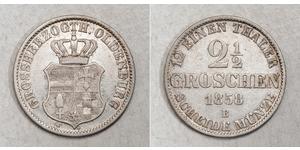
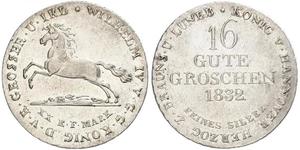
A key characteristic of local coinage was its adherence to established standards set by major European powers while displaying specific artistic elements unique to this territory. The most recognizable symbol associated with Hanover remains a heraldic lion, appearing on shields and stamped deeply into silver discs throughout history until political forces dictated otherwise.
Minting technology evolved here alongside the rest of Europe during industrialization centuries ago. By late 180s steam powered presses replaced manual striking in some cases while preserving traditional artistic motifs found elsewhere that were highly valued by collectors today who look for details such as hairlines or lettering quality on coins.
Notable Coins
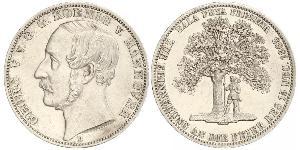
We begin our tour of the most significant pieces with silver thalers produced during the early eighteenth century. These bear portraits representing foreign royalty connected to this region through marriage and title but minted locally under local oversight using regional iconography rather than standard British designs used overseas.
The gold sovereigns that circulated here were highly prized by merchants who dealt internationally, as they offered a reliable exchange rate against other currencies of the time. These pieces often bore intricate detailing showing regalia or coats-of-arms associated with ruling families before political annexation took place mid-century when these designs ceased.
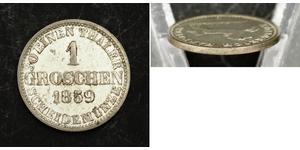
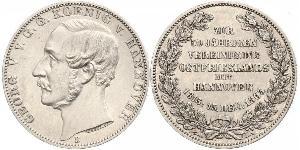
A specific period between 1860 and final union marks another era where coinage production was still active locally but under increasing oversight from new authorities. These issues represent a rare window into the transition years leading up to full incorporation within larger empires, making them historically interesting for historians of finance who study monetary unification.
Cultural Legacy
The artistry visible on these metal plates reflects not just artistic skill but also cultural priorities. The use of specific animals like the lion suggests a connection to regional heraldry rather than generic royal imagery found elsewhere across continental Europe or Great Britain itself during periods when crowns were shared between monarchs.
Every coin represents a moment in history where economic activity meets political power, which was true here for many generations. When we hold these artifacts now and look back at the faces of rulers depicted on them, we are connecting with people who ruled over territories connected by trade routes that once stretched across continents from coast to coast.
This region also became part of a larger network known as UNESCO's Creative Cities Network years later after its modern era ended. Though this classification belongs strictly speaking within the broader German state today and was formed recently, it reinforces how long-standing cultural ties remain relevant in our world where heritage sites are still being discovered through these metal artifacts.
For collectors
The enduring significance of Hanover coinage lies partly in its rarity. As independence ended under pressure from Prussia later during the 19th century, many issues were either withdrawn or over-minted quickly by occupying authorities to suppress local identity. Consequently, finding these older coins today is like discovering a piece of history that once stood alone before being absorbed into larger structures.
The connection between British and Hanoveran lines remains one of the great draws for connoisseurs who enjoy collecting pieces representing shared dynastic histories across oceanic boundaries even though they were legally distinct states. The condition required in such cases also speaks to collector demand, as wear on older silver issues reveals how much time has passed since their last circulation or display.
To conclude we find that these artifacts remind us of a past when nations and currencies defined themselves not just by maps but often through artistry found within copper alloys. For the dedicated enthusiast exploring auctions worldwide today there is still great value in finding pieces from Hanover because they tell tales of trade, war and peace spanning more than six centuries.