| View |
| preceded by | ||||
|
||||

|
|||||||
 Macedonian Kingdom (800BC-146BC)
|
|||||||

| succeeded by | ||||
|
| Macedonian Kingdom (800BC-146BC) | Link to Wikipedia |
Macedonia (ancient kingdom): History, Coinage and Collectibles
Welcome to a gallery of ancient power where history is weighed in silver and gold. Today we explore the realm known as Macedonia during its peak under Philip II and Alexander III, examining how this northern Greek state expanded from tribal lands into an empire that reshaped Mediterranean economics.
Historical Background
The kingdom of Macedon rose to prominence through a combination of resourcefulness and military innovation. Situated in the northeast corner of Greece, its geography provided access to rich gold veins at Amphipolis and timber resources essential for shipbuilding fleets that challenged Persian dominance.
Before Philip II unified the region, the area was fragmented among local tribal confederacies with little centralized currency system. The transformation began when leadership consolidated power under Pella as the capital city. This centralization allowed the state to standardize weights and measures crucial for international trade. Alexander the Great later expanded this reach across Asia Minor into Egypt and Central Asia.
The cultural shift was profound as Macedonians adopted Greek culture while maintaining their own identity. They commissioned great architects, artists who sculpted bronze statues of heroes in Pella workshops that still influence museum collections today. The economy thrived on agriculture supplemented by mining revenues which funded the famous wars without bankrupting the treasury.
The rise from a small kingdom to an imperial power was achieved through strategic marriage alliances and diplomatic maneuvering with other Hellenistic city-states, avoiding endless war whenever possible while maintaining military dominance in Greece itself. By securing control over vital trade routes connecting Europe with Asia Minor, Macedonian kings ensured prosperity that would endure for centuries after their reign.
Currency and Coinage History
The evolution of money within this region tells the story of its economic ambition initially issuing local tokens made from copper or iron followed by adoption of Attic weight standards used across Greece. Philip II initiated significant reforms to align his silver currency with Phocaean patterns, creating a highly trusted tender for merchants throughout the eastern Mediterranean.
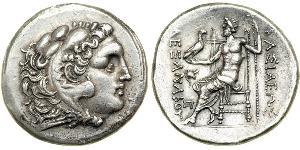
Silver tetradrachms became common tools for commerce as trade grew around ports like Pythion and Amphipolis where ships docked from all over the known world. The state controlled quality strictly so that foreign buyers accepted Macedonian silver at par with other city-state coins without devaluation concerns or loss of trust.
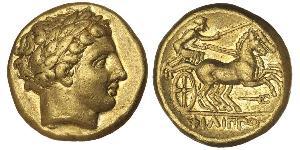
Gold staters were introduced later, particularly under Alexander III who used these precious metal discs for large-scale transactions across his newly formed territories including India where trade routes extended far beyond known Greek borders. This introduction brought Eastern wealth standards into alignment with local silver denominations allowing seamless transfer between imperial cash holdings and merchant inventories.
Mint output fluctuated based on royal campaigns as funds were needed urgently during sieges but recovered quickly after victories secured loot from enemies which was converted back into currency for state expenses. The stability of the mint system meant that even in distant provinces where Alexander appointed his generals, local authorities maintained coinage standards set originally by Pella.
Mints and Coin Production
The heart of ancient money production lay within workshops attached to major urban centers like Amphipolis near rich mountain veins but also smaller towns authorized during war periods when central control relaxed. These operations employed skilled die engravers whose tools were often imported from Athens or Etruria where artistic tradition flourished.
Traffic through the region brought new technologies and styles that influenced how images appeared on metal surfaces. Die cutting methods improved over time allowing for clearer designs of gods like Heracles who represented strength to Macedonian kingship claims while later issues featured more elaborate scenes from mythology depicting naval battles or chariot victories.
Metal sourcing was critical as silver ore came primarily from Laurion sources in Greece but gold flowed through Persian tributaries. The refining process took place under strict supervision by royal officials who inspected bars before they entered the minting press systems where blanks were struck into finished shape using heavy hammers rather than modern machine presses until much later history.
Ancient coinage bears witness to political fragmentation as Alexander died and generals carved up his vast domains. Local mints continued producing coins under their own names yet often copied designs from the central Pella authority so that international merchants could easily identify value regardless of which general currently held power in nearby cities like Babylon or Memphis.
Notable Coins
- The Philip II Silver Tetradrachm: Issued shortly after unification these coins featured a head of Heracles on the obverse and various deities facing different ways representing victory in battle fields across Europe. They are prized by collectors because they mark the moment when Macedonia became trusted as an economic hub for all Greek city-states.
- The Alexander Gold Stater: One of the few gold issues struck before his death depicts Athena or Pegasus alongside portraits honoring him personally. These were used heavily in Egypt and Persia proving their worth through consistent weight maintained by imperial decree regardless where they circulated throughout conquered lands from India back to Syria.
- The Late Kingdom Antigonid Lion Series: Produced after Alexander's death, these coins show the head of a lion facing left on reverse designs symbolizing royal lineage connection. The mint locations expanded during this period indicating greater regional production capabilities that sustained trade until Rome arrived in Hellenistic times.
Cultural Legacy
The coinage reflects how Macedonian kings viewed themselves as divinely favored rulers protected by Zeus Ammon and other pantheon figures worshipped throughout Greek lands. Religious imagery served not only spiritual functions but also political messaging that united diverse populations under common iconography regardless of their native beliefs.
Trade goods found alongside ancient coins in archaeological excavations across Asia Minor reveal how Macedonia integrated itself into global commerce well before modern globalization began connecting markets through air travel or ocean shipping lanes used today. Merchants who transported Macedonian silver to India brought exotic spices and textiles home that changed dietary habits throughout Europe.
The artistic style evolved from simple bold outlines to intricate detailing on smaller denominations where artisans captured expressions of gods with greater nuance showing movement in flowing robes typical of Hellenistic fashion trends seen across Mediterranean regions. These small metal slivers preserved styles used by architects for public buildings and sculptors who carved marble columns.
For collectors
The enduring appeal lies in the opportunity to own a tangible piece of history that connects viewers directly with empires built on conquest yet sustained through economic policy. Collecting these items requires patience because condition varies significantly based upon burial environments where they were hidden by families hoping to preserve wealth for future generations.
Rarity is often tied to survival rates rather than initial print quantities as many coins melted down during times of war or repurposed into religious offerings after temple destruction. High quality specimens with detailed portraits remain available in auction houses offering chances for new collectors who understand historical significance beyond market values alone.
This collection guide provides a foundation for understanding why these artifacts matter to serious hobbyists exploring ancient world numismatics without focusing purely on financial returns. Each coin tells a story about how one kingdom shaped human civilization across continents and centuries through innovation in metallurgy, artistry, and governance that continues inspiring historians today.