| View |
 Macedonia (1991 - )

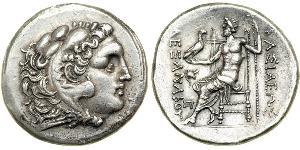
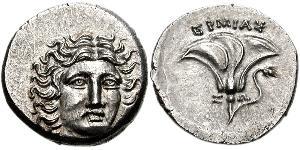
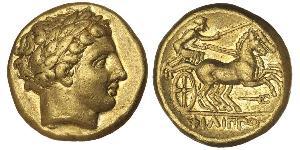
| Macedonia (1991 - ) | Link to Wikipedia |
North Macedonia: History, Coinage and Collectibles
Historical Background
Welcome to a journey through time where ancient landscapes meet tangible history. To understand the monetary landscape of this region in Southeast Europe is to first appreciate its geography as a bridge between civilizations. The land corresponds roughly to ancient Paeonia and Pelagonia, situated along major trade arteries like the Vardar River valley. This location made it a critical node for commerce connecting the Mediterranean with Central Asia.
In early antiquity, before the unification of kingdoms that would dominate later history, this territory was home to diverse tribes including Dardanians and Illyrians. As these groups settled following centuries of contention between Byzantine and Bulgarian empires, they developed a unique culture within the Serbian Empire domain prior to Ottoman influence. The transition through centuries saw the region shift from being governed by Greek city-states under Macedon rulership in classical times to becoming part of vast administrative provinces during Roman expansion.
The cultural fabric was heavily influenced by successive foreign dominations. Following Slavic migration and settlement, a distinct regional identity emerged that would eventually lead to state formation after the dissolution of Yugoslavia. This historical layering is not just on maps but preserved in every artifact unearthed from archaeological sites around Skopje and other major cities. For those interested in numismatics, these layers represent an evolution of power structures, where each regime left its mark upon what people used for daily commerce.
Currency and Coinage History
The flow of money through this region is a story of adaptation to political realities. In the ancient period, local coin production was sparse compared to neighboring kingdoms like Macedonia or Thrace; however, Roman conquest brought standardized currency into widespread use by the second century BC. The establishment of provinces meant that goods moved across borders using established denominations.
The Roman era introduced a more systematic approach where provincial mints began producing coins bearing imperial portraiture alongside local deities for circulation among troops and merchants alike. As Rome withdrew administrative oversight over centuries, coinage reverted to regional issues during the Byzantine period before being reintegrated into broader empires later on.
The Ottoman Empire era brought a significant shift towards silver currency usage in daily transactions across the Balkans due to its economic integration with Eastern trade networks. The influx of these coins facilitated commerce between rural farmers and urban merchants alike, establishing Skopje as an important center for monetary flow despite being landlocked. Later, following independence from Yugoslavia during the early nineties, new currencies were minted reflecting sovereign status.
Mints and Coin Production
The concept of a "mint" in this region evolved with changing political boundaries. In antiquity, production centers like Scupi (modern day Skopje) served as hubs for administrative control rather than heavy industrial coin presses common later on. During Roman times, the territory was subdivided into provinces where provincial mints struck denarii and aurei to pay legions stationed in northern regions.
As history progressed through centuries of rule change from Serbian kingdoms back under imperial influence during wartime occupations by Bulgarians and Serbs respectively, coinage standards were imposed externally. Local production became centralized under state direction for the Yugoslav Federation after 1945, utilizing metal supplies provided across Eastern Europe bloc.
The transition to independence allowed Skopje once again to host facilities dedicated specifically to producing national currency rather than serving a larger confederation. While many modern denominations continue using established technologies in minting machines and casting methods for higher value gold or silver bullion products released internationally, the focus has remained on accessibility of small change.
Notable Coins
Around 50 BC to mid-first century AD during imperial rule under Diocletian's reforms, specific coin types circulated through Macedonia which are sought after. These early provincial pieces often display variations in legends that help historians track administrative shifts and economic conditions.
- The Roman Scudi Denarius features depictions of local patrons like Zeus or Helios alongside standard imperial head profiles found on coins minted for other legions across the empire.
- Ottoman Akçe pieces are highly significant as they represent daily life in pre-19th century Skopje where Islamic symbols dominate reverse designs while obverses show caliphal portraits.
Around 20 BC during Caesar Augustus era, silver coins were introduced more regularly. Later Byzantine solidi found within the region often bear Greek inscriptions referencing Christian patronage which reflects shifts in religious demographics recorded in written texts from those periods.
Cultural Legacy
The designs carved into metal leaves a lasting record of cultural identity over millennia. During earlier centuries, imagery focused on gods and emperors but eventually shifted toward national landmarks and historic figures once sovereignty returned after the war years following World War Two.
- Symbols such as crosses or crescents reflect broader societal changes from polytheism towards organized religion.
- Landscape representations showcase iconic locations like Mount Pelister appearing on commemorative issues introduced to celebrate natural heritage sites important to residents today.
- Cultural icons found in folklore are increasingly represented alongside historical heroes who contributed significantly during independence movements decades ago.
This evolution from ancient tribal artifacts to modern state currency mirrors the broader narrative of national development seen elsewhere across Europe. Collectors find that each issue tells a story not just about metallurgy or economics but also how societies choose what they wish to be remembered by in their monetary instruments used during moments when defining borders mattered most.
For Collectors
The coinage of this region offers an opportunity for collectors interested in Balkan history because it serves as a physical timeline spanning thousands of years. The earliest examples date back to antiquity, yet modern varieties remain interesting due to the transition period between communist era designs and contemporary market issues released after 1990.
Rare specimens often surface when local governments issued special commemorative releases for anniversaries or significant cultural achievements requiring unique dies distinct from standard circulation denominations. Condition grading is crucial as many ancient examples display heavy wear due to daily handling before they were discarded, while modern issues may exist in uncirculated grades reflecting careful preservation by previous owners.
In summary, these numismatic artifacts provide insight into trade routes established over centuries and reflect the political shifts experienced throughout history. Whether examining silver struck during Roman occupation or copper coins used for everyday purchases under Ottoman rule, each piece represents a fragment of daily life preserved through metal workmanship passed down to present day enthusiasts.