| View |
| preceded by | |
|
|||||||
 Achaemenid Empire (550–330 BC)
|
|||||||

| succeeded by | ||||
|

| Achaemenid Empire (550–330 BC) | Link to Wikipedia |
Achaemenid Empire: History, Coinage and Collectibles
Welcome collectors and historians alike, as we step into the era of one history's greatest conquerors. The Achaemenid Empire stands not merely in the annals of military prowess but as a testament to early globalization and economic administration that laid groundwork for centuries to follow.
Historical Background
The story begins with Cyrus II, who united diverse peoples under one vast authority around 539 BCE. Unlike previous empires that crushed their subjects into servitude, this dynasty fostered a policy of administrative tolerance and stability across a territory stretching from the Indus Valley to Egypt. The Empire was divided into satrapies, each governed by local leaders reporting directly to the royal court.
This structure necessitated a robust monetary system capable of moving vast resources without constant heavy taxation or barter inefficiency. To achieve unity in such diversity, Persian rulers integrated existing trade networks and introduced standardized weights for silver and gold that linked commerce across continents. This era saw the construction of the Royal Road, linking Susa to Sardis in Turkey via a paved path spanning thousands of miles.
Trade flourished as merchants moved freely from Greece to India under protection of imperial guards stationed along these routes. The economy thrived on agricultural produce, tribute collected from satrapies like Babylonia and Lydia, and taxes paid in precious metals rather than goods alone. This shift marked a critical transition where the state itself became an active economic player.
Currency and Coinage History
The evolution of money within this empire was driven by pragmatic reforms implemented primarily under Darius I. Prior to his reign, bullion in standard Phoenician silver measures circulated widely alongside local weight marks. While earlier coins were often cast from ingot stock rather than struck into shape, the early sixth century saw significant experimentation with minting techniques.
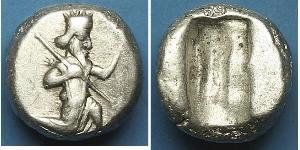
The most profound change occurred when the king standardized currency across all lands to ensure tax collection and trade uniformity. The Daric was introduced as a gold coin of substantial value used for large transactions or state tribute, while silver Shekels were designated for local commerce and taxes paid by citizens.
This standardization allowed wealth from distant provinces like Lydia to flow into the central treasury without losing purchasing power along the way. This financial innovation is still admired today; before Darius, many regions used their own weight systems that caused friction at borders, which led merchants often to carry large amounts of bullion with them.
Mints and Coin Production
The production centers were strategically located near silver deposits or commercial hubs. Important mints existed in Susa, Sardis, Babylon, and Phoenician cities along the Mediterranean coast. While some evidence suggests these sites acted more as refiners than large volume striking factories, the centralization of authority meant that a coin stamped by Darius at one location held value throughout the entire satrapy system.
The technology utilized was primarily repoussé and die-stamping rather than casting. This allowed for consistent designs across vast distances while minimizing waste during production. Artistic characteristics included motifs drawn from local nature, specifically bulls and lions which represented strength without depicting faces initially to avoid hubris or cultural sensitivity conflicts.
The use of Aramaic script alongside Phoenician letters indicates the administrative sophistication required to keep records in so many languages simultaneously. This artistic minimalism—depicting mythical beasts rather than human portraits for most Imperial coins—is a unique trait that distinguishes Achaemenid coinage from Greek or Lydian contemporaries.
Notable Coins
The Gold Daric remains one of the finest objects in ancient numismatics. Typically round with a sharp edge, these gold pieces bore the inscription "Darium daricum" and featured divine imagery such as bull-headed deities or lions representing royal power.
- The Silver Shekel: This coin served everyday transactions within the empire's economy due to its smaller value. The reverse side often showed simplified designs reflecting local artistic tastes of satrapies while maintaining front-side standardization for trade purposes.
In addition, early silver coins struck in Lydia prior to annexation by Persia were widely circulated and accepted within the empire initially before reforms standardized weight measures under central direction. These older pieces often show Phoenician influences on design with distinct symbols of commerce like anchors or ships representing maritime trade.
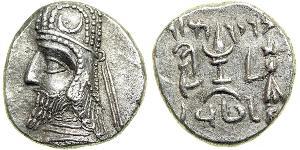
- The Bull-Headed Daric: This coin is particularly valued by collectors for its distinctive reverse iconography showing a stylized bull head facing left. The obverse displays the king's name in Aramaean script, establishing legitimacy without needing complex artwork or portraits that would date to later Hellenistic periods.
The historical importance of these coins lies not only in their material value but also as proof of imperial stability during times when other regions were fragmented. Finding an ancient Daric is akin holding a fragment of a unified world before modern borders even existed.
Cultural Legacy
Persian coinage reflects the empire's philosophy of unity through diversity, showing symbols that blended local religious icons with Zoroastrian influences without compromising existing cultures. The choice to depict bulls or lions rather than human faces highlights a cultural emphasis on natural power and divine authority over mortal representation.
Economic policies embedded in these coins ensured that tax burdens remained fair and predictable across borders, encouraging merchants from Greece and India alike to trade freely under imperial protection. This legacy of tolerance is visible in the way coin types varied slightly by region but adhered strictly to royal weight standards for gold content, maintaining trust even when political unrest threatened stability elsewhere.
For collectors
The Achaemenid era remains a cornerstone study area because it represents an ancient time of world-building where currency unified nations. Collectors are drawn here by rarity and historical significance; many silver issues survive in lower quantities compared to Greek bronze or copper coins, while gold examples represent high status artifacts often used for ceremonial gifts rather than daily commerce.
Avoiding technical catalog data focuses attention on the condition of surviving specimens and their provenance. A well-preserved Daric carries weight not just as metal but as a symbol of order in antiquity. The scarcity driven by ancient melting or hoarding during wartime creates investment potential for serious enthusiasts seeking pieces that tell stories from thousands of years ago.
In conclusion, the coinage produced under the Persians offers an educational window into how early economies functioned before modern banking systems emerged today. Whether examining a rough silver shekel bearing Phoenician script or studying a polished gold Daric with royal inscriptions in Aramaean characters, every object connects viewers to an era where commerce stretched across continents and power was measured not just by armies but also through the reliability of currency held between thumb and forefinger.