| View |
 Persia (-678 - 1935)

| Persia (-678 - 1935) | Link to Wikipedia |
Persia: History, Coinage and Collectibles
Welcome to the gallery of our oldest neighbor in West Asia. For collectors who value not just metal but history etched into bronze, silver, and gold, Iran offers a journey spanning five thousand years. Often referred to historically as Persia or Media, this region has been more than a map boundary; it was the heartbeat of trade between East and West for millennia.
To understand what these coins were worth in your pocket today requires stepping back into their ancient contexts where they facilitated commerce on the great Silk Road. This article explores how the land's geography shaped its economy, why specific empires produced gold standards that became global currency, and what art lovers see when viewing a Sassanid solidus.
Historical Background
The story of coinage in this region is tied to an ancient civilization. Even before the rise of Alexander or Darius I, the Zagros Mountains saw early trade settlements where silver was first measured and minted into currency standards that facilitated commerce across vast distances.
In antiquity, Iran's location on the Silk Road placed it at a critical crossroads connecting Mesopotamia to India. The Achaemenid Empire (c. 550 BC) unified this territory under Cyrus the Great. This was not merely political unification but economic integration; a single imperial standard of silver allowed taxes and wages from Babylon, Susa, or Persepolis to be paid uniformly across a vast empire.
The region later fell briefly under Macedonian rule before re-emerging as two major powers: the Parthian (Arsacid) Empire in the east-west axis facing Rome directly. Later, with the Sasanians and the subsequent Safavid dynasties following Islamic conquests, cultural synthesis flourished on these coins.
The geography of Iran provided natural resources essential for coinage production—specifically silver from ancient mines near Ray (modern Rey) in Tehran province. The stability of these empires meant that mints could operate with relative continuity over centuries, making the quality and consistency of their currency a key part of economic policy.
Currency and Coinage History
The evolution of money here followed the broader Mediterranean model but retained distinct national characteristics. During the Achaemenid period (6th–4th century BC), silver became the dominant currency for trade, with the weight standard derived from Greek Attic drachms. However, unlike Greece which favored a heavy gold coin known as the stater in certain periods of its history due to high content quality here, Persia standardized on large-scale silver production.
The Achaemenids introduced what would become one of the first true fiat currencies: coins that were minted not because their weight perfectly matched ancient Troy ounces but simply because they represented a value mandated by imperial decree. This innovation in standardization was revolutionary for its time, allowing tax collection and trade over long distances without needing to weigh silver bullion at every transaction.
Under the Seleucid successors (certain period between Parthian rule), some coinage suffered from significant debasement where kings reduced metal content by roughly 60% due to economic strain. This created a "mixed quality" era that offers complex numismatic puzzles for collectors today—distinguishing full-weight silver coins from the cheaper issues meant only for commoners.
The Parthians and Sasanians revived high-quality minting standards, producing gold Darics again with great skill before their empire was succeeded by Arab rule. Following the Islamic Conquest in 635 AD (or shortly after), coinage production shifted to Arabic script on reverse faces or bilingual inscriptions that mixed Pahlavi dialects and Greek language elements.
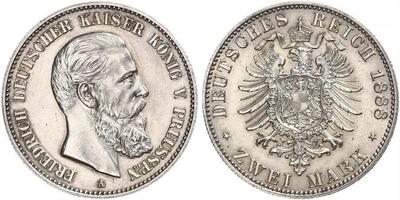
The Qajar dynasty (c. 1789–1925) introduced modernization efforts, shifting from pure gold/standard metal issues towards the "toman" silver units which circulated widely into the early 20th century. These pieces are crucial for collectors because they often show how industrial minting began to replace ancient hand-pressed methods in West Asia.
Mints and Coin Production
The location of mints was a political statement. Early Achaemenid kings established their centers in cities like Susa, which is now modern Shush in Khuzestan Province. This site produced coins that featured the King facing left—a style common to many West Asian neighbors—but with distinct Persian artistic flair including stylized floral motifs on reverse sides.
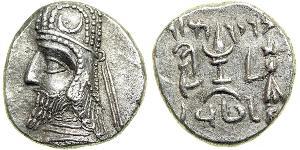
The Seleucid and Arsacid (Parthian) periods represent a fascinating numismatic transition where Hellenistic art styles merged with Iranian subject matter. Parthians often minted silver coins in cities like Nisa or Ctesiphon, sometimes copying Greek designs but placing Persian rulers facing left instead of the right Roman standard.
The Sassanids (Sasanian Empire) are considered a golden age for West Asian gold coinage production before Islam. Their mints were centralized and operated with strict artistic discipline to promote royal cults on these coins, such as depictions of Fire Altars or high-relief portraits emphasizing the ruler's divine authority.
The later Safavid era (16th century) utilized a mix of gold and silver that was heavily influenced by Islamic calligraphy traditions but still featured traditional iconography where permitted before stricter religious regulations changed coin designs entirely. For collectors interested in minting technology, the shift from hand-beaten planchets to mechanical presses became evident during the transition into modern times.
The Qajar era and Pahlavi dynasty introduced steam-powered machinery at major mints like Tehran and Isfahan, leading to higher quality silver issues that retained ancient Persian motifs—such as eagles or lions symbolizing sovereignty—but were manufactured with unprecedented speed for a state of the region.
Notable Coins
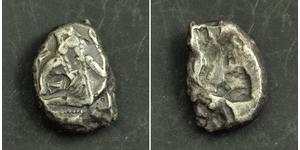
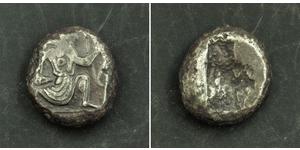
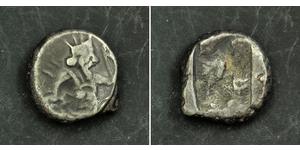
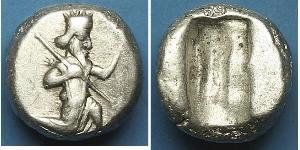
The Silver Stater (Achaemenid)
- Context: The primary currency used across the vast empire to collect taxes from conquered territories.
- Design Features: Heavy silver weight, usually 8 grams or more; reverse often showing a fire altar symbolizing worship. Obverse features King facing right (later left).
- Collectibility: High value for collectors due to rarity of high-grade specimens. The obverse lion and bull imagery is distinct.
This coin serves as a perfect introduction; they are the "stater" that circulated before gold became standard again in later centuries.
The Artaxerxes IV Coin (The Marduk Reverse)
- Context: Issued c. 325 BC to pay tribute or wages; the most famous for its unique imagery.
- Design Features: Obverse shows King on horseback facing left holding a spear, while reverse features a statue of Marduk (the Babylonian god) seated with raised arms—a rare depiction in Greek-influenced coinage outside Rome or Greece itself.
- Collectibility: This piece is one of the few coins that explicitly shows an Iranian King holding power over Eastern and Western gods simultaneously. It bridges cultures beautifully for any collection focusing on Hellenistic influences on East.
This coin remains a favorite among auction houses because it illustrates exactly how Persia bridged Greek artistic styles with their own cultural values during the Parthian period before Sasanians refined these further into pure gold standards again.
Cultural Legacy
The currency of this country was always an extension of its national identity. In Achaemenid art, coins celebrated kingship and divine protection using motifs like fire altars or lions that guarded the royal treasury—images meant to inspire respect for imperial power.
Persian numismatics show how they handled cultural change when Greek rulers conquered them in 330 BC. They did not simply abandon their symbols; instead, Parthians and Sasanians adopted Roman-style gold coins but swapped the Emperor's head (Augustus) with King Valerian or other Persian monarchs.
The shift from pictorial designs to calligraphic script in later Islamic dynasties marked a deep evolution where artistry moved into typography. This legacy is seen today as collectors often value these older silver pieces for their aesthetic design and the "beads" of decoration around the rim which mimic ancient Persian embroidery.
Coinage also reflects economic struggles; when trade routes were blocked or war broke out (as with Sassanids fighting Rome), debased silver issues appeared that served to finance military campaigns. These are often called "war money," and they carry historical weight regarding political instability, making them fascinating for historians of the region.
For Collectors
Coinage from Iran offers a rich educational opportunity for numismatists around the globe because it was central to human history. As with many ancient civilizations in West Asia, their coins were designed to travel and function as international currency during Roman or Parthian periods.
- Silver Content: High-grade pieces from the Achaemenid period offer significant investment value because they represent one of earliest examples of centralized trade standards on a massive scale in human history. These ancient silver coins have remained relatively consistent in content compared to gold issues.
- Historical Significance: For collectors who love storytelling, these pieces illustrate the transition from tribal chiefdoms (Median) to Empire-building kingship under Cyrus or Darius I. Each coin was essentially a portable piece of imperial propaganda stamped with royal authority.
If you seek examples that showcase how ancient art blended Greek sculpture styles into Persian cultural icons, this region is unmatched in the world market for such fusion designs during the Arsacid period. The transition from Achaemenid heavy silver stater to Sasanian gold Daric and later to Islamic debased issues provides a timeline of economic health or decline that rivals any other ancient collection on your bookshelf.