| View |
| preceded by | ||||
|
||||
|
|||||||||||
 Portuguese India (1510-1961)
|
|||||||||||


| succeeded by | ||||
|

| Portuguese India (1510-1961) | Link to Wikipedia |
Portuguese India: History, Coinage and Collectibles
Historical Background
The story of Portuguese India is not merely a tale of conquest, but one of maritime diplomacy and economic integration that began in 1498 when Vasco da Gama first anchored at Calicut. For the next two centuries, Portugal operated through what was known as the Estado da Índia, an archipelago of ports stretching from Hormuz to Malacca rather than a contiguous landmass comparable to modern nation-states. The capital eventually settled in Goa following 1530s consolidation efforts under King Dom Manuel I. This strategic position allowed Lisbon and its trading partners direct access to the spices that drove the global economy, yet it required navigating complex relationships with Sultanates along the Malabar Coast who resisted conversion by force while accepting Portuguese goods.
The culture of this empire was defined by a distinct fusion of Catholic Europe and Asian monsoons. While Lisbon remained the administrative hub, local traditions deeply influenced daily life within these colonies. Religious orders such as the Jesuits played pivotal roles in education and governance, spreading Baroque aesthetics while adapting to Hindu temples that often served dual purposes during the colonial period. This cultural blending was not always peaceful; piracy by European rivals like England or Holland constantly threatened trade fleets, yet through diplomatic maneuvering involving treaties signed with Indian rulers, Portugal maintained a monopoly on direct sea routes from Europe for nearly three hundred years.
Currency and Coinage History
In the beginning of this era, Portuguese traders arriving in India did not bring their own currency to pay for pepper or cloves immediately. Instead, they utilized local silver rupees already circulating among Indian merchants due to a convenient weight standard that was easily transported on ships compared to heavy gold coins from Europe.
The evolution toward official coinage involved significant monetary reforms as trade volumes expanded. Initially, Castilian and Portuguese real de oito circulated widely before being demonetized or absorbed into the local economy during later centuries of expansion under Philip I and John III. The primary innovation was not necessarily new technology but a shift in governance over metal standards that allowed for centralized minting control.
By the late 16th century, distinct coinage began to emerge specifically authorized by kings such as Dom Sebastian or Dom Dinis for Indian trade routes. These coins served both fiscal purposes at home and commercial roles abroad. A critical development was distinguishing between currency intended solely for remittances back to Portugal versus that required locally within the archipelago. While gold pieces from Lisbon mint were sent directly, silver standards were often produced with local artistic flourishes or weight adjustments to meet regional expectations of Indian merchants in Gujarat.
Mints and Coin Production
The majority of coinage associated with this historical state was actually struck at the Royal Mint in Lisbon. The logistical challenge of transporting bullion between Europe and Asia without significant spoilage meant that heavy gold cruzados were often preferred, yet silver remained essential for daily commerce.
Frequently due to wartime instability or lack of infrastructure within the colony itself during its early phases, a true local mint at Goa took decades to mature. Production centers shifted sporadically between Lisbon and smaller coastal strongholds like Diu under specific military permissions where die cuts were sometimes adapted locally. This meant that many coins attributed to Portuguese India possess legends printed in Europe but with slight stylistic variations or metal content differences due to supply constraints from the East.
The artistic tradition was maintained through skilled artisans who traveled along shipping routes, ensuring consistency across vast distances despite occasional sieges or shipwrecks. These mints operated under strict secrecy regarding die cuts and weights, preventing rival nations such as Spain's Habsburg branch in Sicily or Venice from undercutting trade prices.
Notable Coins
- The Gold Cruzado: Perhaps the most iconic piece for collectors. Originally struck to represent a specific weight of gold, these coins bear the double-headed eagle symbol often associated with Imperial authority and legends referencing God or Queen regnant. Historical context places them during periods where royal stability was challenged by civil war in Portugal itself.
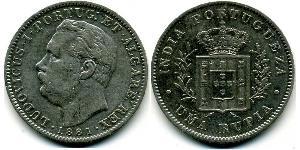
- Silver Moedas de Goa: These were essential trade mediums for merchants exchanging spices with Southeast Asian nations before the arrival of British silver. Their design often featured a cross on one side to signify Catholic dominion and indigenous motifs on reverses, sometimes showing crescent moons or castles that blended European heraldry with local architectural styles.
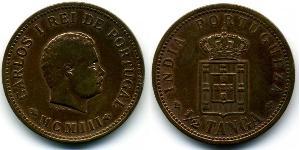
- Copper Reais: Smaller denomination pieces produced in larger quantities but still significant for historical value. These often depicted effigies of the reigning monarchs such as Dom João II who sought to standardize trade across multiple ports while displaying coats of arms that denoted Portuguese royal lineage.
Cultural Legacy
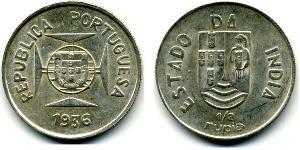
The coins minted and circulated in this region are more than monetary tokens; they serve as artifacts reflecting the empire's attempt to project power through symbols. The cross atop a tower or shield on early gold pieces represented the protection of faith over commerce, while later issues incorporated heraldic elements that acknowledged regional alliances with local chieftains.
Innovation in die cutting allowed for unique artistic representations compared to European standards alone; the depiction of ships often referenced specific vessels involved in famous voyages around 1520. The use of materials like brass or gold-plated base metals signaled a shift toward lighter currency suited for Asian markets rather than heavy bullion preferred by northern Europe.
The transition away from direct Portuguese control eventually saw these coins melt down for silver content to pay new debts during wartime disruptions, preserving only the most well-made specimens in museums today. These pieces document not just trade but a specific moment where two distinct worlds—Europe and Asia—interacted through metal standards that survived centuries of oceanic transport.
For Collectors
Townsend collectors or those with an interest in colonial history will find great value in understanding the rarity associated with Portuguese India coinage. Because they were primarily used for trade rather than hoarding by nobility, survival rates vary significantly compared to European gold sovereigns struck at Lisbon.
Condition plays a vital role; these coins often show wear patterns from daily commercial use alongside distinct marks left during sieges or periods of local unrest where mints suffered interruptions. The historical significance remains potent because every coin represents proof that trade routes were open between East and West under Portuguese authority during the early age of global commerce.
Gathering this collection offers a chance to hold tangible links to the great voyages that connected continents long before modern maps existed. Their scarcity, combined with unique designs developed for specific regional demands rather than purely decorative royal portraiture used back home, makes these pieces highly sought after in serious auctions and private markets alike.