| View |
| preceded by | |
 India
India
|
||||||||||||||||||
|


| succeeded by |
| India | Link to Wikipedia |
India: History, Coinage and Collectibles
Historical Background
The story of India begins in antiquity with the vast urban settlements known from the Indus Valley civilization that flourished before recorded history established its modern chronology. While early trade relied heavily on barter systems involving cowries and precious metals, the economic infrastructure began to stabilize under successive dynasties who sought to standardize currency for taxation and commerce. The Mauryan Empire represents a pivotal moment in this evolution, establishing a centralized administration that required coinage to support its vast bureaucracy across diverse regions of the subcontinent. Following the empire’s collapse, local kingdoms such as the Kushans continued minting coins while integrating influences from Central Asia and Rome into their metal currency production.
The region maintained an open trade policy even during periods of political fragmentation between successive Indian dynasties until external empires began intervening in late medieval times. The Satavahanas, Gupta Empire and later regional powers like the Cholas all contributed to a continuous flow of bullion through local mints that facilitated commerce across land routes connecting Europe to China. This economic gravity made India a sink for foreign silver and gold coinage before these metals were re-minted as domestic currency by native rulers who prioritized stability in trade relations over strict adherence to dynastic symbols alone.
Cultural developments also shaped monetary practices through the spread of new administrative centers that required standardized accounting methods. The transition from punch-marked copper coins to cast and then milled silver rupees reflected growing sophistication in minting technology while keeping ancient weight standards recognizable across generations. Even when political power shifted, local populations often retained familiarity with traditional coinage shapes and sizes which eased the integration of new rulers into existing commercial networks without disrupting daily transactions.
Currency and Coinage History
The evolution of money in this region follows a unique trajectory that differs from other parts of the world due to its long interaction with global trade networks. Early currency took on shapes influenced by Greek coin designs but retained indigenous scriptural legends representing local rulers or divine authority rather than solely royal portraits which became more common later during colonial periods under British administration after East India Company takeover.
Mughal rule introduced major reforms that solidified the concept of a standard silver rupee based on weight standards equivalent to specific fractions defined in terms called tumans. This unit remained stable for centuries allowing foreign merchants dealing with Asian markets worldwide recognize its value without needing translation or conversion constantly across multiple border regions adjacent to India’s borders.
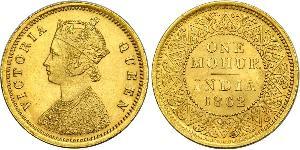
Later reforms attempted to align the currency more closely with international trade standards by introducing decimalization which reduced confusion among British administrators and local populations accustomed to fractional units called paisa representing smaller denominations used in retail markets. These transitions occurred gradually allowing existing bullion holdings of gold mohurs or silver rupees circulate alongside new coins printed on paper eventually replacing heavy metal currency for everyday commerce while keeping reserve currencies stored safely within the treasury vaults.
Mints and Coin Production
Coin production in India took place across many major centers including Taxila, Lahore, Agra and Calcutta depending on which empire controlled that specific territory at any given point during history. These cities housed skilled artisans capable of hand engraving intricate details onto dies before mass coining became industrialized using steam powered machines under British rule later.
- Taxila: Known for early punch mark coins that utilized metal stamps to create simple geometric or animal motifs on copper blanks intended primarily as tribute pieces rather than everyday change used in modern sense.
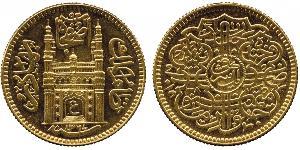
- Agra and Delhi: Major hubs under Mughal administration where gold mohurs featuring elaborate calligraphy depicting Persian scripts alongside Quranic verses were produced to signify divine protection for state power.
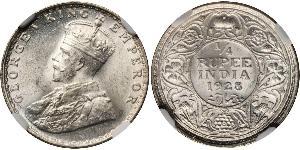
- Bombay Calcutta Mint: Established during colonial era this facility combined British industrial technology with local artistic sensibilities creating coins that retained traditional shapes while updating metal compositions based on global availability of precious metals like silver and gold reserves managed by royal treasuries at time.
The transition from hand hammered sheets to minted rounds improved precision in weight distribution which allowed merchants to verify value more easily when paying taxes or purchasing goods across regional boundaries without needing constant assay for purity levels of metal content hidden inside worn edges due to circulation over years. These artistic characteristics distinguish the country’s coinage significantly even after political regimes changed.
Notable Coins
- Ancient Punch-Marked Series: Historical context indicates these were early proofs of state authority during Indus Valley period and later centuries. Design features include symbols representing trade or religious offerings on reverse sides which served as cultural markers rather than royal portraits. Collectors value them for their rarity among pre-colonial finds showing ancient commerce systems.
- Mughal Gold Mohurs: Issued under Akbar and successors, these coins feature high artistry with calligraphy representing imperial name or divine protection motifs on reverse side facing up while obverse showed simple geometric border. They remain among most significant pieces in any collection of Indian coinage due to cultural symbolism.
- Late Colonial Transition Pieces: Issued during 1947 series showing shift from sovereignty transfer without changing monetary system drastically, these reflect peaceful transition and national identity formation on one side featuring Ashoka Chakra while maintaining value continuity familiar across all levels of population who used currency daily.
Historical context for each coin highlights the political stability or instability prevailing at minting time which influenced whether gold mohur production ceased due to silver price inflation during periods leading into independence. Collectors focus on pieces showing artistic integrity and historical importance rather than market values fluctuating year by year in auction houses.
Cultural Legacy
The coinage of India reflects its culture through design elements that blend Hindu, Buddhist and Islamic influences visible even before colonial intervention occurred during medieval periods. Calligraphy used on reverse sides represented divine authority rather than political dominance alone which created tolerance for multiple religious communities to coexist peacefully under imperial rule without fear from state oppression against specific beliefs systems.
- Symbols: Peacocks, lions and lotus flowers appearing in decorative borders represent natural world observed closely by poets who documented flora fauna used as motifs before industrialization made nature disappear quickly. These symbols endure today on national emblems derived from ancient coin designs found across museums globally.
- Languages:
Multiple scripts including Kufic Arabic alongside Sanskrit inscriptions demonstrated linguistic unity despite political fragmentation among regional kingdoms which minted separate series using same weight standards allowing cross border trade without friction caused by language barriers or monetary differences between trading partners.
For collectors
This nation’s coinage offers deep insight into ancient trade networks that spanned entire continents connecting East Asia to Mediterranean coastlines where Roman silver coins found within Indian archaeological sites provide physical proof of extensive commerce reaching as far away across ocean voyages. It remains vital for collectors seeking historical significance rather than speculative value investment because every piece tells story about empires rising and falling over centuries which shaped modern geopolitical boundaries today.
The variety spans from ancient punch marked copper pieces to colonial era silver rupees minted under British administration, offering opportunities for those interested in completing comprehensive sets while understanding the narrative behind each denomination’s design choices made by master engravers working closely with regional administrators who managed state finances carefully across vast territories. Auction buyers benefit most when acquiring items that come directly from estate sales or hoards where provenance is documented clearly to ensure authenticity beyond doubt without reliance solely on market values that change frequently based upon trends among hobbyist communities worldwide seeking these specific historical treasures.